Reinterpreting the visual language of traditional minhwa
Delicate color achieved through hide glue and mineral pigments, fused with a contemporary compositional sensibility
Flowers, trees and birds serve as natural motifs expressing the cycle of life and harmony
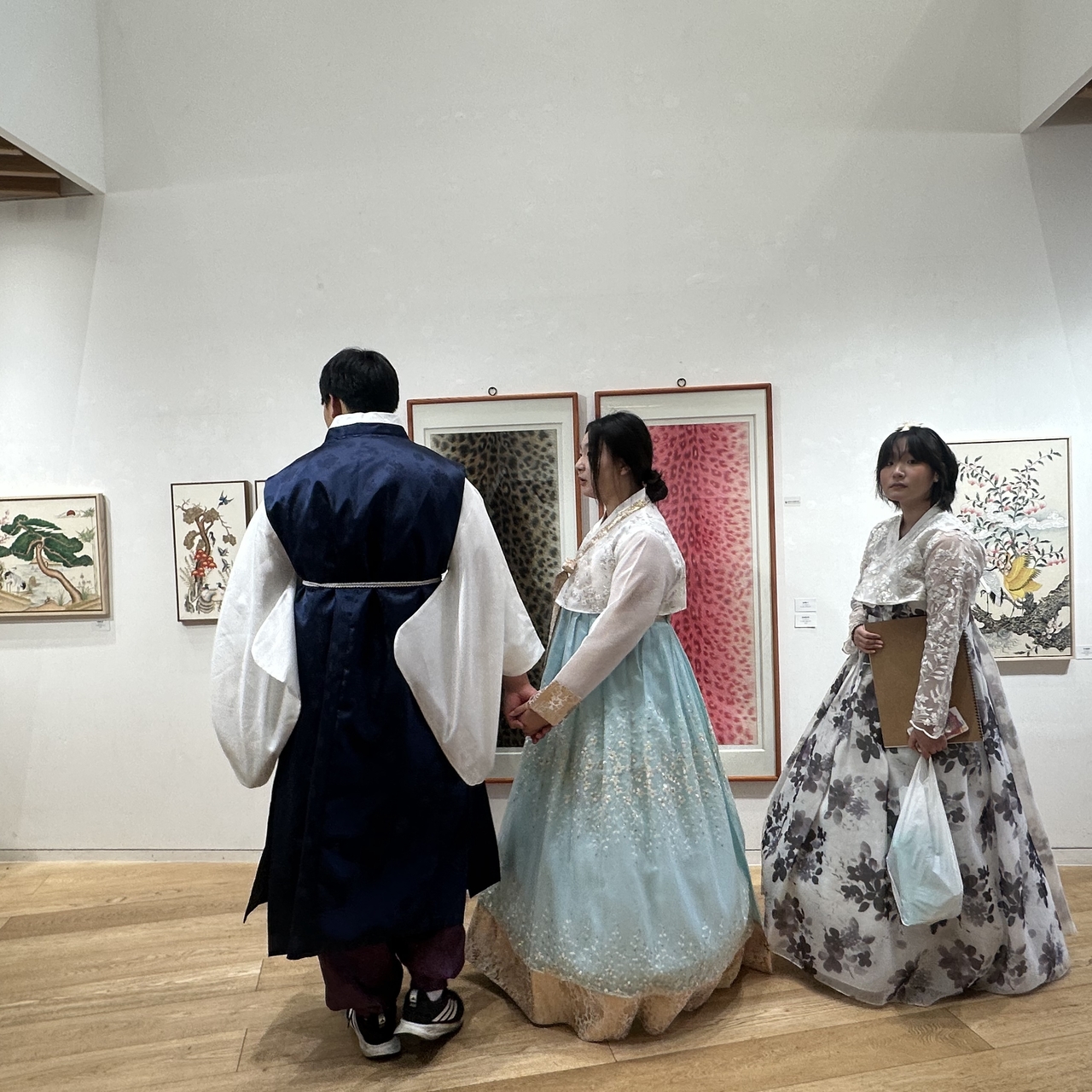
An exhibition opening this week brings together the formal beauty of traditional Korean folk painting and a contemporary sensibility to explore the relationship between humanity and the natural world.
Gallery Eun announced Friday that artist Kim Gyu-mi, who has built a distinctive painting practice rooted in traditional minhwa, will meet audiences through her first solo exhibition. The show moves across the boundary between tradition and modernity, rendering the relationship between nature and humanity in the language of contemporary painting.
Kim has long been drawn to the symbolic richness and formal beauty particular to minhwa. Rather than simply reproducing the subjects and compositions of traditional painting, she has pursued new artistic possibilities by dismantling and reconstructing its existing visual language.
Particularly notable is her use of traditional materials — hide glue and mineral pigments — to achieve the deep, nuanced color and delicate expression distinctive to Korean painting, while incorporating bold compositional choices and a modern formal sensibility.
The process of making each work reflects the aesthetics of traditional minhwa. As autumn leaves deepen gradually in color, Kim builds up layer upon layer of pigment in a repeated process of application that lends the picture surface both depth and richness of tone. For Kim, this practice goes beyond mere painterly technique — it is a process of contemplation and discipline through which time and intention accumulate.
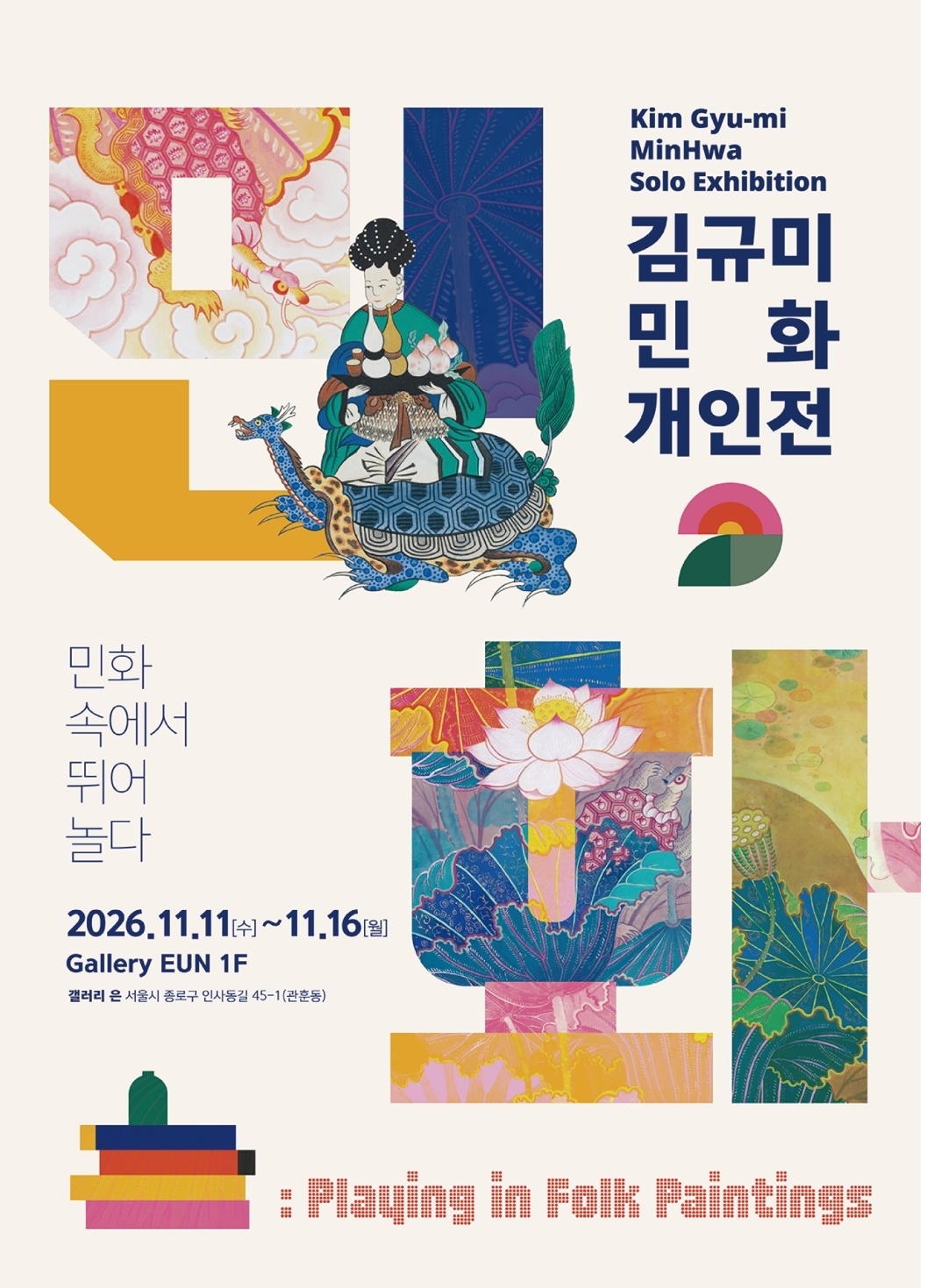
The primary subjects of Kim's works are the varied living things found in nature — flowers, trees, birds and fruit. Through these motifs, she expresses not only the beauty and abundance of life but also the meaning of nature's cycles and transformations. Rather than treating nature as something merely to be reproduced or used as decoration, she brings to the canvas a philosophical view of humanity and nature as organically interconnected.
Her perspective on tradition is equally central to the exhibition. Kim respects the aesthetic sensibilities of the past but refuses to accept them as fixed forms, instead treating them as an artistic foundation that can be continually expanded toward the present and the future.
realbighead@heraldcorp.com