Five focus areas: living costs, childcare, asset-building, jobs and health
Basic deduction income threshold to be eased; earned income tax credit expanded
TF to operate intensively through December; new measures to be identified
The government is moving to identify tax, fiscal and financial support measures aimed at reducing living costs for salaried workers and boosting their real disposable income. It plans to review existing support policies and develop new initiatives across five priority areas: living cost relief, childcare and elder care, asset-building, job stability and health management.
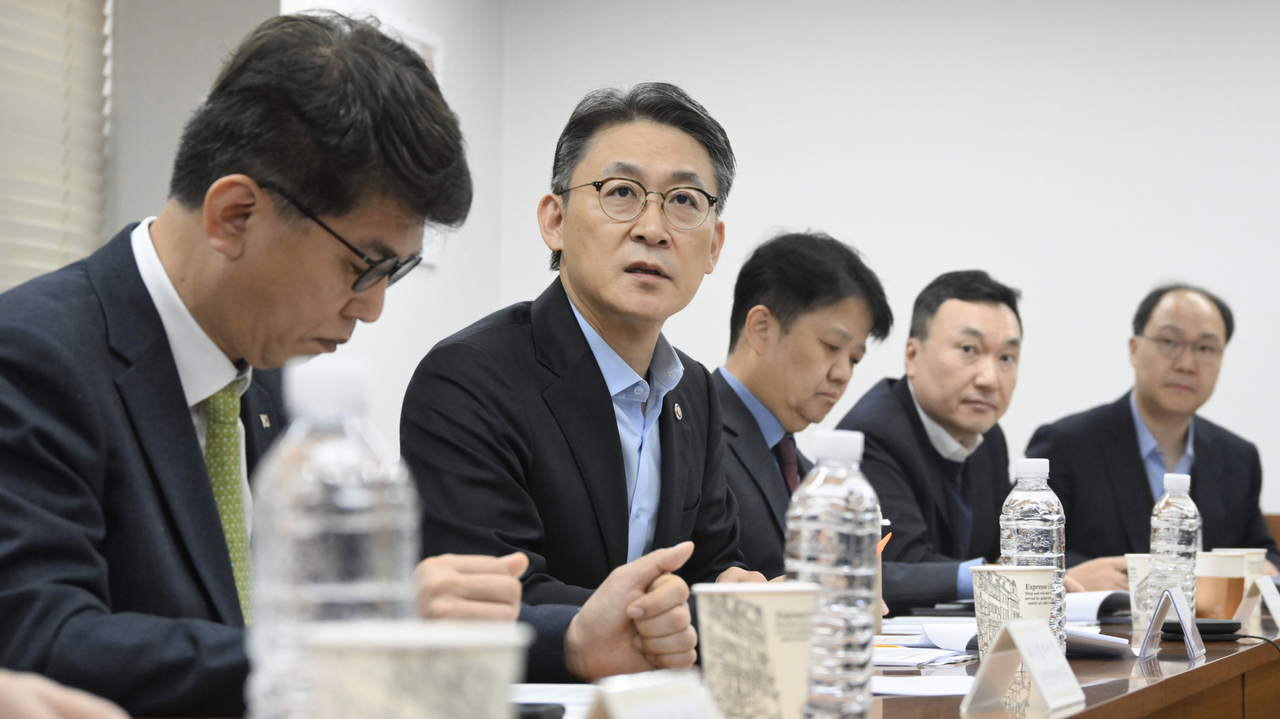
The Ministry of Economy and Finance said it held the kickoff meeting of the cross-ministry "Salary Defense" task force on Friday, chaired by First Vice Minister Kwon Dae-young. Attendees included Lee Dong-jin, presidential secretary for growth and the economy, along with officials from the Ministry of Economy and Finance, the Ministry of Planning and Budget, the Ministry of Health and Welfare, the Ministry of Employment and Labor and the Financial Services Commission.
The TF follows up on a senior secretaries' meeting chaired by Presidential Chief of Staff Lim Gwang-hyeon on Monday. The Salary Defense initiative traces its origins to a special ad hoc committee formed under the Democratic Party of Korea in December 2024, when President Lee Jae Myung was party leader and Lim was a Democratic Party lawmaker who led the effort. The organization had been set up to plan and develop policies for salaried workers; it is now being revived at the level of the presidential secretariat. Government ministries have also formed their own separate TF to identify new measures and work out detailed implementation plans.
Friday's meeting covered worker-support measures included in the 2026 tax code revision bill and the 2027 budget proposal. The tax bill would ease the income threshold for the basic deduction for spouses and dependents from 1 million won ($748) to 3 million won, and raise the monthly rent ceiling eligible for the rent tax credit from 10 million won to 12 million won. The earned income tax credit would also be expanded: the income ceiling for dual-income households would rise from 44 million won to 52 million won, the maximum benefit would increase from 3.3 million won to 3.6 million won, and the income band at which the maximum benefit is maintained would widen from the 8 million–17 million won range to the 8 million–18 million won range.
The 2027 budget proposal includes a plan to raise the cashback rate on the "Modu Card" transit card by 30 percentage points during off-peak commuting hours, and to fully cover tuition for 60,000 incoming students at regional national universities. The establishment of the Child Independence Fund is also included.
"The measures in the 2026 tax revision bill and the 2027 budget proposal are directly tied to workers' livelihoods next year," Kwon said. "We will respect the National Assembly's deliberations, work closely with the ruling and opposition parties, and move swiftly to roll out measures that workers can feel on the ground as soon as they pass."
Separately from reviewing existing measures, the TF will also identify new support initiatives. Friday's meeting discussed ministry-level proposals to cut workers' living costs and raise real disposable income, taking into account social changes and the growing burden of living expenses and caregiving. The measures discussed will be refined through further inter-ministry consultations.
The TF is organized into four working groups: one reviewing existing support measures, and three covering tax, fiscal and financial matters respectively. Each group's lead ministry will monitor the implementation of current policies, identify and review new initiatives, and report back to the TF. A director-general-level working body, chaired by the Ministry of Economy and Finance's director general for innovation and growth, will also operate to facilitate pre-consultations and resolve points of contention between ministries.
"We will work in close coordination with the Salary Defense TF within the presidential secretariat," Kwon said. "We plan to run the cross-ministry Salary Defense TF intensively over the next two months — November and December — to actively identify and advance policy measures that workers can feel in their daily lives."
y2k@heraldcorp.com