Up to 12 doses permitted for personal carry-in with valid foreign prescription; overseas direct purchases and controlled substances remain banned
Authorities warn of NAION risk, urge patients to consult doctors before stopping medication
Post-prescription cases of eye and gallbladder conditions reported domestically; careful medication management stressed
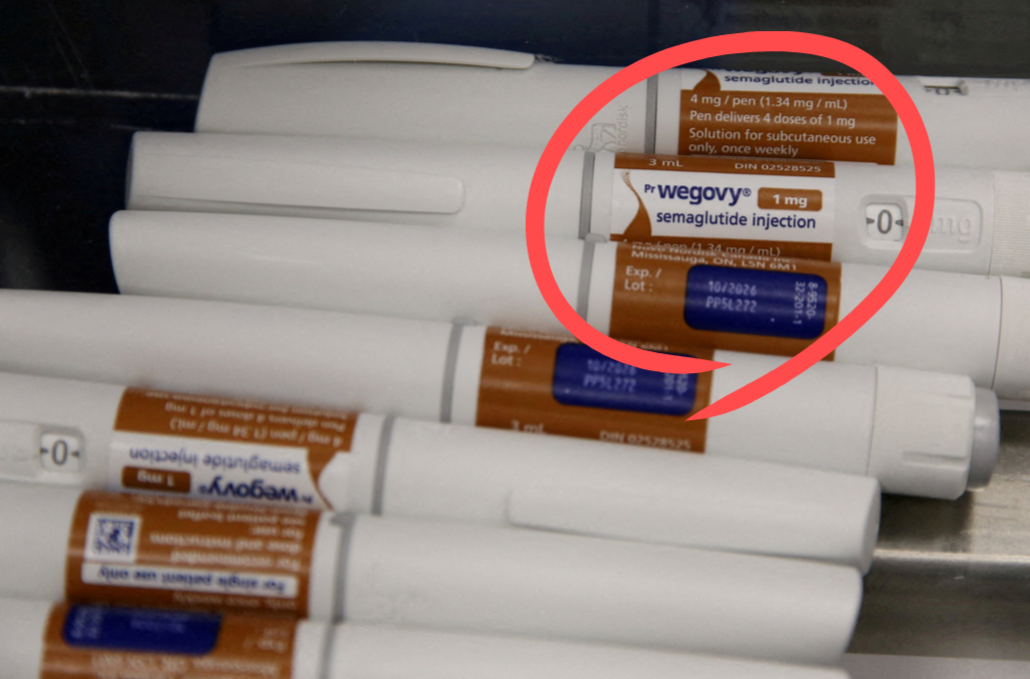
Travelers with valid foreign prescriptions can now bring up to a three-month supply of GLP-1 obesity drugs — including Wegovy and Mounjaro — into South Korea.
However, health authorities have issued a drug safety letter warning of potential eye disease risks, including vision loss, and domestic cases of related conditions following prescriptions have been reported, making careful medication management essential.
The Ministry of Food and Drug Safety and the Korea Customs Service began allowing personal carry-in of medications for self-treatment on Thursday. Drugs legally prescribed and purchased through a recognized medical system in the country of origin may be brought in without customs clearance delays, up to a total of six vials or a three-month supply as defined by the dosage instructions.
The ministry said that for GLP-1 obesity drugs administered once a week, up to 12 doses — equivalent to a three-month supply — may be brought in. The measure applies only to medications carried in person by travelers; overseas direct purchases via international mail or courier services, as well as the ban on importing narcotics and psychotropic substances, remain in place.
While customs procedures have been simplified, the possibility of serious adverse reactions associated with this class of drugs has been raised, making safe medication management all the more important.
On Wednesday, the ministry distributed a drug safety letter to domestic medical professionals and patients after overseas safety data indicated that GLP-1 drugs — including semaglutide, tirzepatide and liraglutide — may increase the risk of non-arteritic anterior ischemic optic neuropathy, or NAION.
NAION is a condition in which reduced blood flow to the optic nerve can cause sudden, severe vision loss. The ministry plans to ask domestic pharmaceutical companies supplying the drugs to submit documentation for label changes, with a view to incorporating the risk into prescribing precautions.
The ministry also recommended that medical professionals discontinue the drugs and seek immediate consultation if NAION is suspected, and advised patients to consult their doctor right away if related symptoms appear rather than stopping medication on their own.
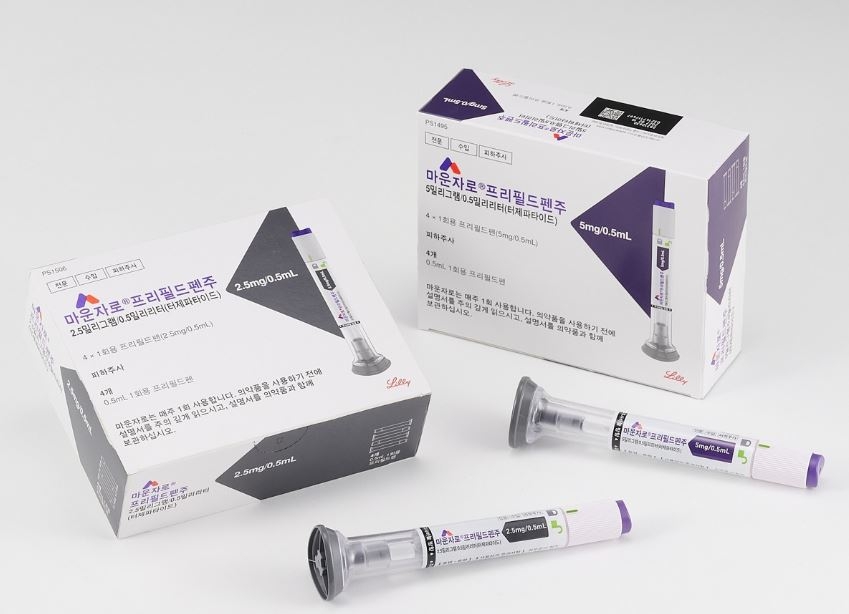
Domestic cases of patients seeking treatment for eye, digestive and metabolic conditions after being prescribed injectable obesity drugs have been consistently recorded in South Korea.
According to data submitted to Democratic Party of Korea lawmaker Nam In-soon of the National Assembly's Health and Welfare Committee by the Health Insurance Review and Assessment Service, a total of 104 patients — 67 prescribed Wegovy and 37 prescribed Mounjaro — were treated for NAION after receiving prescriptions for the drugs (Wegovy from October 2024 to August 2026; Mounjaro from August 2025 to August 2026). During the same period, 3,992 patients — 2,460 on Wegovy and 1,532 on Mounjaro — were treated for diabetic retinopathy.
A total of 9,476 patients were treated for related conditions including gallstones and acute pancreatitis. The breakdown covers gallstones at 5,973 cases, cholecystitis at 1,393, acute pancreatitis at 1,264, acute kidney failure at 511 and hypoglycemia at 335, with 378 of those patients passing through emergency rooms. The figures represent a simple tally of medical visits following prescriptions and do not establish a direct causal link between the drugs and the conditions.
A total of 2,705 adverse event reports — 1,444 for Wegovy and 1,261 for Mounjaro — were officially filed with the ministry from the time of market launch through June this year. Of the 995,431 drug utilization review warning alerts triggered during Wegovy prescriptions between October 2024 and June this year, 97.3 percent — or 968,399 cases — resulted in no change to the prescription.
Medications brought in from abroad are particularly concerning because their administration history is not registered in the domestic drug utilization review system, making it difficult for local medical professionals to check for duplicate prescriptions. Experts advise patients to accurately inform their doctors of their medical history and current medications, and to seek immediate medical attention if warning signs such as vision changes or severe abdominal pain appear during treatment.
silverpaper@heraldcorp.com