National Institute of Environmental Research establishes two KS standards for borehole-based hydrogeological characterization of deep geological environments
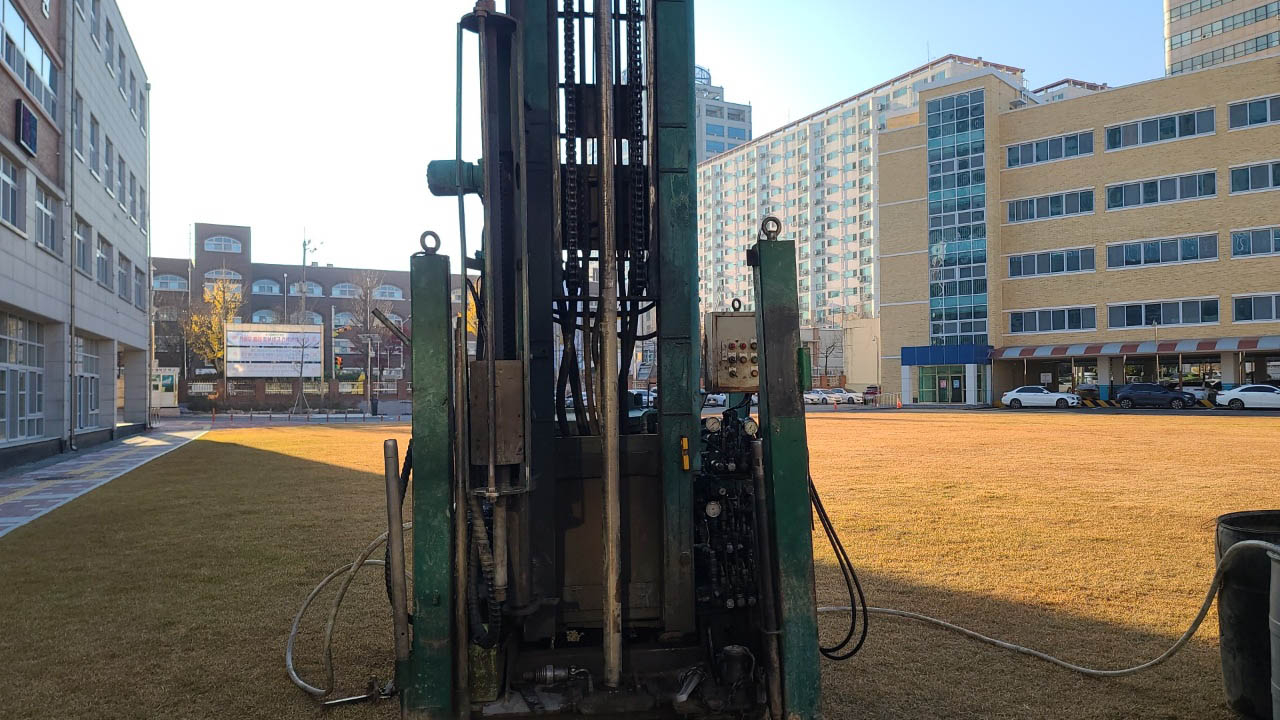
The National Institute of Environmental Research, an agency under the Ministry of Climate, Environment and Energy, announced Friday that it will establish and promulgate two national standards (KS) governing hydrogeological characterization procedures for investigating deep groundwater conditions through boreholes.
The move addresses a long-standing gap: as underground land use has expanded to include below-ground research facilities, radioactive waste disposal sites, oil stockpile bases and carbon dioxide geological storage sites, no adequate national standards existed for deep groundwater investigation.
Surface surveys alone are insufficient to fully understand deep geological environments, making depth-specific precision investigations using boreholes necessary.
The Korea Radioactive Waste Agency (KORAD), the designated standards development partner for the groundwater sector, drafted the technical specifications covering the basic principles and procedures to be followed. A groundwater expert committee operated by the National Institute of Environmental Research then reviewed and refined the drafts.
The first standard, titled "Overview," covers the full hydrogeological characterization procedure for installing and investigating boreholes to identify characteristics related to groundwater flow in deep geological environments. It sets out the key content for each investigation stage, general requirements, major testing and measurement items, and quality control provisions to ensure consistency and reliability throughout the process.
The second standard, "Borehole Design," specifies the detailed technical criteria needed at the borehole design stage of the hydrogeological characterization procedure. It presents design concepts, considerations and procedures to enable the design of boreholes suited to specific investigation objectives.
The new national standards are expected to support the systematic collection and processing of deep geological and groundwater data needed for site selection and safety assessments of underground facilities. They are also expected to strengthen the investigation and evaluation capabilities of industry stakeholders — including facility designers and contractors — and reinforce the scientific foundation for the safe use of deep underground space.
The institute plans to build on the two newly established standards by developing additional technical criteria covering borehole installation, validity assessment and management, with the goal of creating a series of consecutive standards for borehole-based hydrogeological characterization of deep geological environments.
The new national standards are publicly accessible through the e-Nara Standards and Certification System.
Park Jung-min, head of the institute's Environmental Resources Research Division, said the new standards "lay the groundwork for improving the reliability of deep groundwater investigations and ultimately contributing to public safety," adding that the institute would continue to support the development of follow-up standards.
thlee@heraldcorp.com