Inaugurated Thursday, the center deploys 13 task units on a tiered standby system; mobile brine sprayers doubled to 20 units, road heating cables extended at 13 additional sites
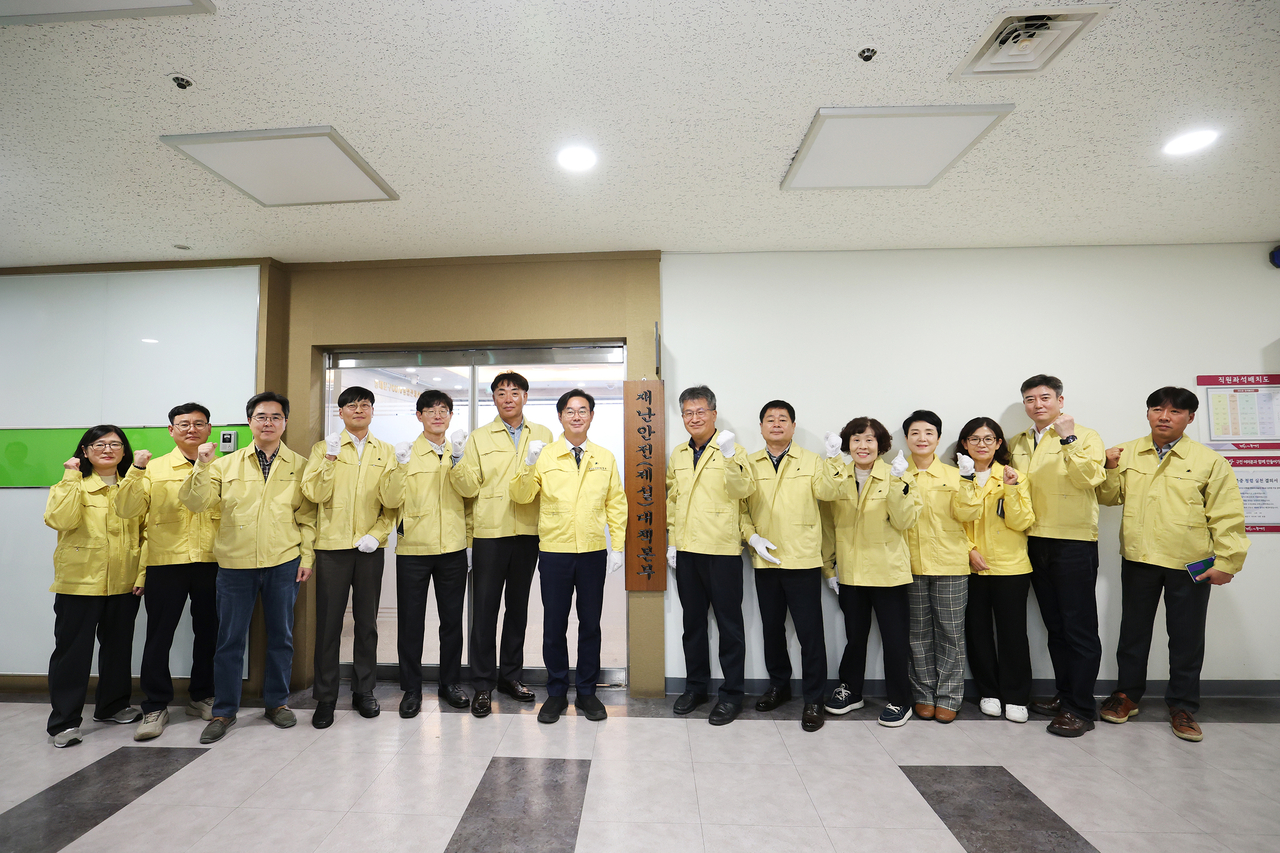
Seoul's Dongdaemun-gu opened its Disaster (Snow Removal) Safety Countermeasures Center on Thursday in preparation for heavy snowfall and road icing this winter.
The center will monitor snowfall forecasts and road conditions to deploy snow-removal personnel and equipment, and coordinate facility repairs and resident support when damage occurs.
The center operates with 13 task units — the same scale as last year. A general operations unit collects weather data and field reports to coordinate responses, while a facility recovery unit handles repairs to roads and other damaged infrastructure. A livelihood support unit and a medical and quarantine unit assist residents with daily needs and public health matters. An emergency communications unit maintains field communications, and a disaster public affairs unit keeps residents informed of conditions and safety guidance.
During the winter response period — Nov. 15 through March 15 next year — the center will run a tiered emergency standby system calibrated to snowfall forecasts and projected accumulation. When snow is forecast, the center will assess which sections require clearing and what equipment to deploy. Once snow falls, it will coordinate each task unit to carry out removal work and resident guidance simultaneously.
A key change this year is an expansion of mobile equipment for hard-to-clear sections. The district is doubling its fleet of rental mobile brine sprayers from 10 units last year to 20 this year. The sprayers will be moved to locations where installing heating cables is impractical or where vehicle traffic restricts conventional snow-removal work, applying saltwater solution in the early stages of snowfall to reduce ice formation.
This year, the district added road heating cables at 13 locations totaling 927 meters, covering steep slopes, chronic icing zones and areas near schools. The total heated road network now spans 46 sections covering 4,562 meters. The center plans to divide oversight between heated road sections and areas requiring mobile equipment, tailoring snow-removal operations to local road conditions.
"When snow falls or roads ice over, residents' mobility and safety are directly affected, so it is critical to prepare from the forecast stage and respond quickly," Dongdaemun-gu District Mayor Choi Dong-min said. "We will ensure each task unit under the center moves at the right time so that residents can use the roads safely throughout winter."
seouldream01@heraldcorp.com