China's Foreign Ministry tells Washington to stop seeking pretexts for a technology blockade
China has demanded that the United States stop trying to block Chinese advances in science and technology.
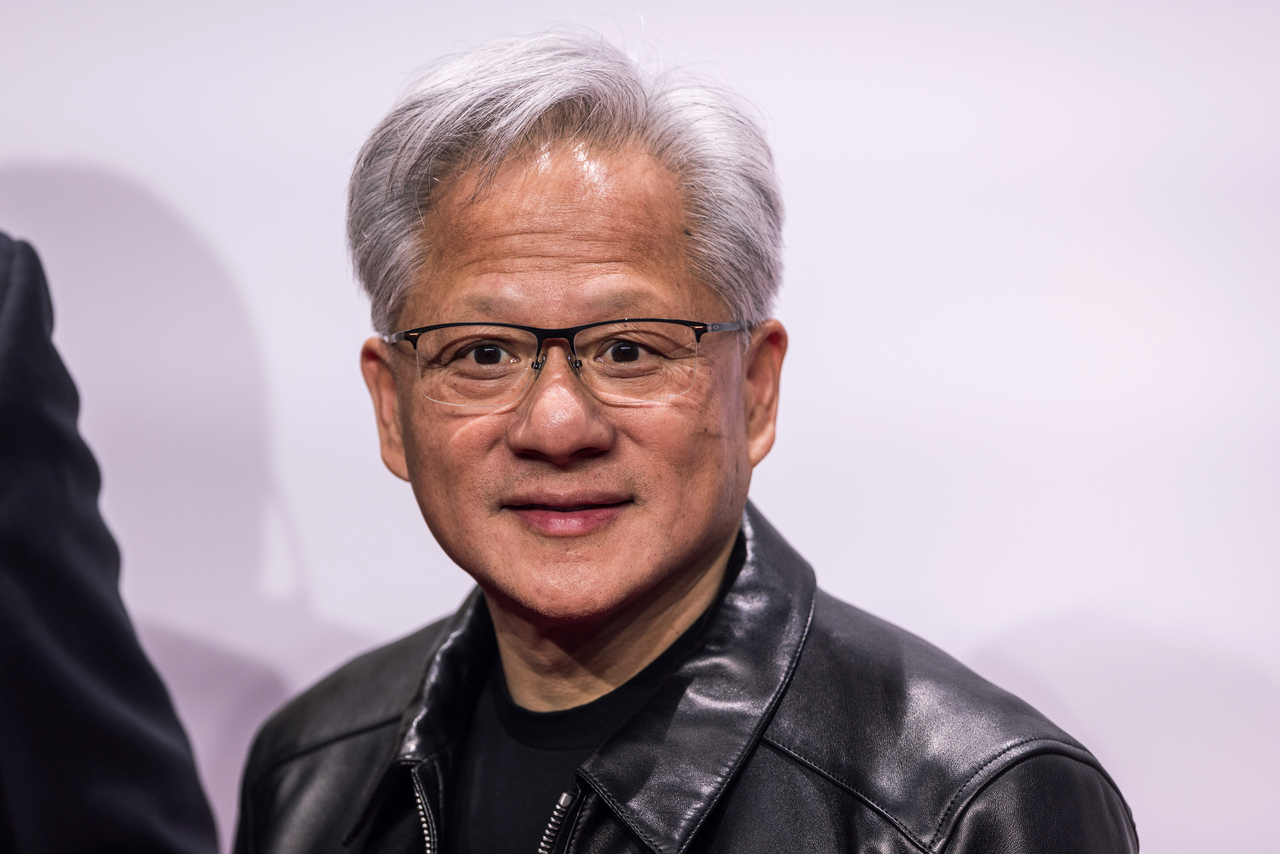
At a briefing Thursday, Chinese Foreign Ministry spokesperson Mao Ning was asked how China would respond if issues surrounding Nvidia CEO Jensen Huang led to further US restrictions on high-tech exports to China ahead of a bilateral summit. "China's scientific and technological progress is the result of independent innovation and open cooperation," Mao said. "The United States should stop fabricating so-called 'spy' narratives to seek pretexts for imposing a science and technology blockade."
Mao added that the two countries were maintaining close communication regarding exchanges between their leaders. "We are willing to work with the United States to properly implement the important agreements reached by the two heads of state and to advance the building of a constructive China-US strategic stability relationship based on mutual respect, fairness and equality," the spokesperson said.
China's Foreign Ministry has flatly denied allegations surrounding Huang, dismissing them as slander, after a spy theory linking him to China gained attention following his admission of an extramarital affair Sunday (local time).
Alice Huang — known in Chinese as Huang Le — reported to be Huang's affair partner, has presented herself as an executive at Megaspeed International, a Singapore-based cloud computing company. US intelligence agencies, however, are believed to regard her as a spy for China's Ministry of State Security.
Megaspeed is reported to have purchased at least $4.6 billion worth of Nvidia chips, raising the possibility that it served as a channel for Chinese companies to circumvent US export restrictions on advanced semiconductors.
As scrutiny over Huang's scandal intensifies, reports are also emerging that institutions on US blacklists — including universities with ties to the Chinese military — have been acquiring Nvidia's high-performance chips.
According to Reuters, Northwestern Polytechnical University, known for its military technology research, purchased two Nvidia H200 chips last month for 874,700 yuan ($131,000). The H200 is among Nvidia's highest-performing chips, used to train and run advanced AI systems, and requires a US export license. The purchases illustrate how Chinese institutions with military ties are securing US AI computing resources through domestic suppliers.
When asked about Northwestern Polytechnical University's purchase of H200 chips, Mao said the specifics were unknown, but added: "China's position on the issue of US semiconductor exports to China is consistent. At the same time, we firmly oppose the United States generalizing the concept of national security and using various pretexts to create discriminatory lists that unjustly suppress Chinese institutions."
Asked about foreign media reports that Alice Huang had returned to her home country and was staying in Beijing, Mao declined to answer, saying, "I am not aware of the situation you described."
newday@heraldcorp.com