152 subcontractors receive payment increases reflecting higher supply costs
11 firms reform retention payment practices; 14 revise unfair contract terms
Fair Trade Commission supports cooperative pact compliance, spreads best practices
Twenty-three mid-tier construction companies have raised subcontract payments by 18.4 billion won ($13.8 million), reflecting changes in supply costs driven by rising raw material prices and oil prices. Some firms have also reformed the practice of deferring progress payments until after project completion and revised contract terms to prevent costs such as industrial safety expenses from being passed on to subcontractors.
South Korea's Korea Fair Trade Commission said Thursday it held a public-private consultative meeting on cooperative practices in the construction industry at the Specialized Construction Hall in Dongjak-gu, Seoul, with representatives from 29 mid-tier general contractors and the Korea Specialty Contractors Association, sharing the results of compliance with the cooperative pact.
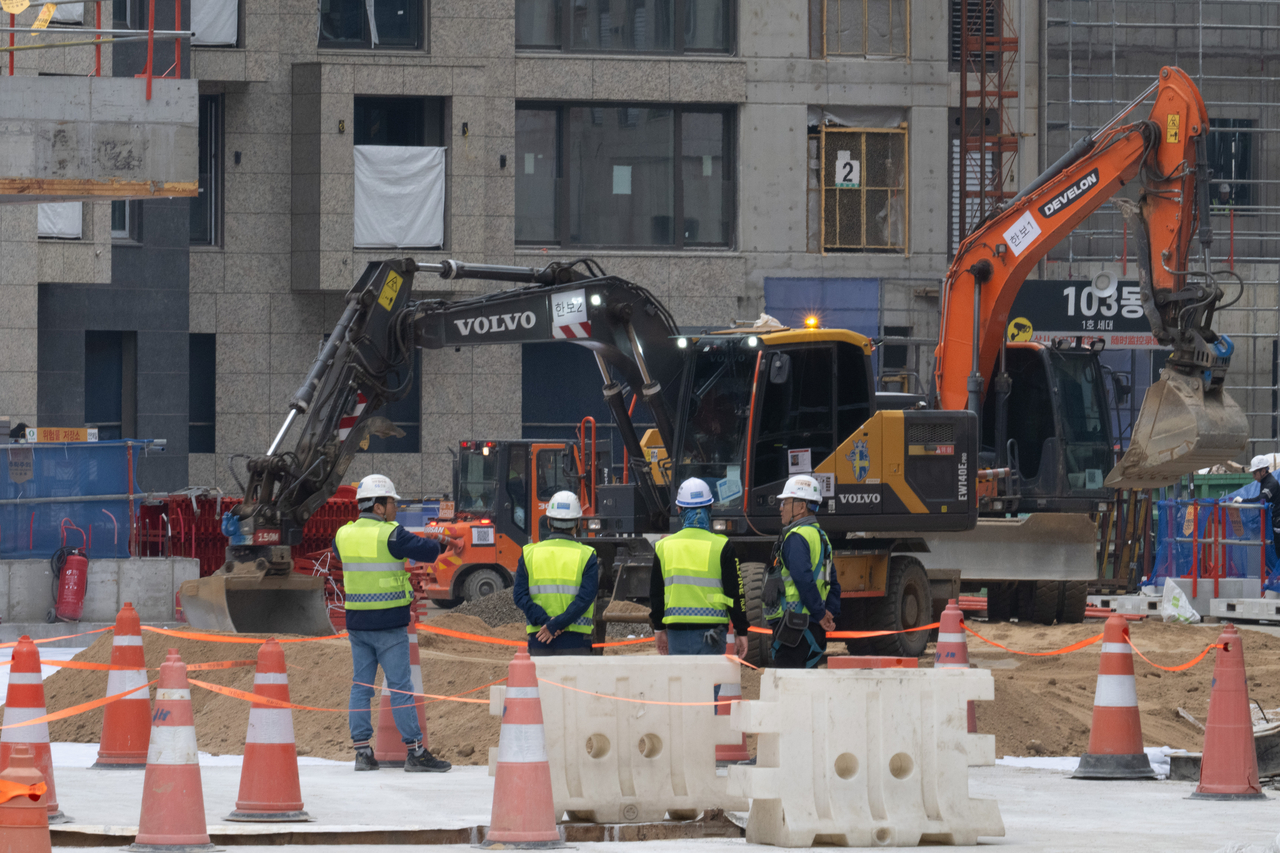
The meeting was held to share progress and best practices under a cooperative and fair-trade pact for the construction industry signed in July. It followed a similar consultative meeting held in September for 19 large construction companies and brought together 29 mid-tier general contractors ranked 21st through 50th in construction capacity assessments.
Compliance results covered subcontract payment adjustments reflecting higher supply costs, improvements to retention payment practices, and the revision of unfair contract terms.
Twenty-three general contractors increased subcontract payments to 152 subcontractors by about 18.4 billion won after the pact took effect, reflecting supply cost changes including higher raw material and oil prices. A leading example is HJ Shipbuilding & Construction, which raised total subcontract payments to three subcontractors by 3.3 billion won through index-linked contracts and payment adjustment consultations.
Measures are also being taken to address the practice of withholding a portion of progress payments until after project completion, a practice that increases the financial burden on subcontractors.
Eleven general contractors have either eliminated retention payment arrangements or conducted related training and contract reviews. Among them, Samsung E&A and Chinhung International have blocked the setting of retention payments entirely through their internal IT systems. Firms have also strengthened management practices to ensure timely payment, including regular reviews of subcontract payment status.
Procedures have also been established to ensure that liability for damages arising from defect litigation is shared fairly between general contractors and subcontractors. Since the pact took effect, five general contractors have notified 190 subcontractors of defect lawsuits filed against them. Damages determined by future court rulings are to be allocated through good-faith consultations with the relevant subcontractors.
In addition, 14 general contractors have revised contract terms to prevent costs from being passed on to subcontractors, including provisions explicitly requiring the general contractor to bear the full cost of industrial safety and waste disposal. Some firms have also conducted self-audits of unfair contract terms across all their project sites.
Internal dispute resolution mechanisms for subcontracting disputes have also been expanded. Sixteen general contractors now operate in-house dispute resolution bodies to consult with subcontractors on subcontracting issues including payment disputes and unit price adjustments. Five of those firms established their dispute resolution bodies after the pact was signed.
Other best practices shared at the meeting included ESG management consulting support for subcontractors provided by Woomi Construction; construction law and safety training support offered by Hanshin Construction and three other firms; preferred partner designation programs run by Doosan Engineering & Construction and four other companies; and the introduction of an AI chatbot by ZAI C&A to screen for unfair contract terms.
The Fair Trade Commission said it plans to continue engaging with the construction industry to support voluntary compliance with the cooperative pact and to promote the spread of best practices.
y2k@heraldcorp.com