One-on-one meetings with 32 officials from renewal associations and preparatory committees; early demolition of dilapidated buildings in Hyeonjeo-dong under review; pre-sales, appraisals and plan revisions among issues discussed
Seodaemun-gu has moved to directly assess and address a range of pressing issues across its urban renewal sites — from safety hazards posed by dilapidated buildings and vacant homes in long-stalled project areas to disputes over pre-sales and property appraisals.
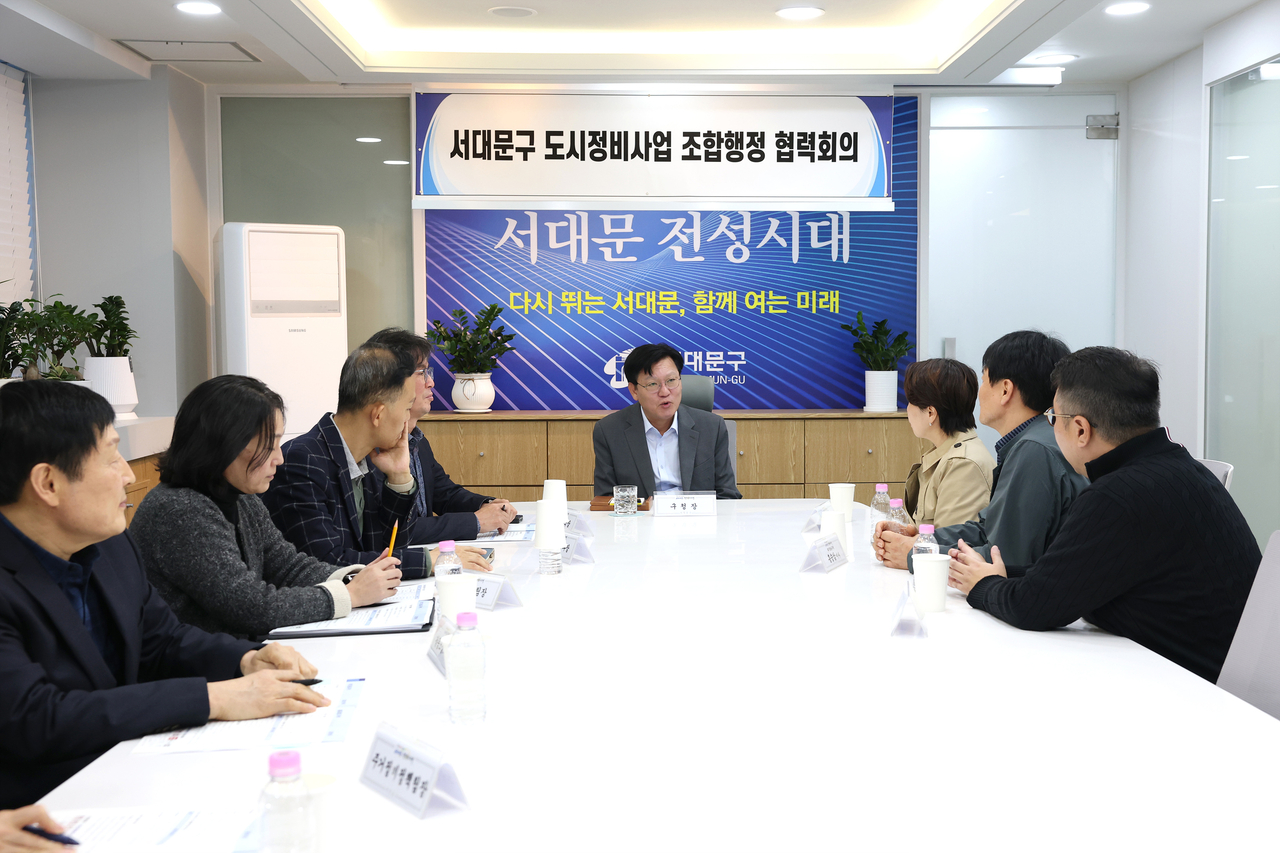
The district said it held one-on-one meetings with 32 officials from 13 urban renewal associations and preparatory committees from late October through early this month, reviewing the progress of each project and hearing requests from the groups.
The meetings were organized so that the district mayor could hear firsthand about difficulties on the ground and examine, together with relevant departments, matters requiring administrative support.
A particularly prominent issue was the early demolition of deteriorating and substandard buildings that remain in the Hyeonjeo-dong 1-5 area due to prolonged project delays.
The neighborhood formed in the 1960s as a dense cluster of unauthorized structures — a former shantytown. It was designated a residential environment improvement zone in 2005, but repeated delays have left aging buildings, vacant homes and abandoned properties standing to this day.
The association, which has received authorization to establish a cooperative and is now pursuing the renewal project, asked the district to cooperate administratively so that buildings posing safety risks could be demolished before the project implementation plan is approved.
District Mayor Park Un-gi directed officials to actively review the relevant laws and procedures, given that the matter is directly tied to residents' safety.
The district examined the possibility of early demolition under Article 37 of the Special Act on the Improvement of Vacant Houses and Small-Scale Housing. Once the association submits the relevant documentation, the district plans to verify the legal requirements and necessary procedures before proceeding with follow-up action.
Beyond the Hyeonjeo-dong case, the meetings covered a wide range of zone-specific issues at various stages of the renewal process, including disputes within associations and among members, complaints related to pre-sale applications and property appraisals, revisions to renewal plans, and public contribution facilities.
Park attended the meetings alongside the head of the urban renewal bureau and the directors and team leaders of relevant departments, listening to each association's requests and reviewing possible responses.
The district said it plans to continue departmental reviews and follow-up action to ensure that the issues raised do not end as one-off discussions.
Monthly progress management meetings and quarterly progress briefings will be used to monitor the status of each zone's project and track whether requests have been addressed. Issues requiring coordination across multiple departments will be handled jointly.
"The administration must not turn a blind eye to the difficulties that residents and associations face in pursuing urban renewal," Park said. "Since the conditions and challenges differ from zone to zone, I will listen directly to voices from the ground and responsibly work through what the administration can do."
seouldream01@heraldcorp.com