Chinese spy allegations against Huang's alleged partner raise prospect of congressional probe
Experts warn investigation process itself could fuel anti-China sentiment
AI chip export controls seen tightening further
Analysts split on whether full diplomatic crisis will materialize
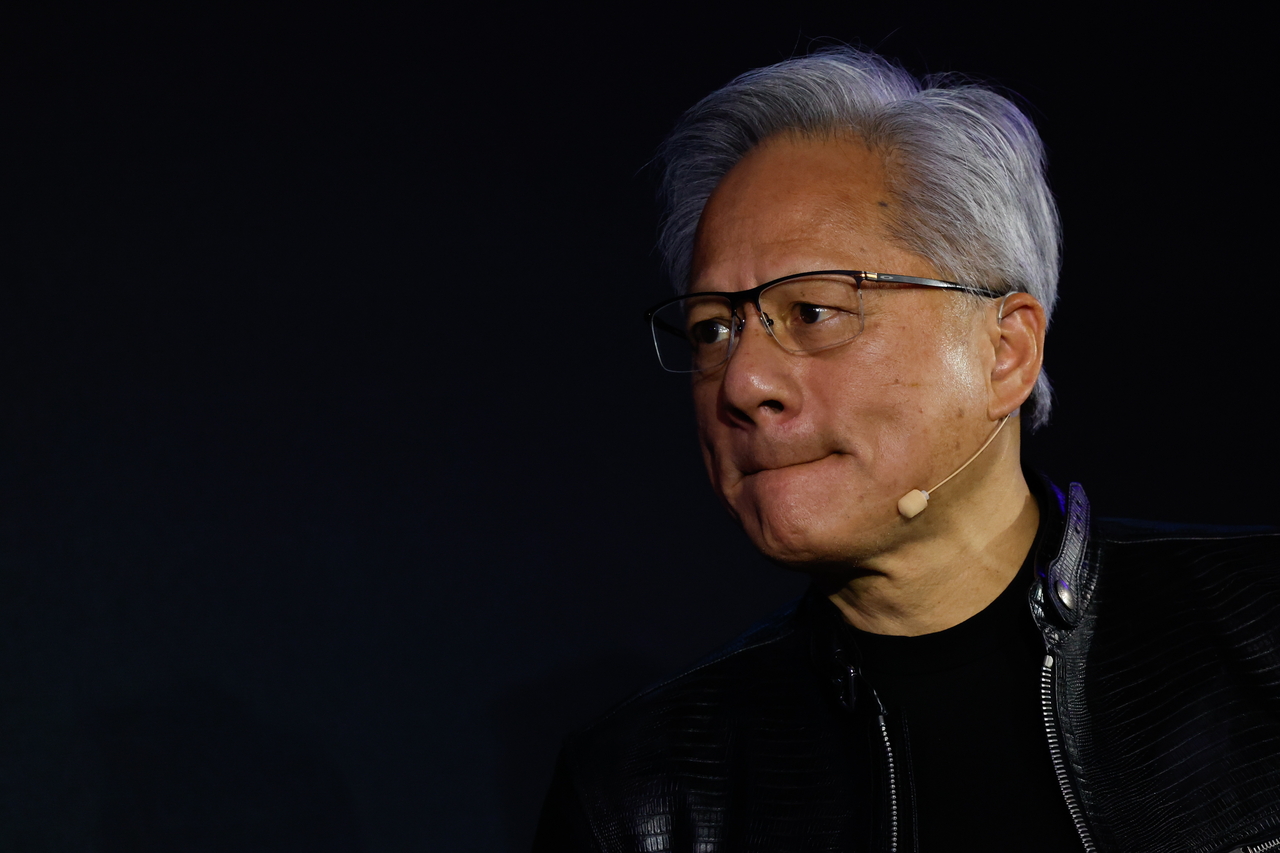
The extramarital affair scandal surrounding Nvidia CEO Jensen Huang could emerge as a new flashpoint in US-China tensions, analysts say. Should Congress launch an investigation into Chinese espionage allegations against Alice Huang, Huang's alleged partner, the two countries' relations could cool sharply — much as they did during the Chinese spy balloon incident of 2023.
Chinese experts on international relations raised the possibility Tuesday (local time), telling the South China Morning Post that the scandal could extend well beyond a private matter and affect the broader US-China competition for technological supremacy.
Concerns have deepened over allegations that Megaspeed, a Singapore-based cloud company where Alice Huang served as an executive, helped supply Nvidia's advanced AI chips to Chinese firms in circumvention of US export controls — a development analysts say could prompt Washington to intensify pressure on Beijing.
Zhu Feng, dean of the School of International Studies at Nanjing University, said it was significant that congressional committees would likely open an investigation. "This incident will become a second spy balloon affair in US-China relations," he said.
"The outcome of the investigation does not matter. The investigation process itself will stir up an anti-China wave," Zhu said, predicting that China hawks in Congress would push for expanded semiconductor export controls and tighter regulation of Chinese AI platforms.
The 2023 episode Zhu referenced saw the US military shoot down a Chinese balloon after it traversed the continental United States in February of that year. Washington concluded it was a surveillance operation; Beijing insisted it was a civilian weather research airship and protested the downing.
Some analysts, however, argue that the current scandal is unlikely to escalate into a diplomatic crisis on par with the balloon incident. No evidence has yet emerged linking Alice Huang to Chinese intelligence services or establishing direct involvement by the Chinese government. China's Ministry of Foreign Affairs has also denied the espionage allegations, dismissing them as baseless slander.
Xin Chang, a professor at Fudan University's Center for American Studies, said the allegations could strain bilateral relations even if they do not result in a formal indictment, but added that the affair would "not rise to the level of derailing US-China relations." Once intense media attention subsides, tensions between the two countries could ease as well, Xin said.
Sun Chenghao, a researcher at Tsinghua University's Center for International Security and Strategy, also forecast limited diplomatic fallout, while noting that the United States could tighten semiconductor export screening and step up efforts to track the flow of advanced chips through third countries.
The scandal may also cast a shadow over US-China cooperation on AI. Analysts warn that discussions on AI governance cooperation held at the two countries' summit in September could face new headwinds. What began as a personal affair has since expanded into questions of semiconductor export controls and technology security, adding a fresh layer of uncertainty to the US-China relationship.
sjy@heraldcorp.com