Lawmaker Park Ki-young blasts university at administrative audit
Gangwon Provincial University ranks last in employment among provincial colleges
National junior college ranking slides from 100th to 124th despite provincial backing
Gangwon Provincial University has become the latest drag on the rising image of Gangwon Special Self-Governing Province.
The situation calls to mind the grim days of the 1970s, when Gangwon, North Chungcheong and Jeju traded last place at the National Sports Festival and the National Youth Sports Festival. North Chungcheong Province, a rival that covers only 44 percent of Gangwon's land area, has since pulled far ahead in many respects. Gangwon's governance still grapples with entrenched habits, moral hazard and a culture of stagnation that will not be easy to shake.
Municipal and provincial universities across the country generally earn high marks for education quality and graduate employment rates, backed by their regional governments — but Gangwon Provincial University is an exception. After faculty research output was found to be at failing grade, the university now ranks last in employment among colleges established by metropolitan and provincial governments, and 124th nationally among junior colleges.
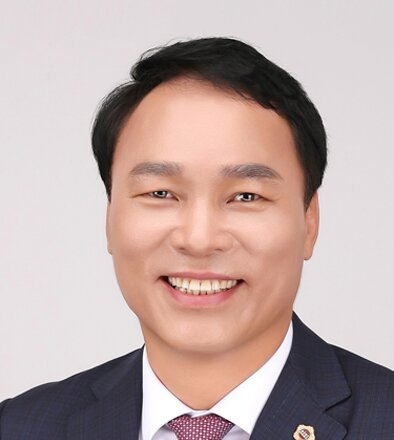
Park Ki-young, a People Power Party lawmaker representing Chuncheon District 3 on the Gangwon Provincial Assembly's Planning, Safety and Fire Department Committee, sharply criticized the university's persistently low employment figures at an administrative audit of Gangwon Provincial University on Wednesday, urging a comprehensive overhaul of its curriculum and career support systems.
"A university funded by taxpayers cannot claim to have fulfilled its role simply by recruiting students and handing them diplomas," Park said. "If poor employment rates keep repeating, the university must prove for itself why it deserves to exist as a public junior college. This is a matter of students' futures — the university must answer with results, not excuses."
According to audit documents, the university's employment rate stood at 53.4 percent in 2021, 57.1 percent in 2022, 69.7 percent in 2023 and 63.9 percent in 2024. Its national ranking among junior colleges was 133rd, 132nd, 100th and 124th in those respective years, meaning a recovery in 2023 was largely reversed the following year.
Among the seven provincial universities used as benchmarks, Gangwon ranked last in 2021 and in 2023 finished only 0.2 percentage points above South Jeolla Provincial University. In 2024, its employment rate fell 5.8 percentage points from the previous year, dropping it back to last place. The university failed to translate a temporary improvement into sustained competitiveness.
"The employment rate climbed from 53.4 percent in 2021 to 69.7 percent in 2023, only to fall back to 63.9 percent the following year," Park said. "Rather than explaining that the numbers once looked good, the university needs to answer why it could not hold onto those gains and whether its career support system is actually functioning."
The 2024 employment rate placed the university 124th out of 134 junior colleges nationwide. That was 11.4 percentage points below the 75.3 percent posted by Gyeongnam Provincial Geochang University, the top performer among provincial colleges, and 5.6 percentage points behind North Gyeongsang Provincial University, which ranked just above Gangwon.
Meanwhile, the university's preliminary employment figure for 2025 stands at 61.3 percent. However, as the figure is based on national health insurance database records and the university's own internal survey, it may differ from the final confirmed rate. According to documents submitted by the university, the final employment rate is scheduled to be published Dec. 31, 2026.
The university attributed its poor performance to a growing share of adult learners, structural limitations in the regional economy and the tendency of students in some departments to prepare for civil servant examinations. Park rejected those explanations. "Other provincial universities also face difficulties stemming from local conditions and student demographics," Park said. "If the university keeps citing external factors, one has to ask: when will it identify the problems it must fix itself, and who will take responsibility?"
abc@heraldcorp.com