Dean Song Ha-yeop says school will expand technology research and pioneer new fields to meet student demand in the AI era
Chung-Ang University's Graduate School of Construction is stepping up its research capabilities and industry-academia collaboration to respond to changes sweeping the construction sector in the AI era.
The school announced it will hold its third annual academic conference on Dec. 1 at 6 p.m. at Daesin Hall in Building 310 on the Seoul campus.
First launched in 2024, the conference is the school's flagship academic program, centered on student research presentations and poster exhibitions. This year, construction engineers, industry officials and experts from a range of fields will attend to share perspectives on key issues — including construction policy, urban infrastructure, safety and ESG — and explore practical avenues for collaboration.
The event will open with remarks by Dean Song Ha-yeop, followed by congratulatory speeches, an invited lecture, research presentations and a poster exhibition. In the invited lecture, Professor Moon Chang-seop will present on the theme "Korea's Future Construction Strategy as Learned from Germany and the United States," outlining shifts in the global construction industry and directions for domestic development.
Featured research presentations include a study on collapse cases involving high-fill reinforced retaining walls using back-analysis (Lee Jong-min), a policy study on realizing effective public value in Han River cover parks (Jang Seong-uk), a design for an environment-data-based high-tech construction management bid-review support system (Kim Seung-hyeon), and a proposal for clarifying ESG compliance cost and liability allocation in privately financed highway construction projects (Byeon Gang-u).
The conference will spotlight a broad range of research — from construction safety and geotechnical technology to urban space utilization, construction management and ESG policy — bringing together current industry challenges and future priorities.
Dean Song said the Graduate School of Construction was the first specialized graduate school in the country dedicated to construction when it opened in 1983, and has produced more than 7,000 construction professionals over more than four decades. "Because of the nature of a specialized graduate school, we had focused primarily on technical education and felt we had not fully met students' demand for academic research," Song said. "We organized this conference to expand the weight given to technology research, in line with what our students want and the rapidly changing times." Song added that presenting research results had given students a sense of achievement and pride in their academic contributions, and expressed hope that the conference would help strike a balance among education, research and professional networking.
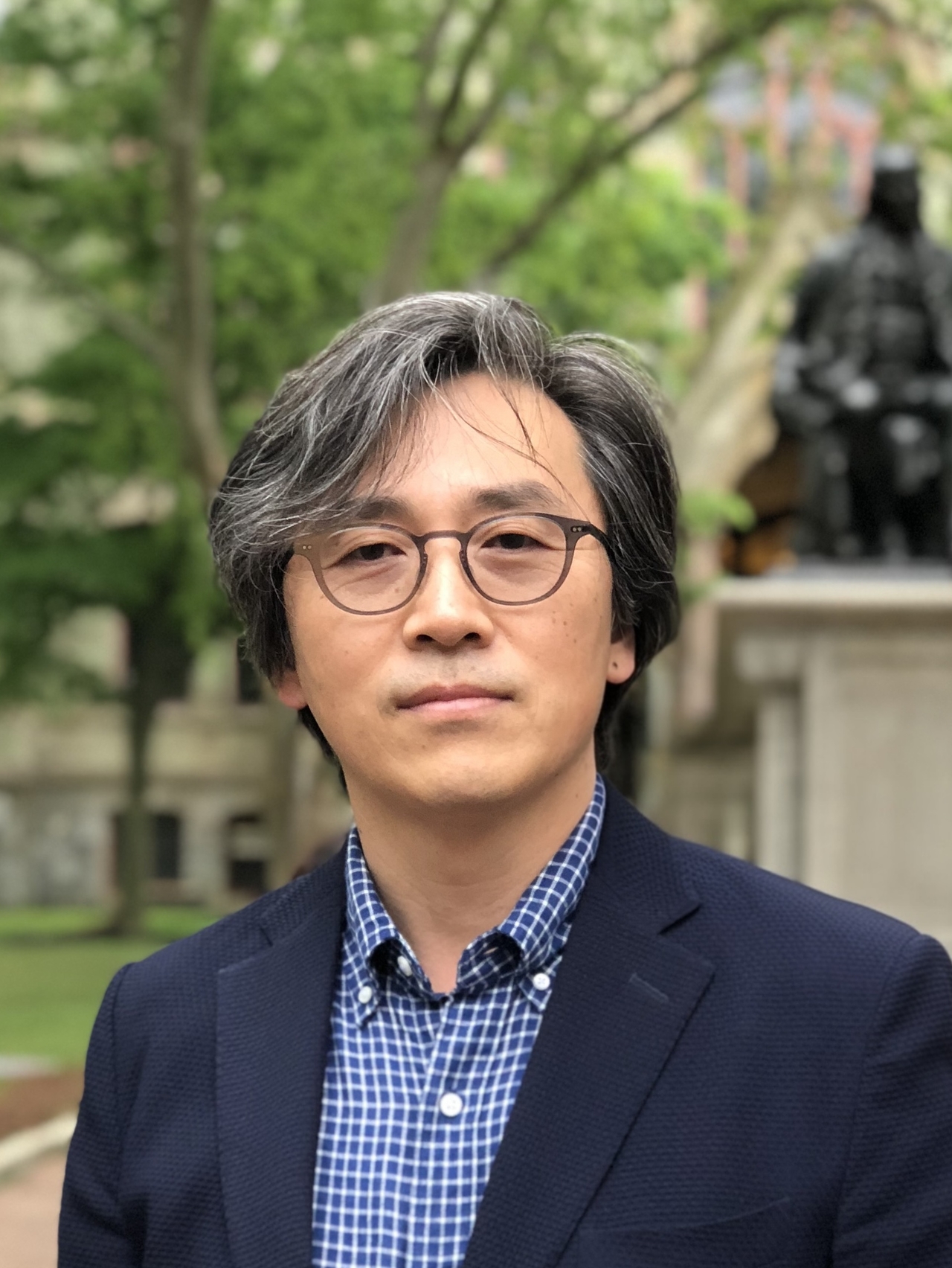
Song also outlined a vision for construction education grounded in philosopher Martin Heidegger's concepts of "cultivate" and "construct," proposing what he called "cultivating construction" — an approach that seeks harmony between people and their environment. "We will develop our curriculum and pioneer new research fields suited to our students' needs, in order to build a construction industry culture that is more humane and attuned to the spirit of the times," Song said. Song also sees Seoul's ongoing urban transformation — including the Yongsan International Business District, Nodeul Island and the reshaping of Han River-side urban spaces — as opening new opportunities for construction research and industry-academia cooperation. The school plans to develop the Graduate School of Construction into a collaborative platform aligned with Chung-Ang University's "Meta Value" vision, which connects industry, education, community and research.
Lee Mi-yeon, the 63rd president of the Chung-Ang University Graduate School of Construction student association, said she hoped the conference would serve as "a space of connection where the experience of sunbae and the passion of juniors meet and grow together," and pledged the association's active participation and support. The Graduate School of Construction plans to use the conference as a springboard to strengthen practice-oriented research capabilities, expand its education and research framework to keep pace with AI-driven changes in construction technology, and lay the groundwork for industry and academia to jointly chart the future of the construction sector.
kty@heraldcorp.com