Healthcare Innovation Park, opened in 2016 as South Korea's first hospital-centered bio cluster, serves as a hub for full-cycle research and development support
Hospital aims to realize future medical innovation through expanded industry-academia-research-hospital collaboration
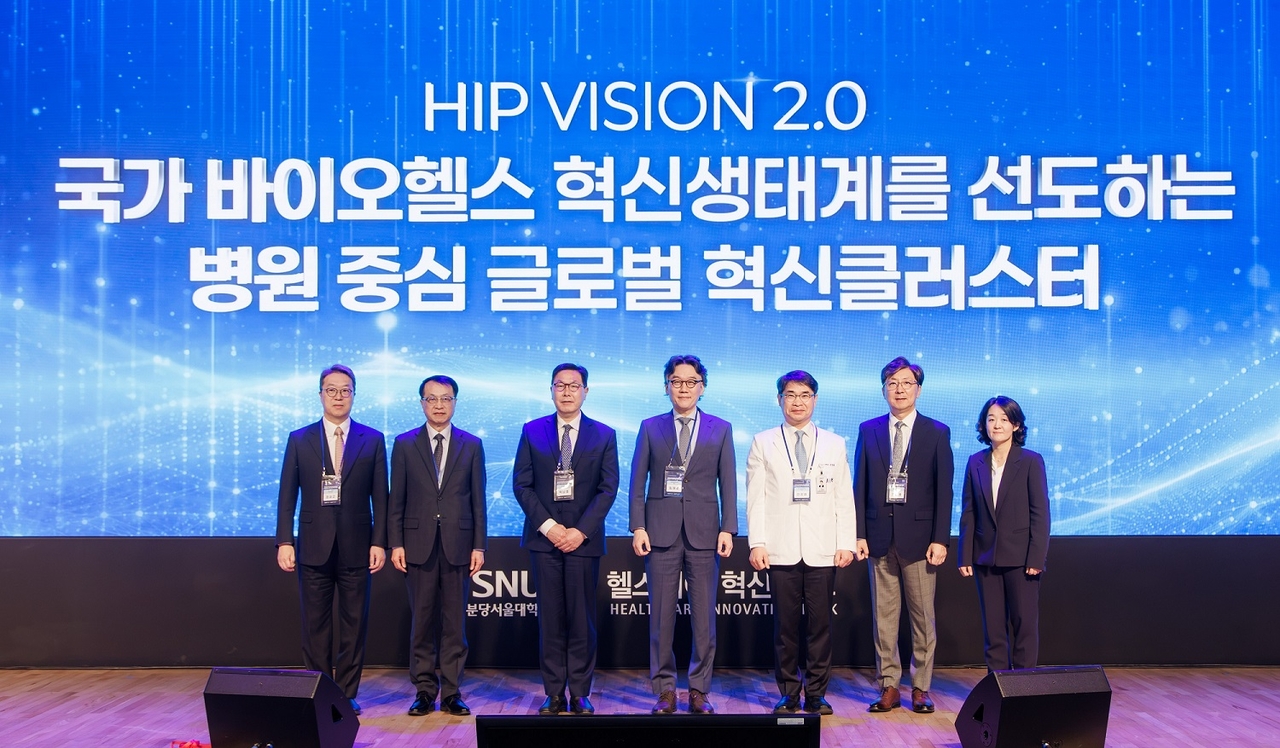
Key attendees pose for a commemorative photo after the proclamation of the new vision: "A hospital-centered global innovation cluster leading the national bio-health innovation ecosystem."
Bundang Seoul National University Hospital held a joint symposium with Seoul National University Hospital on Tuesday at the Healthcare Innovation Park, marking the 10th anniversary of the facility and unveiling a new vision to become "a hospital-centered global innovation cluster leading the national bio-health innovation ecosystem."
The symposium, co-hosted by the two hospitals, brought together officials and researchers from Seoul National University College of Medicine, Seoul Metropolitan Government Boramae Medical Center and other institutions. Participants shared research achievements accumulated by each organization and explored avenues for expanding joint research.
The event featured a 10th-anniversary ceremony for the Healthcare Innovation Park, a commemorative lecture and presentations of major research findings. The anniversary ceremony included a formal proclamation of the park's new vision.
The Healthcare Innovation Park opened in 2016 as South Korea's first hospital-centered bio cluster and has since steadily expanded its research and clinical infrastructure. In 2019, the hospital completed the Ji Seok-yeong Biomedical Research Institute, establishing a research foundation linking basic science through preclinical and clinical stages. The park subsequently opened a simulation center, a clinical trial center and a challenge center, broadening its education and research support capabilities. Through these additions, it built a system supporting the full research and development cycle — from idea generation to commercialization — under one roof.
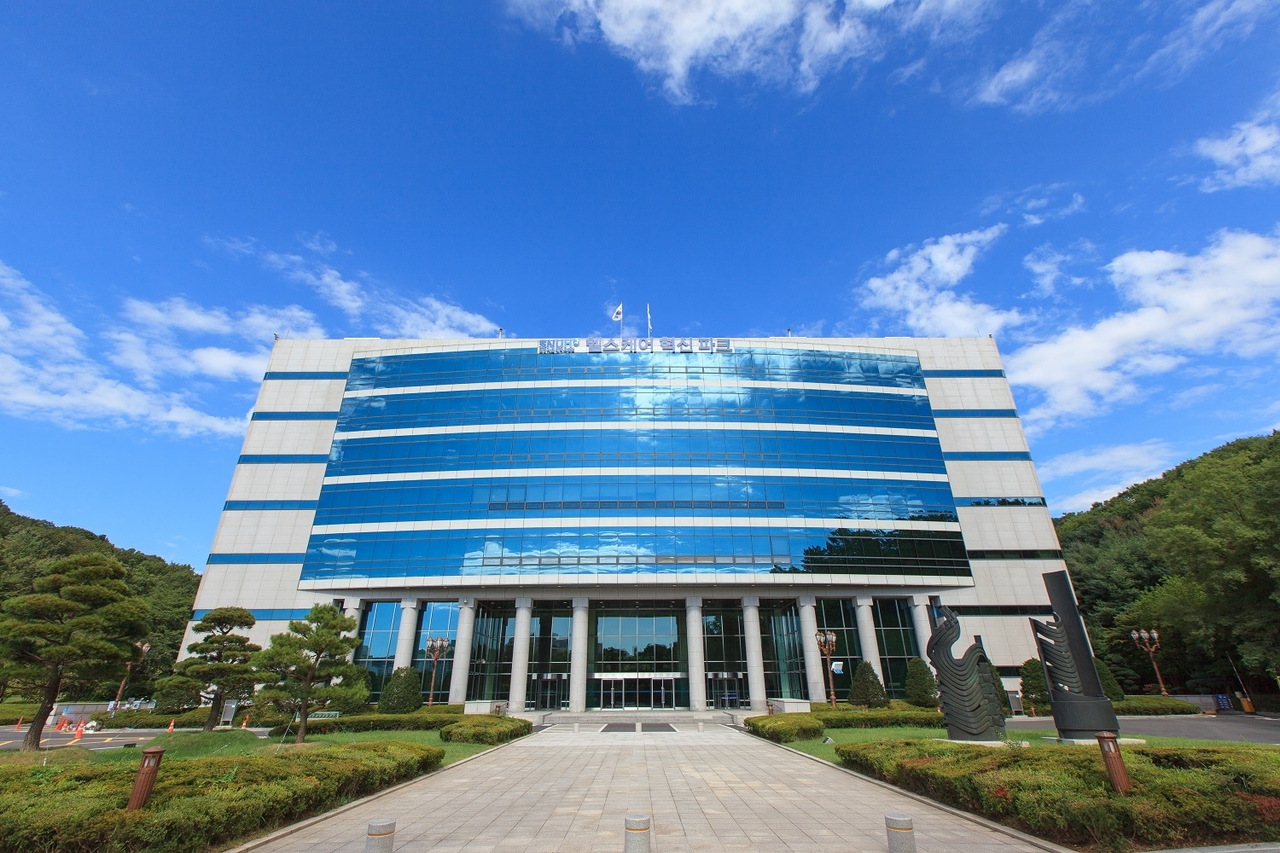
In recognition of these research capabilities, Bundang Seoul National University Hospital received first-tier research-centered hospital certification from the Ministry of Health and Welfare in 2025. The Healthcare Innovation Park currently houses 30 bio-healthcare companies that collaborate with the hospital and research institutions in a shared space, and the park's cumulative patent count has reached 2,000.
The new vision calls for expanding industry-academia-research-hospital collaboration, building on the research foundation the hospital has developed as a research-centered institution and on the cooperative environment the Healthcare Innovation Park provides. The goal is to translate research outcomes into changes at the clinical level and into industry applications, delivering tangible improvements in public health.
The commemorative lecture featured Choi Byung-yun, head of research planning at Bundang Seoul National University Hospital, who spoke on "Ten Years of the Healthcare Innovation Park: Achievements and the Road Ahead," outlining the park's major accomplishments and future direction. Park Jeong-hwan, director of the medical AI and data policy division at the Ministry of Health and Welfare, shared the government's policy direction on health and medical data in the AI era and said closer ties between research and industry were essential.
In the final session, researchers from the participating institutions presented major findings. Topics ranged from the current state and challenges of medical research at Seoul National University College of Medicine to clinical development of cell therapies, an advanced treatment platform for pancreatic cancer, and AI-based dementia prevention strategies — spanning basic research through clinical application. The participating institutions said they plan to use the symposium as a springboard to deepen collaboration by linking their respective research capabilities and infrastructure for expanded joint projects.
"The Healthcare Innovation Park is embarking on a new leap forward, built on a decade of achievements," said Jeon Young-tae, director of Bundang Seoul National University Hospital. "We will do our utmost to ensure that outstanding research outcomes translate into real change at the clinical level and contribute to improving public health."
Kim Jae-yong, director of the hospital's Biomedical Research Institute, said the new vision reflects a commitment to advancing toward a global innovation cluster where research, industry and clinical practice converge around the hospital, drawing on years of accumulated collaboration. "The Healthcare Innovation Park will serve as a solid foundation to ensure that the inter-institutional cooperation strengthened at this symposium leads to new joint research and medical innovation," Kim said.
kty@heraldcorp.com