October employment rose by 139,000, but youth employment rate decline deepened; manufacturing jobs turn negative as government eyes AI-transition training access
The government plans to swiftly draw up a "National Jobs Project" action plan aimed at improving employment conditions for vulnerable groups, including youth and middle-aged workers who have taken early retirement.
The move comes as sector-level employment weakness persisted in October — the youth employment rate decline deepened and manufacturing jobs turned negative, even as overall employment growth picked up from the previous month.
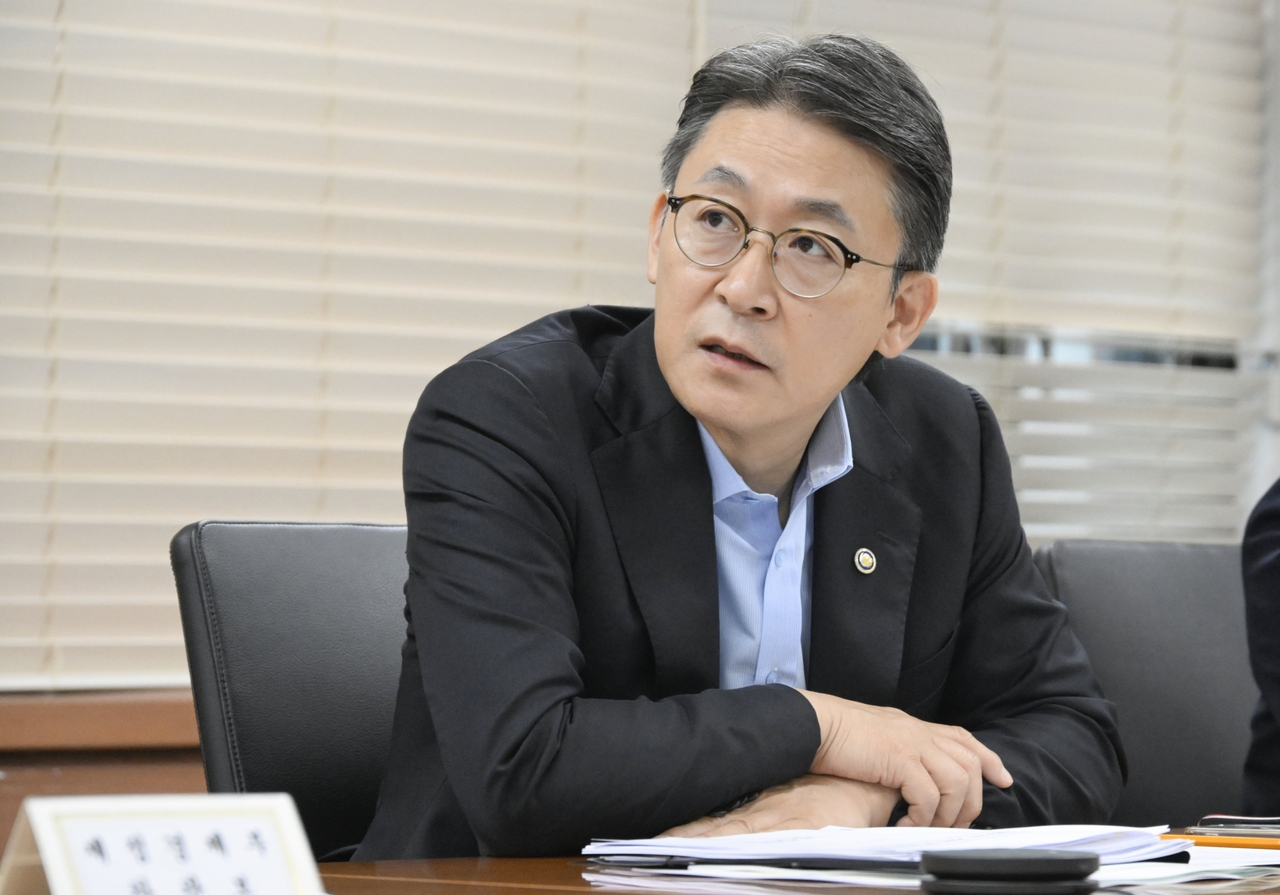
Kwon Dae-young, First Vice Minister of the Ministry of Economy and Finance, chaired the 13th inter-ministry jobs task force meeting at Government Complex Seoul on Wednesday, where officials reviewed October employment trends, a draft of the National Jobs Project action plan, and the current status and future schedule of direct job-creation programs.
The number of employed people rose by 139,000 in October compared with the same month last year. The gain was larger than the 113,000 increase recorded in September and marked the fourth consecutive month of growth in the 100,000-plus range since July.
However, conditions varied sharply by sector. Service-sector employment growth widened from 221,000 in September to 272,000 in October. The pace of decline in construction employment also narrowed, from 48,000 to 42,000 over the same period. Manufacturing employment, by contrast, swung from a gain of 16,000 in September to a loss of 7,000 in October. The decline in agriculture, forestry and fisheries employment deepened from 94,000 to 101,000.
Difficulties in youth employment also persisted. The year-on-year drop in the youth employment rate widened from 1.1 percentage points in September to 1.7 percentage points in October. The number of young people classified as "resting" — neither working nor actively seeking work — fell by 38,000 from a year earlier, marking nine consecutive months of decline, yet the youth employment rate showed no improvement.
The government plans to quickly finalize a joint inter-ministry National Jobs Project action plan to sustain employment growth and spread the benefits of economic gains to everyday livelihoods. The plan will include measures to improve employment conditions in vulnerable segments, covering youth, older workers and middle-aged people who have left the workforce early.
The government will also examine ways to strengthen the basic capabilities citizens need in an era of AI transformation. The focus will be on providing sufficient demand-driven training opportunities and improving access to such training. Specific support figures and implementation timelines were not included in the materials released Wednesday.
Direct job-creation programs designed to stabilize income and employment for vulnerable groups during the winter season will be carried out without disruption through year-end. Preparatory work — including responses to next year's budget deliberations and the drafting of program plans — will proceed in parallel.
"Jobs are the most important channel and lifeline through which the warmth of export-driven economic growth flows into domestic demand and people's livelihoods," Kwon said. Kwon added that the ministry would "place the highest priority on improving employment conditions as felt by vulnerable groups, pool the capabilities of related ministries, and do its utmost across the entire process — from drawing up the National Jobs Project action plan to completing this year's programs without disruption and preparing for next year's."
fact0514@heraldcorp.com