District officials visit Tokyo Dome, GMO Saitama Super Arena and K-Arena Yokohama to study crowd safety, traffic and local commerce strategies ahead of the 2027 opening
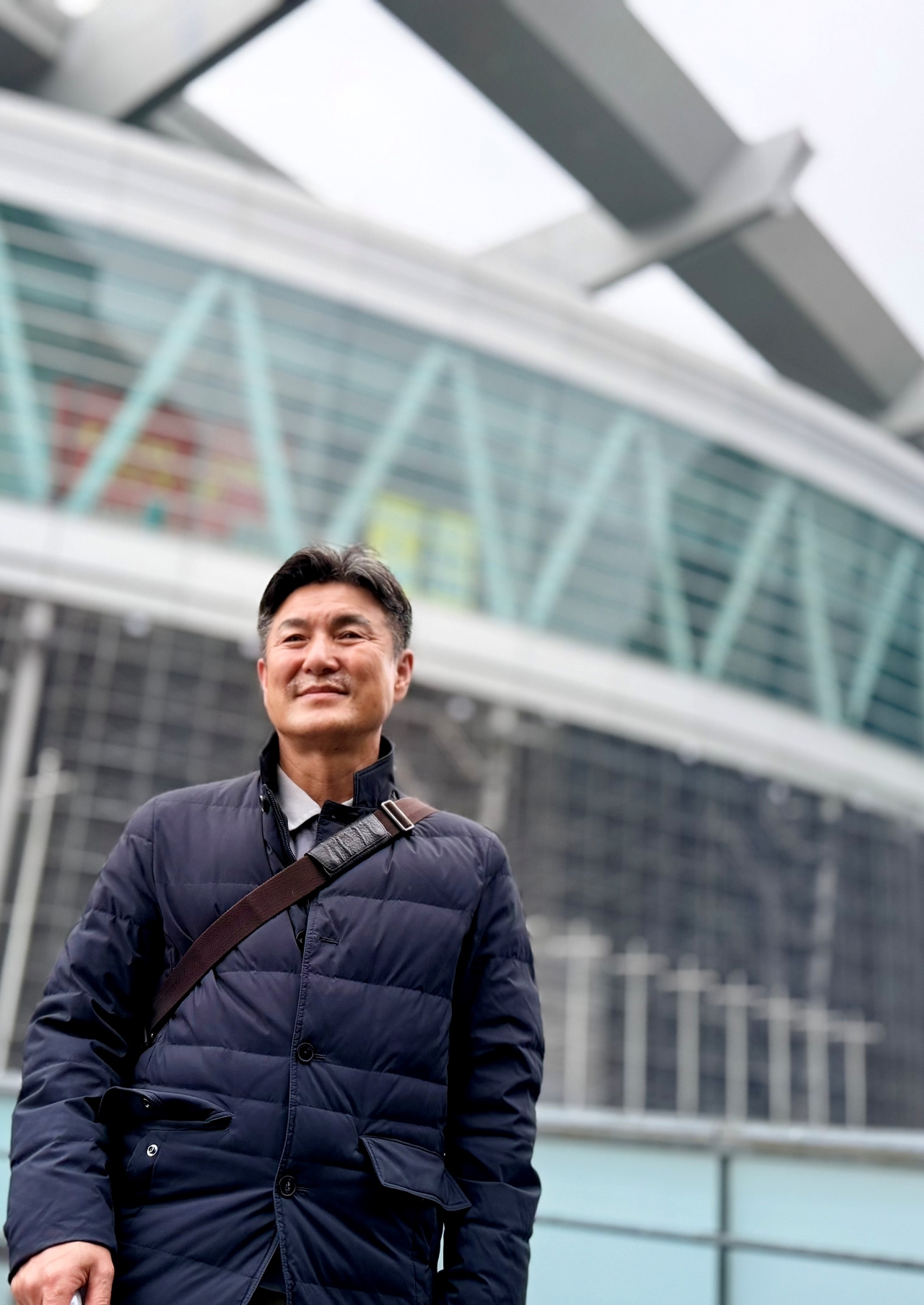
Dobong-gu is looking to Japan's major concert venues for lessons on how to run Seoul Arena successfully and energize the local economy ahead of the facility's 2027 opening.
The district office said it sent a delegation to Tokyo, Saitama and Yokohama from Thursday through Saturday to study the operations and management systems of Tokyo Dome, GMO Saitama Super Arena and K-Arena Yokohama.
The visit was organized to get ahead of the large crowds expected once Seoul Arena opens, with officials examining crowd safety, traffic management, ties to surrounding businesses, protection of residents' living environment and public-private cooperation frameworks.
The delegation first called on the Bunkyo Ward office in Tokyo, where officials briefed them on how Tokyo Dome handles large-scale crowd movement, noise and vibration complaints, and advance communication with residents. The group then toured Tokyo Dome itself, observing pre-performance queues and audience flow to assess congestion management and visitor convenience measures.
In Saitama, the delegation toured GMO Saitama Super Arena's facilities and operational setup. Particularly noteworthy, officials said, was the elevated pedestrian walkway connecting the nearest rail station directly to the arena, the role of a dedicated venue management organization, and joint events run in partnership with nearby businesses — a model for mutual benefit between the arena and its surrounding community.
In Yokohama, the group examined the public-private urban management framework of the Minato Mirai 21 district, then visited K-Arena Yokohama to see how the music-focused venue extends audience dwell time by integrating accommodation and dining options.
A key takeaway from the trip, officials said, was that a large arena's ability to draw crowds does not automatically translate into economic benefits for the surrounding area.
Venues with strong public transit access make it easy for concertgoers to head straight home or move on to other parts of the city after a performance, rather than lingering and spending in nearby shops and restaurants. The district concluded that beyond the arena's own appeal, strategies to keep audiences in the area and direct their spending into the local economy will be essential.
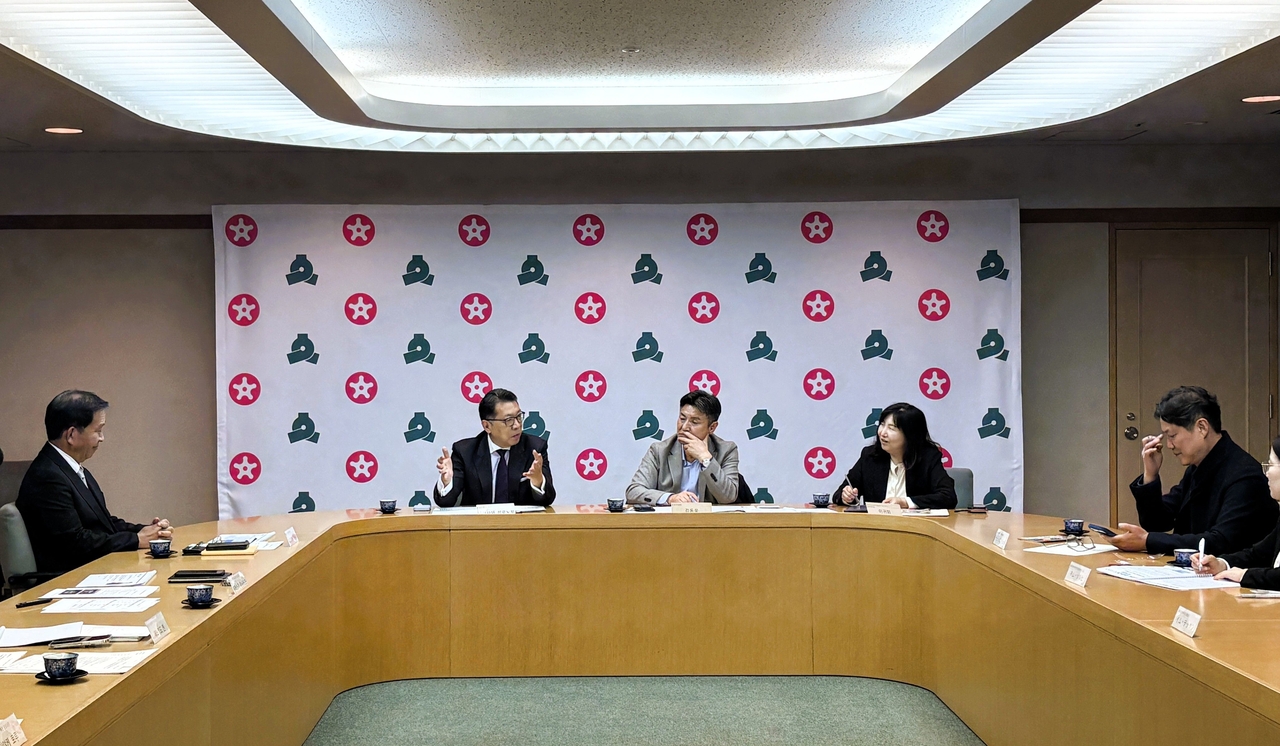
Dobong-gu plans to use the findings from the trip to reassess key operational challenges for Seoul Arena and work with relevant agencies to develop a concrete urban revitalization strategy for the area around Changdong Station.
"We will actively incorporate the strengths of these advanced cases while proactively preventing the pitfalls we observed — such as limited spillover into surrounding businesses and pedestrian congestion," District Mayor Kim Dong-wook said. "We will prepare thoroughly so that every visitor who comes to Seoul Arena helps drive economic vitality across all of Dobong-gu."
seouldream01@heraldcorp.com