Consolidated operating profit up 85.4%, net profit up 102.7% year on year
Corporate lending revenue jumps 161.4% after comprehensive financial investment firm designation
Brokerage and IB both grow as firm eyes ultra-large IB status
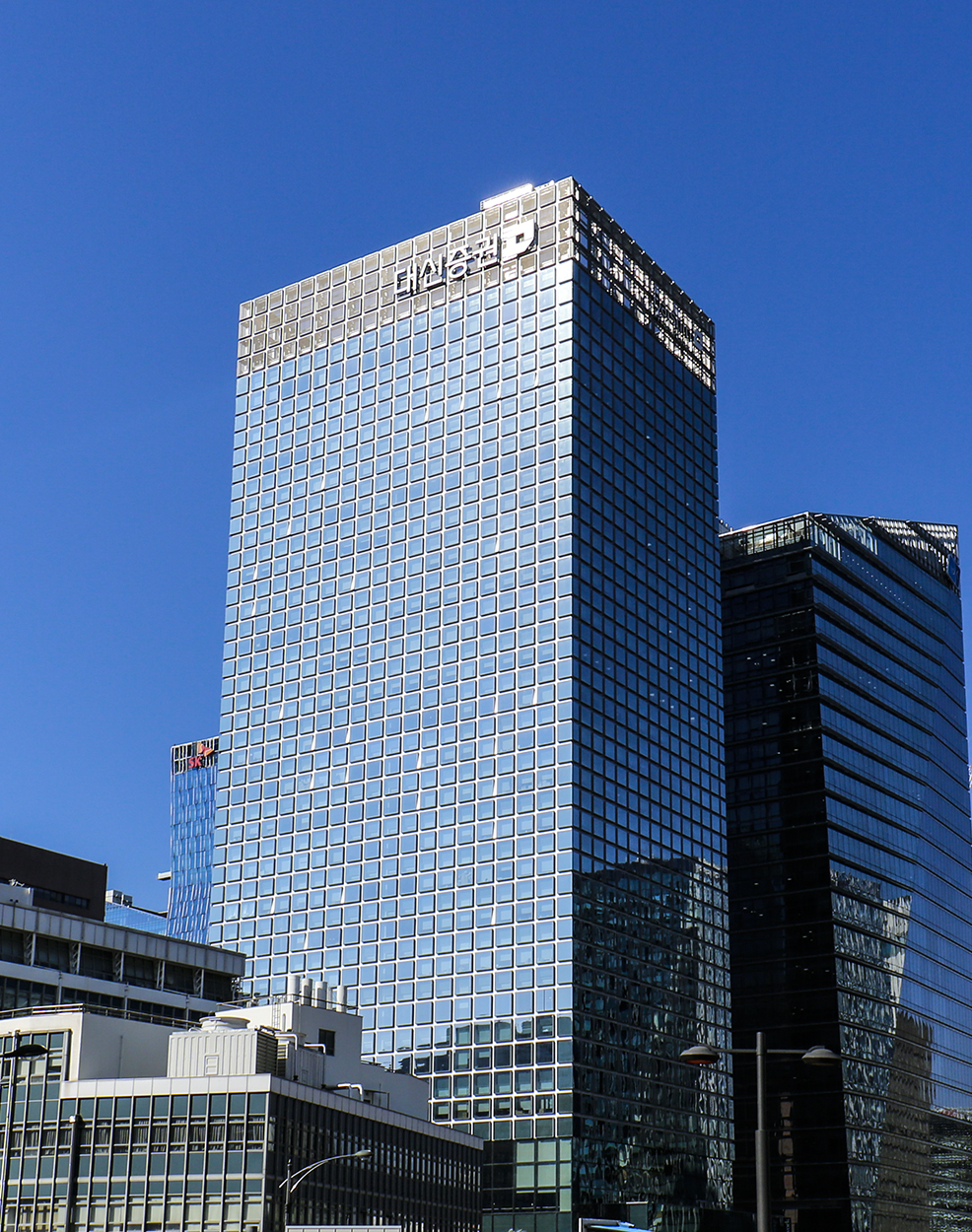
Daishin Securities posted relatively weak third-quarter earnings as stock market trading volume fell and valuation losses on its securities holdings widened, but its cumulative operating profit for the first nine months of the year rose more than 85 percent from a year earlier.
The gains were driven by a sharp rise in brokerage revenue and tangible results from corporate lending that the firm has been building since receiving its comprehensive financial investment firm designation. Daishin Securities plans to use this momentum to diversify its revenue base and strengthen the business foundation needed to qualify as an ultra-large investment bank by 2028.
Daishin Securities recorded consolidated operating profit of 460.2 billion won ($339 million) for the January–September period this year, up 85.4 percent from the same period a year earlier, according to the financial investment industry. Consolidated net profit for the period came to 389.6 billion won, more than doubling year on year.
Lower stock market trading volume and wider valuation losses on securities holdings weighed on third-quarter results, but on a cumulative basis, corporate lending revenue — expanded steadily since the firm received its comprehensive financial investment firm designation — grew substantially.
Net operating revenue for the first nine months of this year rose 10.7 percent from the same period a year earlier. Brokerage revenue led the way, surging 438.0 percent. Investment banking and wealth management revenue also grew, by 18.9 percent and 5.4 percent, respectively.
The benefits of the comprehensive financial investment firm designation were most visible in corporate lending. After receiving the designation in December 2024, Daishin Securities gained the authority to expand corporate credit extension. Its corporate loan book grew 47.5 percent from the same period last year, and corporate lending revenue for the January–September period rose 161.4 percent — a clear sign that the broader corporate finance mandate translated into real lending growth and revenue expansion.
The expansion of corporate lending is also expected to support Daishin Securities' push toward ultra-large IB status. The firm has already met its target of securing 4 trillion won in equity capital ahead of schedule and is working toward obtaining the ultra-large IB designation and entering the promissory note issuance business by 2028. Receiving approval for the promissory note business would expand the firm's self-funding capacity and create more room to build on the business foundation it has established since the comprehensive financial investment firm designation.
Daishin Securities is focused on strengthening profitability in preparation for its ultra-large IB push. Although trading performance was weak in the third quarter due to lower market trading volume and wider securities losses, the firm also made underlying progress — underwriting fees from initial public offerings increased and affiliate earnings improved.
Industry observers say that beyond headline earnings, it is important to assess how well a firm has built a business foundation aligned with its strategic direction. In Daishin Securities' case, its expansion of corporate lending and accumulation of IPO underwriting experience since the comprehensive financial investment firm designation are seen as noteworthy even against a backdrop of soft quarterly results.
"Securities firms' earnings are inevitably volatile given their exposure to external conditions such as market movements," a financial investment industry official said. "The fact that Daishin Securities has grown its corporate lending revenue and built up its IPO underwriting track record since receiving the comprehensive financial investment firm designation is meaningful in its own right, separate from quarterly earnings, as it lays the groundwork for entering the ultra-large IB tier."
Third-quarter earnings across domestic brokerages were broadly weak, weighed down by subdued investor sentiment and a high base effect from the strong second quarter. Korea Investment Securities posted third-quarter net profit of 281.8 billion won, plunging 70.23 percent from the previous quarter. Kiwoom Securities reported 238.6 billion won, down 64.95 percent quarter on quarter. The results reflect a combination of the base effect from record earnings during the first-half market rally and a deteriorating operating environment in the second half, marked by falling share prices and rising market interest rates.
th5@heraldcorp.com