With the Democratic Party set to control both chambers of Congress, analysts are warning that the pace of South Korea's US investment program — a signature initiative of the Donald Trump administration — could slow.
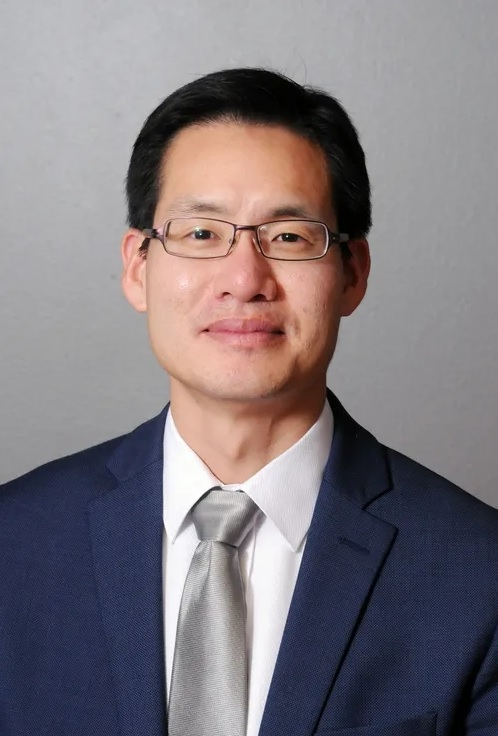
Andrew Yeo, the Brookings Institution's Korea Chair, said at a Korea Economic Institute (KEI) seminar in Washington on Tuesday (local time) that "enhanced congressional oversight could constrain the pursuit of some policies" the Trump administration intends to continue. Yeo said the Democrat-led House is likely to scrutinize the process and procedures behind South Korea's $350 billion investment commitment to the United States, potentially slowing its progress.
"Congressional oversight is not meant to derail everything," Yeo said, "but the administration may have to answer questions from Congress before projects can move forward, which will slow things down."
The 15 percent tariff applied to South Korea is also unlikely to be rolled back. Still, Yeo said both Seoul and Washington must adapt to the changed congressional landscape, noting that lawmakers are discussing legislation that would strengthen Congress's authority to oversee and control tariffs.
The trajectory of the war with Iran is another variable with implications for South Korea. As Democrats push for an end to the conflict, a reopening of the Strait of Hormuz could benefit South Korea's energy security. At the same time, Seoul will need to decide how to respond to any Trump administration demands for greater contributions to US military operations in the Middle East.
Yeo was skeptical about the prospects for renewed US-North Korea dialogue. "President Trump has made clear he wants to meet North Korean leader Kim Jong-un, but Kim and the North Korean regime have shown no interest at all," Yeo said. Asked whether the Asia-Pacific Economic Cooperation summit in Shenzhen, China, this month could provide an opportunity for a US-North Korea summit, Yeo said, "Four or five months ago I might have said there was a possibility, but right now I don't think so."
Yeo also questioned whether there would be enough diplomatic bandwidth to arrange a separate meeting with North Korea while a US-China summit is already in the works, calling the logistics of preparing two major summits simultaneously "extremely difficult on a practical level."
He added that while one could imagine Kim showing up uninvited — like a character in a Saturday Night Live sketch, not wanting to be left out of a gathering of world leaders — the chances of that actually happening were "quite low."
kate01@heraldcorp.com