Waller: 50 bp hike on table if core inflation holds at 0.3% or above
October CPI beats forecasts, meeting Waller's stated threshold
Logan calls for at least two more hikes, warns of faster pace
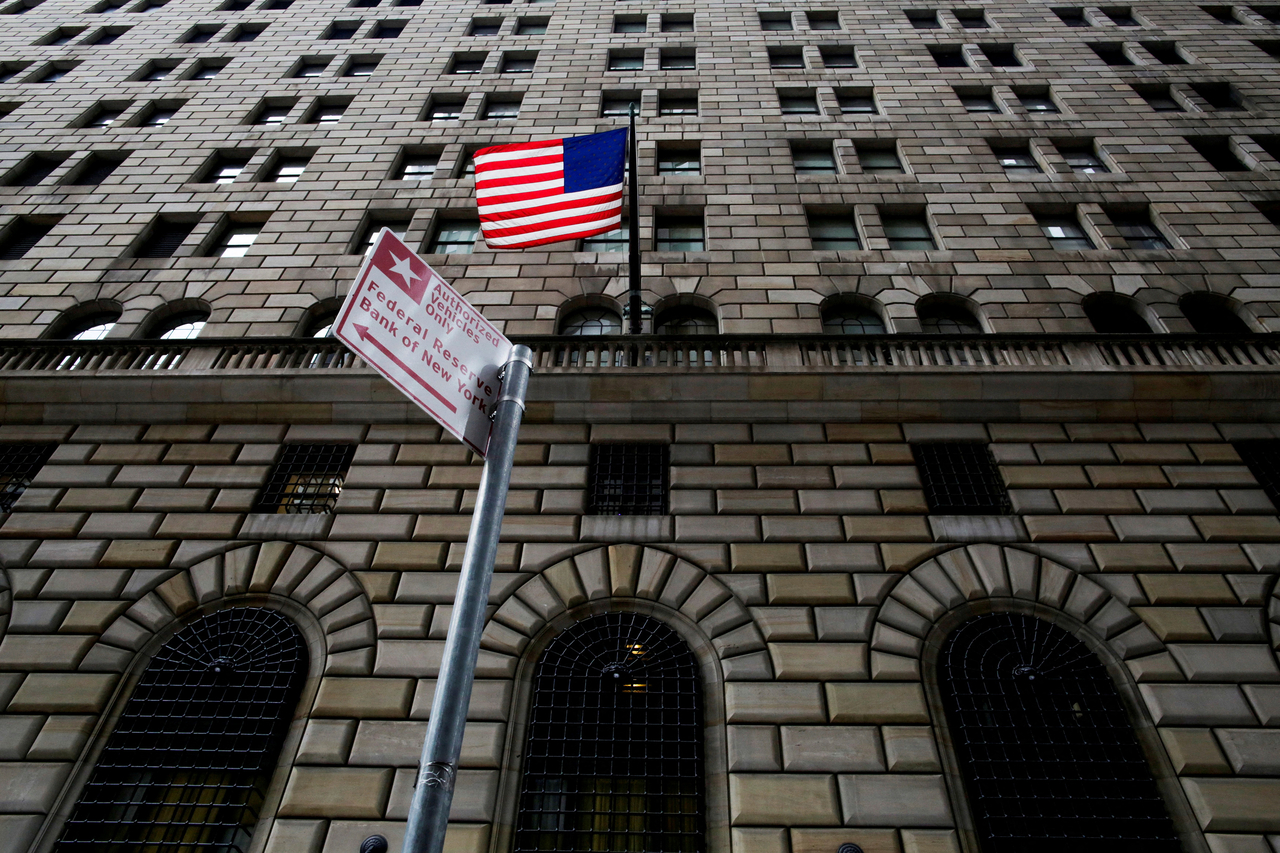
The Federal Reserve has left open the possibility of a 50-basis-point "big step" rate hike at its December meeting. With senior Fed officials calling in quick succession for more aggressive tightening, and October consumer price index data coming in above market expectations, the probability of a December rate increase has in effect reached 100%.
Federal Reserve Governor Christopher Waller said Tuesday (local time) at a conference in London that he supports raising the benchmark interest rate at the December Federal Open Market Committee meeting and that a 50 bp increase — where 1 bp equals 0.01 percentage point — should be considered if inflation continues to run hot, according to Bloomberg and other outlets.
"Even if October monthly inflation improves as I expect, I am leaning toward a 25 bp increase at the December FOMC meeting," Waller said.
He added that while economic activity remains strong and the labor market is stable, inflation "is still too high and well above the Fed's 2 percent target."
Waller went further, laying out the specific conditions under which a 50 bp hike would come into play.
"If October core CPI comes in at around 0.3 percent — similar to the past two months — or higher, stronger policy action may be needed," he said. "In that case, we should consider raising the benchmark interest rate by 50 bp at the December meeting."
He warned that raising rates by only 25 bp under such circumstances "could jeopardize our credibility," and said he had no desire to take that risk.
The October inflation data released shortly after Waller's remarks met the very threshold he had set for considering a bigger move.
October CPI rose 0.4 percent from the previous month, exceeding the 0.3 percent consensus forecast compiled by Dow Jones. Core CPI, which strips out volatile food and energy prices, climbed 0.3 percent month-on-month, also topping the 0.2 percent estimate.
The stronger-than-expected inflation reading quickly spread expectations across financial markets that the Fed will raise rates in December.
According to CME FedWatch, fed funds futures markets raised the probability of a December rate hike from roughly 85 percent to 100 percent. The odds of a 25 bp increase stood at 85.3 percent, while those of a 50 bp move were priced at 14.7 percent.
Waller drew a line, however, against pursuing tightening so aggressive that it would trigger a sharp economic downturn.
In a question-and-answer session after his speech, he said the Fed does not want a sharp contraction in the economy. "This is not about raising rates by 150 or 200 bp in one go — it means we need to act with foresight," he said.
He added that the Fed needs to at minimum reverse the three insurance rate cuts carried out last year, saying monetary policy had not proven as restrictive as previously expected.
Other senior Fed officials also underscored the need for further rate increases.
Lorie Logan, president of the Federal Reserve Bank of Dallas, said at a conference in Houston that day that "it remains clear that the FOMC needs to deliver at least two more 25 bp increases given the current outlook."
Logan said the pace of rate hikes could accelerate. "The FOMC may need to move faster this winter than it did this fall," Logan said.
Logan warned that more restrictive monetary policy is needed to keep inflation and employment risks in balance, cautioning that "the longer inflation stays above target, the greater the risk it becomes entrenched in the behavior of economic actors."
With hawkish signals from senior Fed officials compounded by hotter-than-expected inflation data, market attention has shifted beyond whether the Fed will raise rates in December to how much it will raise them. Should upcoming inflation readings remain elevated, the possibility of the Fed going beyond a 25 bp hike to a big step can no longer be ruled out.
sjy@heraldcorp.com