Ministry of Interior and Safety releases 2026 records management evaluation results for 230 public institutions including provincial education offices
Top-rated institutions to receive commendations; underperforming ones to receive on-site consulting support
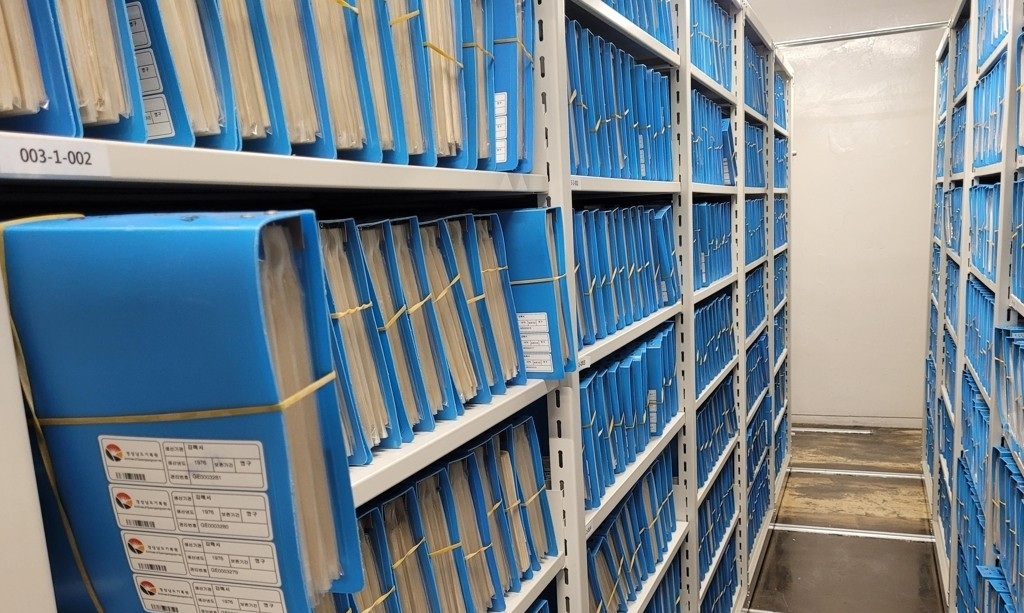
Public institutions including provincial education offices showed overall improvement in records management, with the share of top-rated institutions rising while the share of bottom-rated ones fell.
The Ministry of Interior and Safety reported the results of its 2026 records management institutional evaluation to the Cabinet on Tuesday and made them public. The assessment covered 230 institutions — 17 metropolitan and provincial offices of education, 176 district education support offices and 37 government-affiliated public institutions — and evaluated their records management performance from January through December 2025.
The overall average score came to 87.5, up 3.4 points from the 2024 evaluation. The share of institutions receiving the top rating — Grade A — rose 11.9 percentage points, while the share receiving the bottom rating — Grade E — fell 7.3 percentage points, indicating a broad improvement in records management standards.
The number of Grade E institutions dropped sharply, from 46 in the 2024 evaluation to 29 in this year's assessment.
By institution type, metropolitan and provincial offices of education averaged 94.8 points and government-affiliated public institutions averaged 88.1 points — both relatively strong scores — while district education support offices averaged 79.6 points, a somewhat lower result.
Among the 17 metropolitan and provincial offices of education, 16 received Grade A, reflecting an exceptionally high standard. Among the 37 government-affiliated public institutions, 34 scored Grade B or above, indicating that most were in good standing.
District education support offices, however, showed a more pressing concern: 29 of the 176 institutions received Grade E, signaling an urgent need to improve their records management practices.
The National Archives of Korea under the Ministry of Interior and Safety plans to provide every evaluated institution with a comprehensive results summary and an institution-specific analysis report, enabling each to review and address gaps across individual indicators.
Institutions that performed well will be recognized through a formal merit review, with commendations to be awarded in the first half of 2027. For institutions that fell short, experts will conduct on-site, tailored consulting sessions and work with them to develop practical improvement plans.
"It is encouraging that overall records management standards have improved through this evaluation, but institutions that are still falling short need effective support," Interior and Safety Minister Yun Ho-jung said. "Through thorough, customized consulting and compliance with statutory obligations, we will lead all public institutions to build a transparent records ecosystem that the public can trust."
The records management institutional evaluation, conducted on a biennial rotating basis by institution type, was introduced in 2007 to assess the state of records management at the institutional level.
The evaluation covers three areas — the operational foundation for records management, the execution of records management tasks, and each institution's own priority records management initiatives — and applies 11 to 16 quantitative and qualitative indicators. These include the adequacy of dedicated organizational structures, staffing and task allocation, the implementation and completion of records management education, and compliance with procedures for appraising and disposing of records. Institutions are assigned ratings from Grade A to Grade E.
The full details of the 2026 records management institutional evaluation results are available on the National Archives of Korea website.
thlee@heraldcorp.com