City to apply lessons from Chinese industrial sites
Pursues 'Northeast Asia energy logistics hub' vision
Autonomous driving cases to inform traffic policy
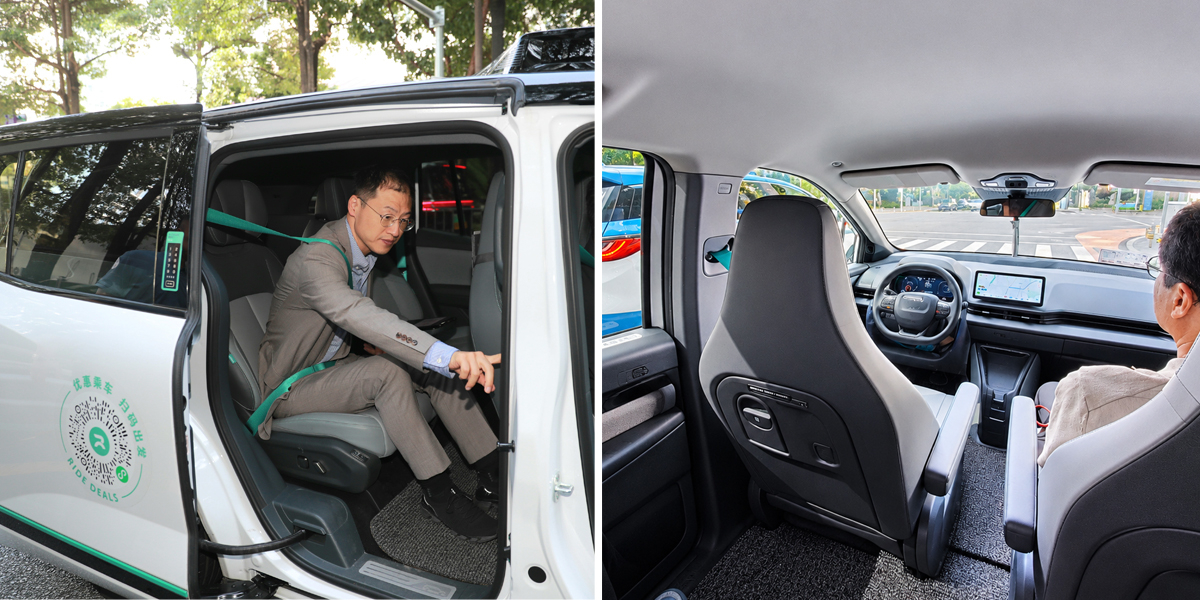
Ulsan plans to develop concrete policies on floating offshore wind power, green hydrogen and urban AI transformation, drawing on best practices identified during a field investigation of China's offshore wind and autonomous vehicle sectors.
Mayor Kim Sang-uk led an economic delegation to Zhongshan, Yangjiang and Shenzhen in Guangdong Province from Thursday to Sunday. The city plans to share the industrial and policy trends observed with relevant departments, agencies and companies, and link the findings to existing initiatives — including its "Northeast Asia Energy Logistics Hub" and "Urban AI Transformation Nexus (AX NEXUS) Ulsan" programs — to chart a course for technology development, demonstration projects and urban mobility services.
Specific areas under review include strengthening supply chain cooperation with local companies in floating offshore wind power, linking floating offshore wind and green hydrogen to an energy hub at Ulsan New Port, clustering water electrolysis technology development and demonstration facilities, expanding hydrogen use across urban, land, maritime and power-generation sectors, and introducing autonomous driving.
On Thursday and Friday, Kim and the delegation visited Zhongshan and Yangjiang at the invitation of MingYang Smart Energy Group, a leading Chinese renewable energy and wind power company. They inspected floating offshore wind technology and offshore generation complexes and explored cooperation with the mayors of both cities.
On Saturday, the delegation visited Shenzhen to observe urban autonomous driving services in operation, including self-driving taxis run by Baidu, China's leading internet and AI technology company.
Based on these findings, Ulsan plans to establish a "local company supply chain council" in the floating offshore wind sector, bringing together power developers, local firms and related agencies. The body would serve as a communication channel connecting local businesses to a 3.5-gigawatt floating offshore wind project under development off the Ulsan coast.
The city also intends to draw on Shenzhen's experience — which includes building a regulatory regime for autonomous vehicle road operation and commercial licensing, fully electrifying city buses, expanding charging facilities and integrating power grid connectivity — and apply those lessons in ways that align with Ulsan's key industries of automobiles, shipbuilding and petrochemicals.
Ulsan plans to incorporate the findings into its "Urban AI Transformation Nexus Ulsan" policy, which aims to develop a future transportation system where manned and unmanned vehicles coexist and to advance urban mobility services for residents.
cityblue@heraldcorp.com