Settlement possible by year's end; refiners have 30 days to appeal
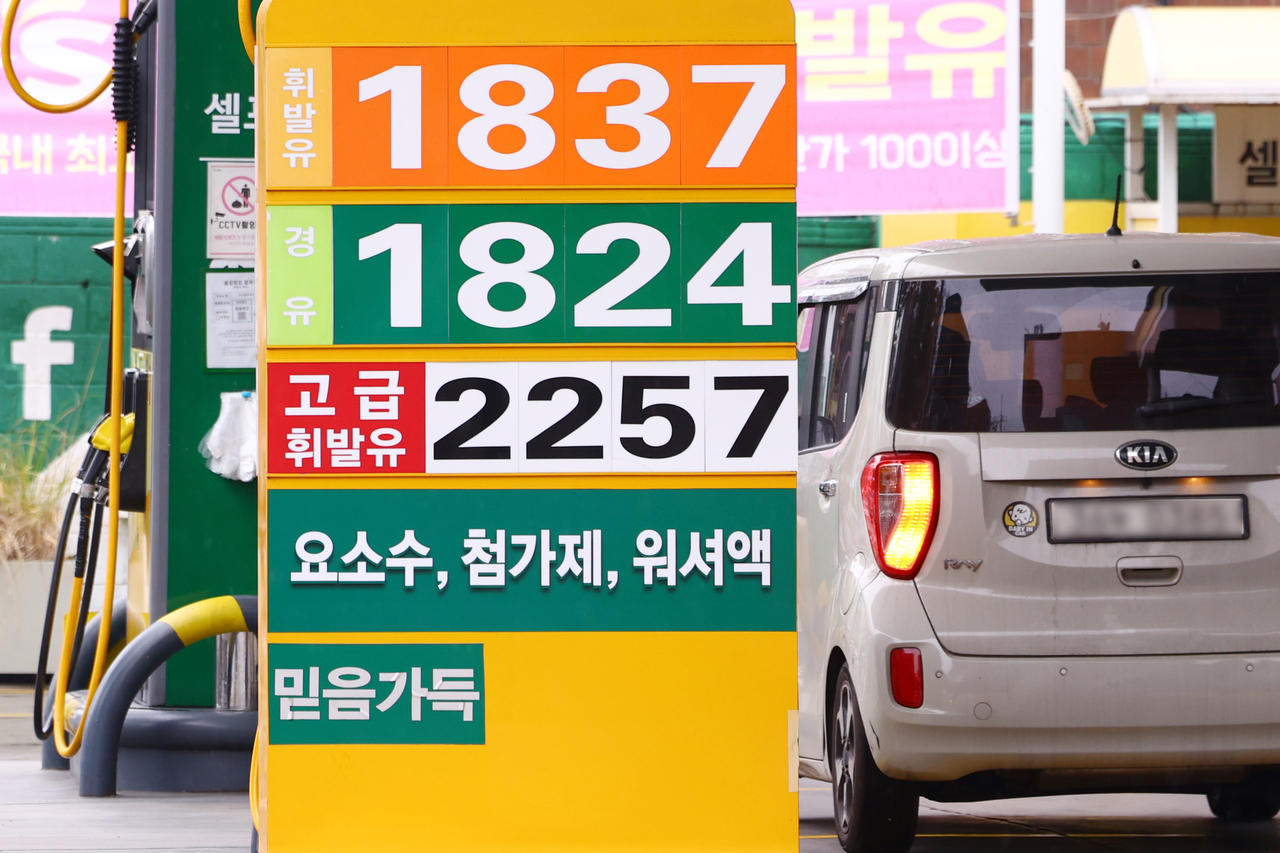
The government will this month calculate for the first time the compensation owed to domestic oil refiners for losses incurred under the oil price cap introduced after the outbreak of the Middle East war.
Given the ongoing disagreement between the government and the refining industry over how to calculate the settlement, the process is expected to be contentious.
According to the government Monday, the Ministry of Trade, Industry and Energy plans to complete the first-round settlement calculation by the end of this month and notify refiners of the results.
The price cap settlement committee has been reviewing loss-compensation applications submitted by refiners to determine eligibility and amounts. The first settlement period covers March 13, when the price cap took effect, through June 30.
Refiners will have 30 days after receiving the results to file an appeal. The government plans to finalize and disburse the amount as early as this year, though the timeline could slip depending on whether appeals are filed.
The central dispute is over what costs qualify and what constitutes a reasonable profit margin. The government and the industry have been at odds over how to calculate loss compensation since the price cap was first introduced.
In June, the government published a regulation on fiscal support for losses arising from the designated maximum oil selling price, stating it would use production costs as the basis for compensation.
Eligible costs include crude oil import expenses — covering the purchase price of crude and petroleum products, freight and insurance — as well as production and sales costs such as depreciation, labor, fuel and domestic retail expenses, along with other related costs.
On top of that, the government specified that "an appropriate level of margin may be taken into account."
The industry, however, has argued that compensation should be based on the Mean of Platts Singapore (MOPS) — the international petroleum product price set by the market — with the gap between that benchmark and domestic prices recognized as the loss.
Even after the government published its regulation, concerns persisted that the standards for allowable costs and reasonable margins remained too vague.
Industry estimates had already suggested cumulative losses could reach 5 trillion won ($3.68 billion) by around June, while the government set aside 4.2 trillion won in contingency reserves based on a six-month implementation of the price cap.
The ministry also allocated 1.4497 trillion won in next year's budget, assuming the price cap would remain in place through the fourth quarter of this year.
"Under the cost-based compensation principle, the settlement amount can be covered within the budget," a ministry official said. "Since this is taxpayer money, we are reviewing it carefully."
oskymoon@heraldcorp.com