Woo Jung-wook, known as 'Seoul Mom' from Netflix's Culinary Class Wars 2, releases a kimbap cookbook
Full recipes from Hyundai Department Store's Gajigaji and GS25 collaboration included
'Seasoning and ingredient pairing matter most — beginners should start with mini kimbap'
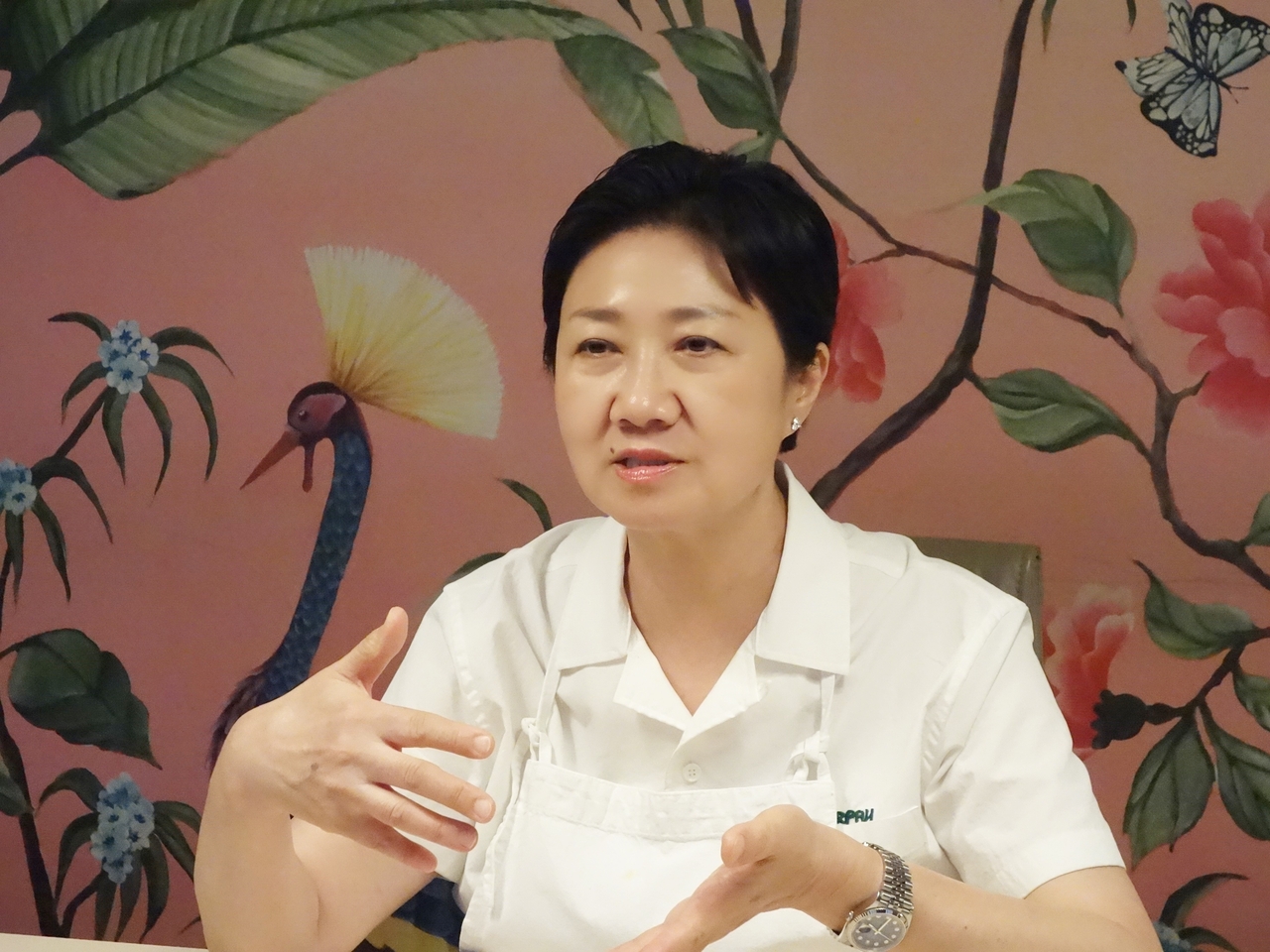
"I've revealed every single recipe from the Gajigaji kimbap menu at Hyundai Department Store and the GS25 kimbap I developed in collaboration with the convenience store chain. I wrote everything in both Korean and English so that people abroad can easily follow along at home."
Chef Woo Jung-wook, owner of Superpan, a hansik restaurant in Gangnam-gu, Seoul, described her 10th book, "The GIMBAP Book," in those terms. "Now that kimbap is drawing attention as a K-food, I wanted to share kimbap recipes that carry the spirit and culture of Korea with the rest of the world," she said.
Woo is widely known by her nickname "Seoul Mom." Her public profile rose sharply after she appeared on Netflix's Culinary Class Wars 2, but before the show she was already called "the cooking teacher of distinguished families" — a nickname she earned after launching home-cooking classes for housewives in Daechi-dong, Gangnam-gu, in 1995.
She now runs Gajigaji, a kimbap specialty shop at the Apgujeong branch of Hyundai Department Store, alongside Superpan. Gajigaji opened in 2024 at the department store's invitation and has ranked first in sales among deli-counter stores in the food court.
GS25 also sells her kimbap. After Culinary Class Wars 2 aired, she collaborated with the convenience store chain to release a bulgogi kimbap priced at 3,800 won, followed by tuna, aged kimchi and spicy pork varieties.
The GS25 kimbap recipes differ from conventional kimbap. "For the spicy pork kimbap, I replaced the usual pickled radish with a pickle made from onions and perilla leaves," Woo said. "The key to the aged kimchi kimbap is frying the Spam until it's really crispy."
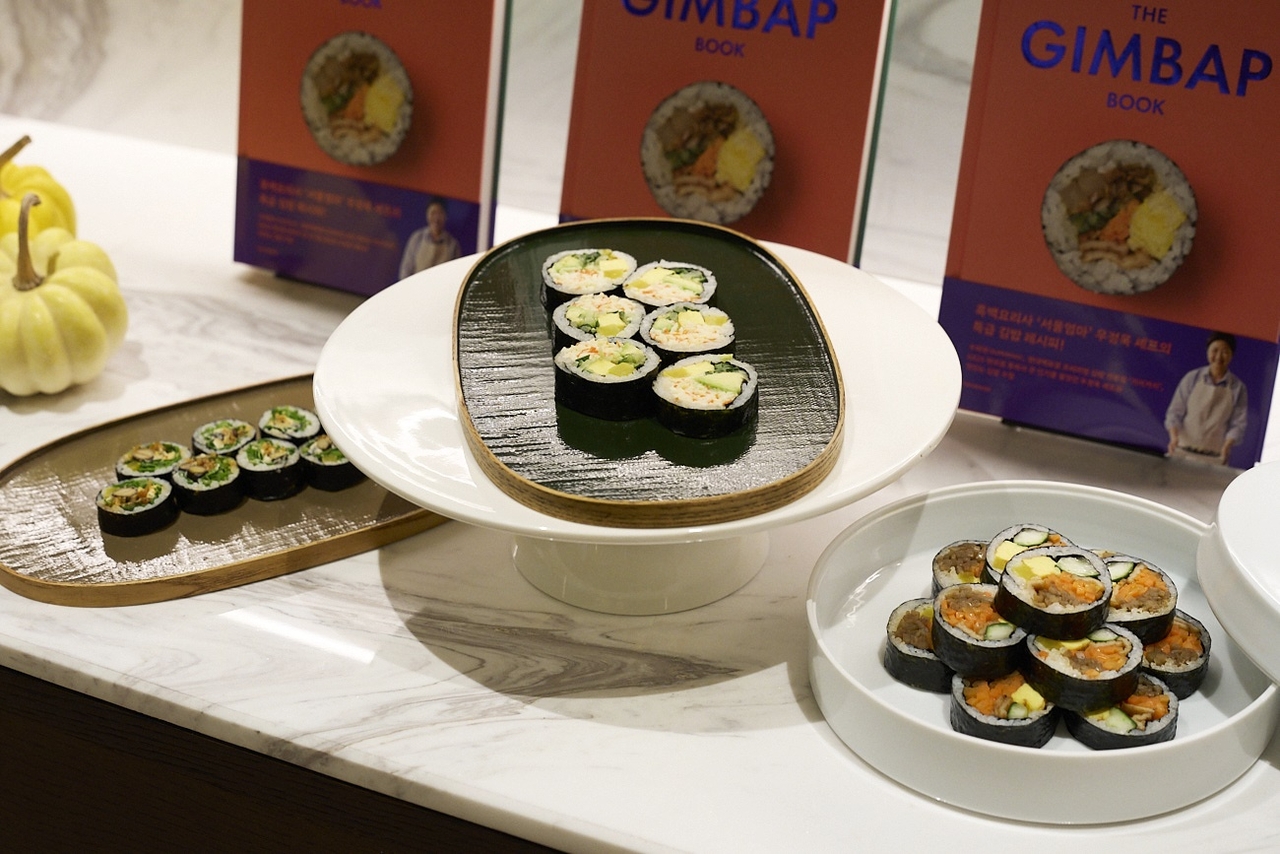
Woo also shared tips for making kimbap at home. The essentials, she said, are ingredient pairing and seasoning. "More ingredients don't automatically mean better kimbap," she said. "If the seasoning is right and the ingredients complement each other, just a few will do."
For beginners, she recommends mini kimbap with only three fillings — either bulgogi, egg and pickled radish, or pickled ginger, egg and pickled radish.
She also offered rolling tips. "Sealing the end of the seaweed with a flour paste instead of a grain of rice keeps it from coming apart," Woo said. She added that the rice should be cooked firm rather than sticky, and that store-bought burdock root for kimbap tastes better if you stir-fry it briefly before using it rather than adding it straight from the package.
Foreign visitors to her store have increased in recent years. Kimbap was once called a "Korean sushi roll," but Woo is firm that kimbap and Japanese maki are entirely different. She described the sesame oil used in kimbap as a "masterstroke," explaining that mixing it into the rice adds a nutty richness — and that Korean dried seaweed, used to wrap the roll, is tastier and more tender than other varieties.
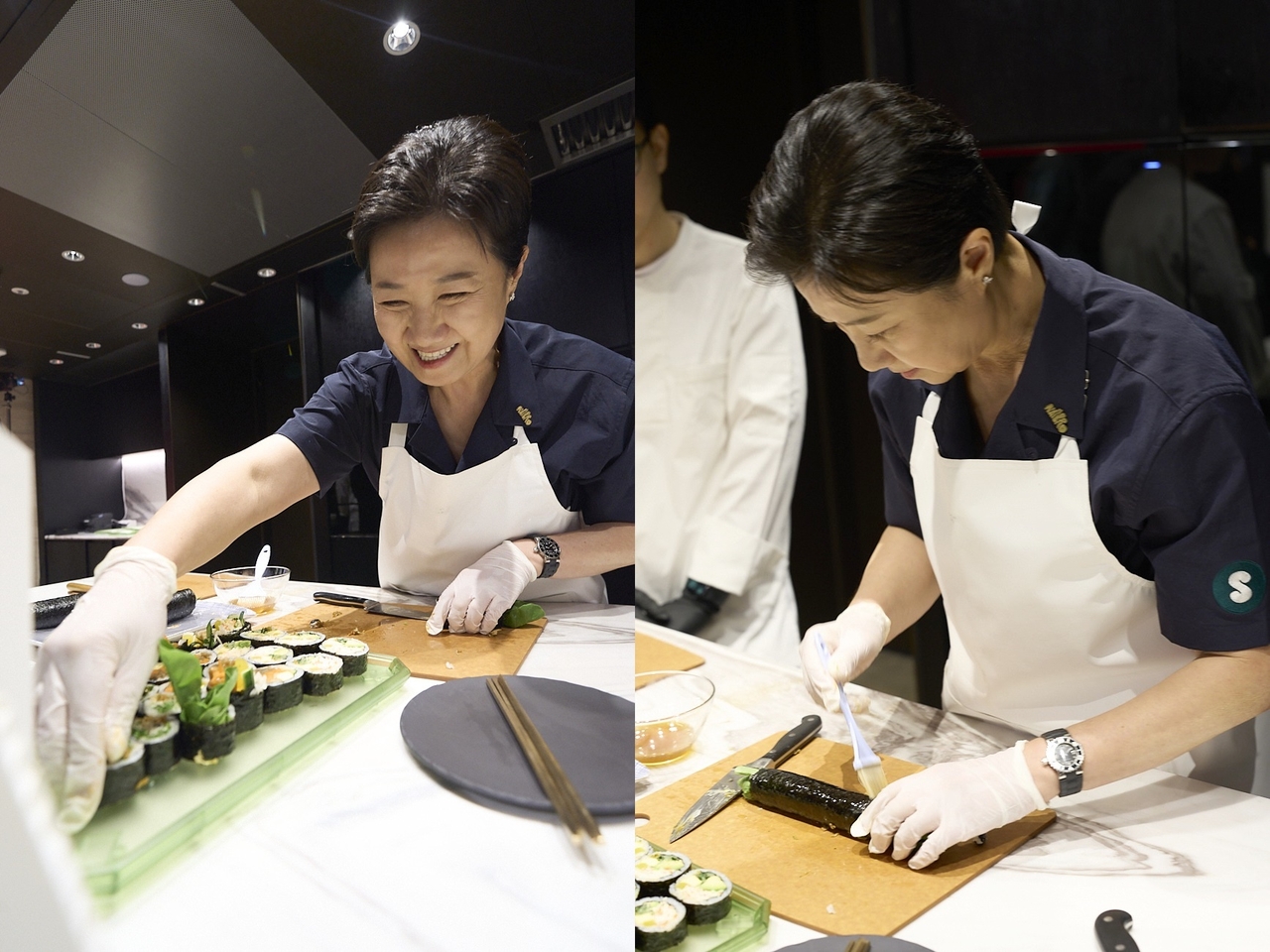
Woo is also deeply invested in spreading K-food through kimbap. In October, she co-hosted the "Kimbap Naro Gathering" with Naro Hagwon, a nonprofit hansik research institution, to explore kimbap's cultural value and potential for global reach. About 120 chefs and food industry figures attended.
For kimbap's path in the global market, Woo proposed two directions: premiumization through fresh, high-quality ingredients, and expanding kimbap's versatility as party food and beyond. "If you use fresh, high-quality ingredients — fish cakes with a high fish content, or fine sesame oil — kimbap can become a premium food," she said. She sources dried radish greens directly from Yanggu in Gangwon Province, dresses them in perilla oil, and uses premium anchovies from Tongyeong in South Gyeongsang Province.
Kimbap made with quality ingredients lends itself well to events as finger food. "Kimbap has always been there for special occasions — birthdays, celebrations, picnics," Woo said. "Clean-tasting mini kimbap, like pickled ginger kimbap or dried gourd kimbap, pairs beautifully with wine or champagne." She added that kimbap also goes well with Western ingredients such as caviar, mascarpone, cheddar cheese and arugula, opening up broad possibilities for menu development.
Woo closed with a broader wish for the dish. "Kimbap takes a lot of hands-on effort, which means it carries real affection and care — that makes it fitting for special occasions, but it's also an everyday food you can grab and eat on the go," she said. "I hope kimbap becomes widely known abroad as a food that is both special and convenient."

gorgeous@heraldcorp.com