Partnership to integrate Nvidia's Hyperion platform and Halos safety system
Technology to be deployed first in Kia's PBV vehicles
Companies aim to set global standards and speed commercialization
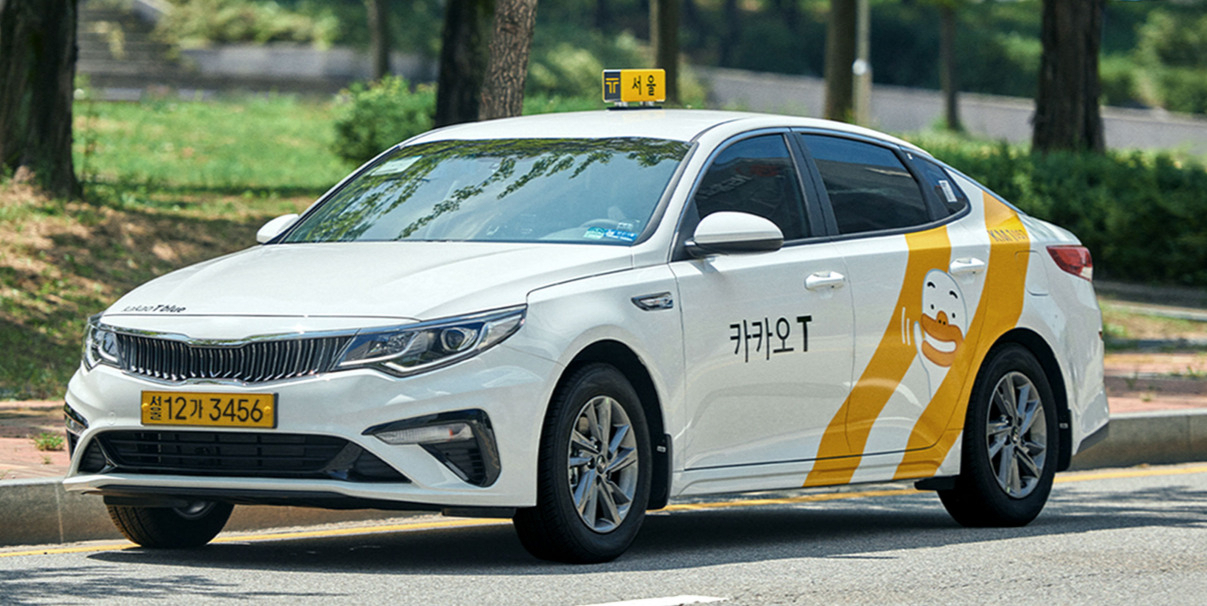
Kakao Mobility is joining forces with Nvidia to advance Level 4 autonomous driving technology.
The partnership will combine Kakao Mobility's proprietary autonomous driving technology with Nvidia's computing, sensing and safety systems, integrating them into Kia's purpose-built vehicle (PBV) lineup.
Through the alliance, Kakao Mobility aims to establish a foundation aligned with global technology standards and push toward full commercialization of autonomous driving.
Kakao Mobility announced Monday that it signed an MOU with Nvidia for autonomous driving technology cooperation at the Westin Seoul Parnas in Gangnam-gu, Seoul.
At the core of the agreement is the integration of Nvidia's high-performance computing infrastructure and optimization technology into Kakao Mobility's autonomous driving AI models. The two companies plan to use this foundation to build a Level 4 autonomous driving system that meets global standards.
The companies expect the collaboration to bring the era of Level 4 autonomous driving closer in the South Korean market. They also plan to keep the door open for potential expansion into global autonomous driving markets over the medium to long term.
On the technical side, Kakao Mobility is developing end-to-end autonomous driving AI technology that connects perception through decision-making within a single model.
To support this, the company plans to introduce a high-performance autonomous driving computing unit (ADCU) equipped with two NVIDIA DRIVE AGX Thor processors, capable of handling large-scale AI computations in real time.
Based on Nvidia's Hyperion sensor and computing reference architecture, Kakao Mobility will also work to ensure system stability and compatibility among the vehicle, sensors and ADCU for Level 4 autonomous driving, while pursuing further optimization.
The company intends to apply NVIDIA Halos, Nvidia's integrated safety system, to achieve the highest level of safety by global standards.
The two companies plan to deploy their combined technology in Kia's PBV vehicles first, with the goal of developing and supplying vehicles for Level 4 autonomous driving services. Kakao Mobility had previously signed a partnership with Kia in July to develop PBVs for autonomous driving services.
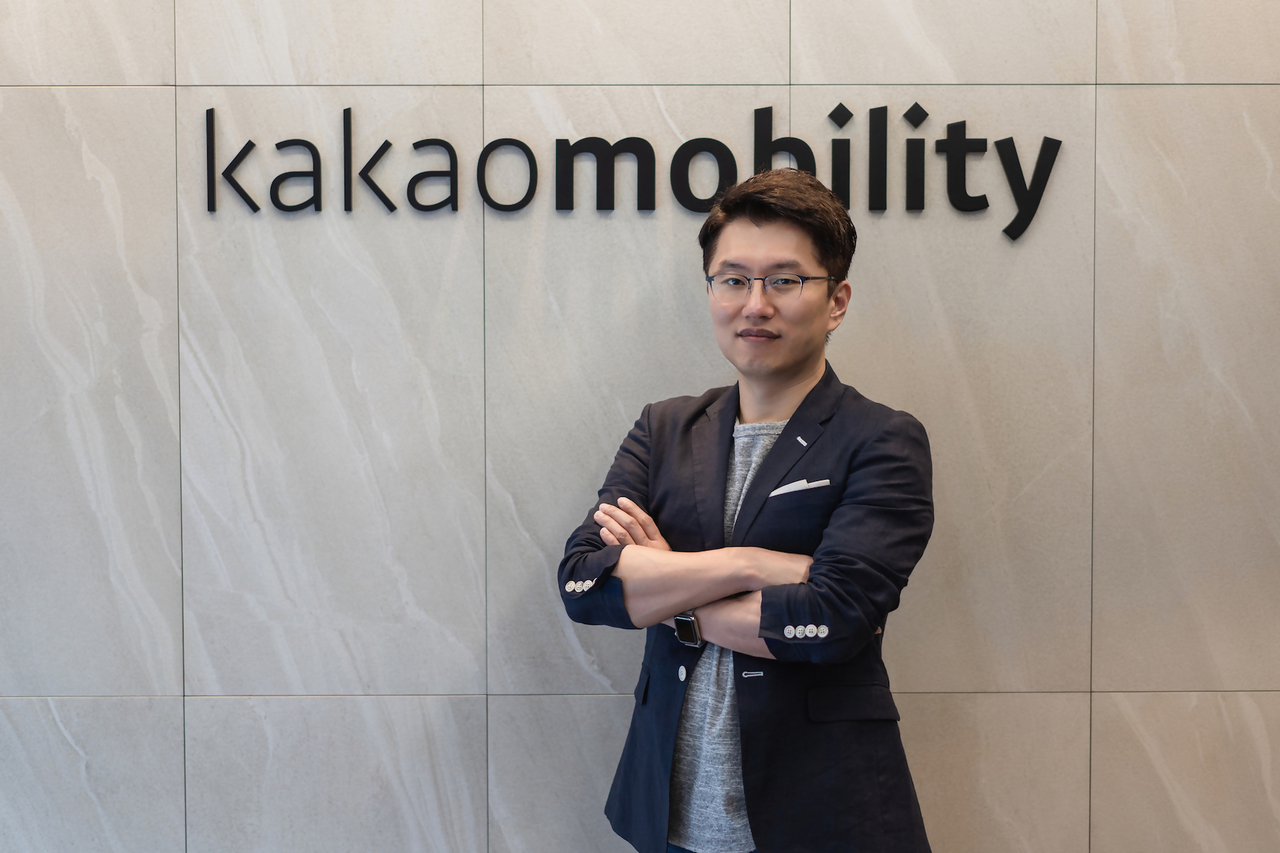
"Through this collaboration with Nvidia, we will accelerate the advancement of autonomous driving and prepare for the era of Level 4 commercialization as a hub of the global technology ecosystem connecting software, components and finished vehicles," Kakao Mobility CEO Ryu Geung-sun said.
Rishi Dhall, vice president of automotive at Nvidia, said he hopes the partnership will help accelerate the development of safe and scalable autonomous driving services in South Korea.
The collaboration is also expected to give fresh momentum to Kakao Mobility's physical AI business. The company has been investing in autonomous driving and robotics as key pillars of its future growth strategy.
Kakao Mobility currently operates its own technology-based autonomous vehicle service, Seoul Autonomous Vehicle, in the Gangnam-gu area of Seoul, using its existing platform's ride-hailing and dispatch systems for autonomous driving services. The company has been expanding its physical AI applications — most recently entering into a technology development partnership with the Army to integrate drones, robots and unmanned vehicles into a unified management system.
sjpark@heraldcorp.com