MOU signed with Jeonnam-Gwangju integrated city, Chonnam National University and GIST
Partners to develop demand-responsive transit and autonomous shuttle services
PV5 to be used for remote-driving and vehicle-conversion technology pilots
Kia plans to build next-generation production system at AutoLand Gwangju
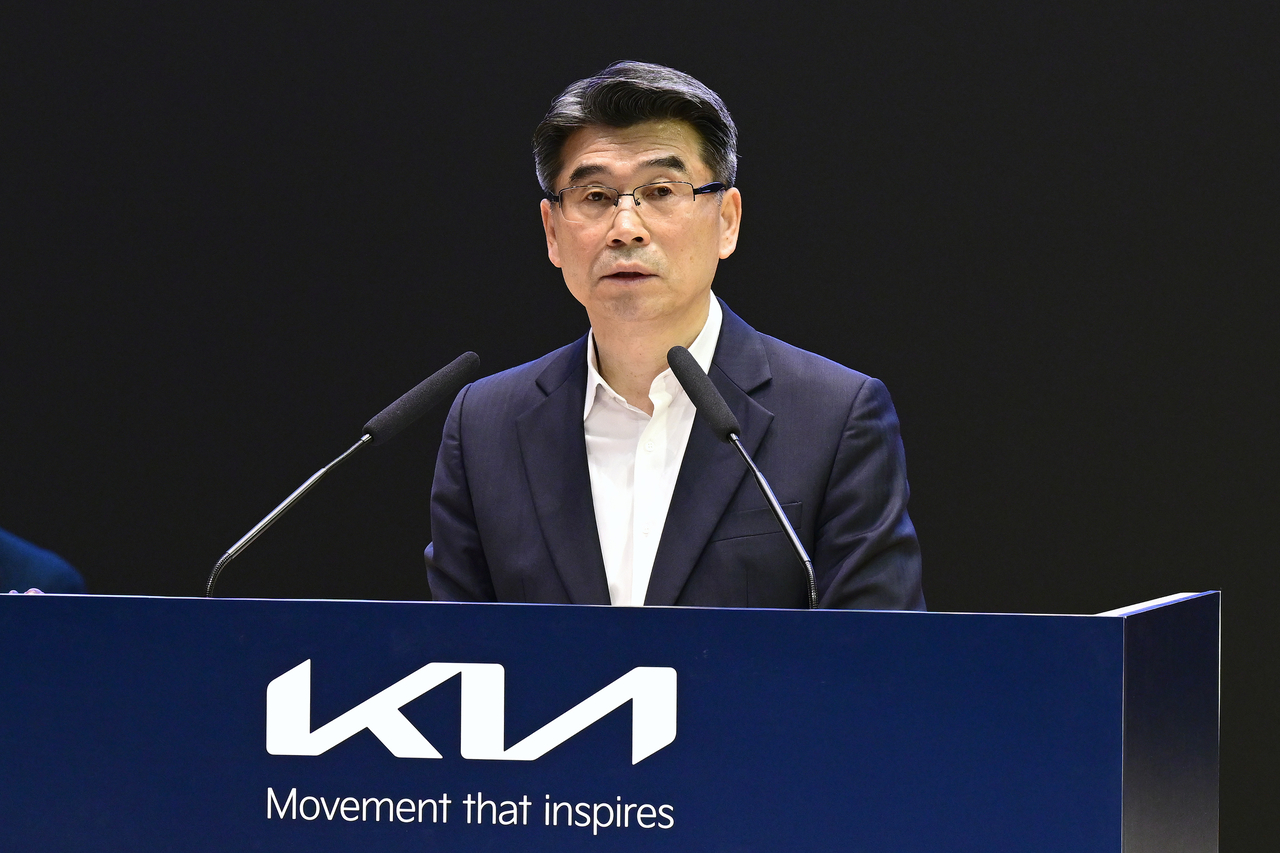
Kia will pilot autonomous shuttle and remote-driving technologies under a purpose-built vehicle initiative in the Gwangju area, collaborating with local universities and research institutions on everything from vehicle development to real-world technology validation. The automaker also plans to invest about 3 trillion won ($2.24 billion) in AutoLand Gwangju by 2029 to expand its future vehicle production capacity.
Kia signed a memorandum of understanding Friday at AutoLand Gwangju with the Jeonnam-Gwangju Integrated Special City, Chonnam National University and the Gwangju Institute of Science and Technology (GIST) to build a PBV-based future mobility industry ecosystem.
The signing ceremony was attended by Kia President and CEO Song Ho-sung, Jeonnam-Gwangju Integrated Special City Mayor Min Hyeong-bae, Chonnam National University President Lee Geun-bae and GIST President Im Gi-cheol.
The core of the agreement is to apply Kia's PBV technology to local transportation and logistics services and, together with the universities and research institutions, explore commercialization opportunities. The plan goes beyond vehicle manufacturing to test autonomous driving and remote-driving services in real operating environments.
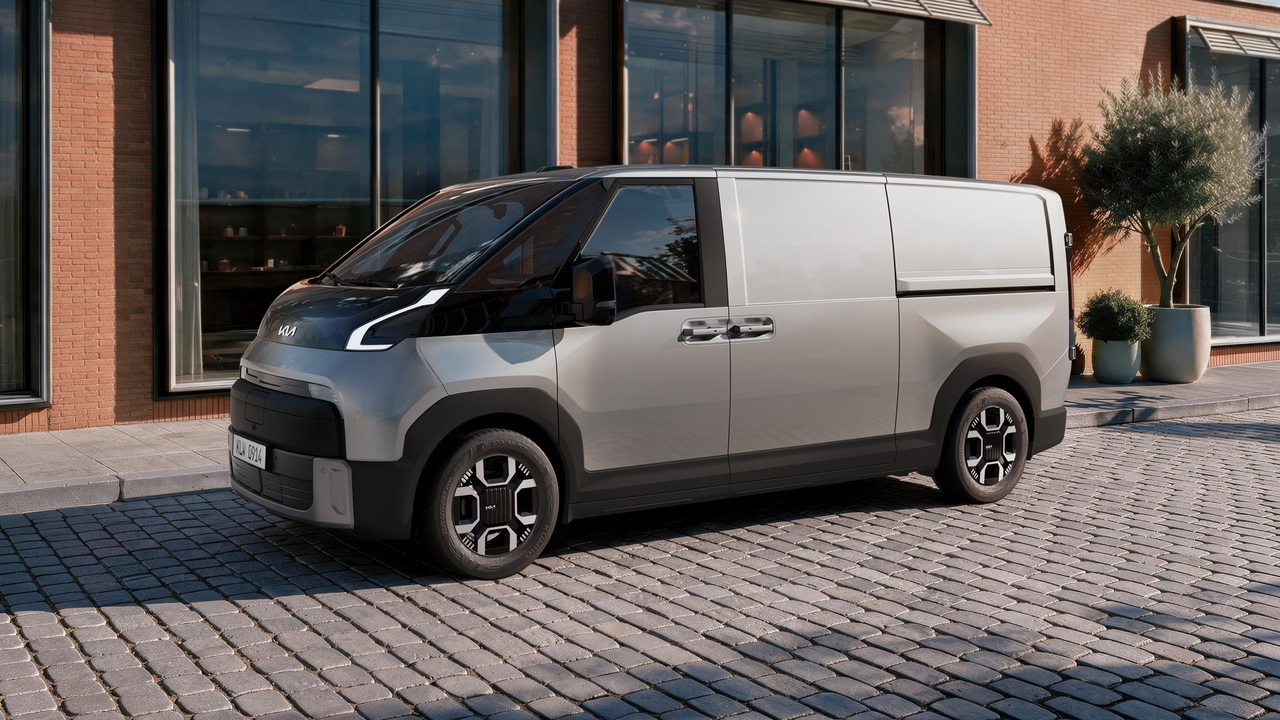
A PBV is a purpose-built vehicle designed for specific tasks such as passenger transport or cargo delivery. Because its interior layout and body structure can be configured in multiple ways from a single platform depending on intended use, PBVs are well suited for commercial and public transit applications.
As a first step, Kia and its partner institutions will work to develop a dedicated vehicle for demand-responsive transit (DRT).
Unlike conventional buses that run fixed routes on a set schedule, DRT adjusts its route in response to passenger requests or reservations. It is particularly useful in areas with limited public transit access or unpredictable ridership demand.
An autonomous driving-equipped PBV shuttle service is also among the planned pilots. The partners will assess the feasibility of deploying autonomous driving technology in real operating conditions and explore ways to eventually scale it into a broader transit service.
Remote-driving technology for passengers with mobility challenges will also be developed under the agreement.
Kia plans to pilot remote-driving technology using the PV5 WAV, a variant designed to accommodate wheelchair users. Remote driving allows an operator outside the vehicle to control it without being physically on board.
The PV5 WAV is an electric vehicle for which Kia began taking domestic orders in January. It features a side-entry system that allows wheelchair users to board from the sidewalk without descending to the roadway.
Integrating remote-driving technology through this agreement is expected to improve mobility for passengers with disabilities.
The partners will also validate Kia's "EasySwap" technology, which allows a single PBV to serve multiple purposes — for example, switching a vehicle from freight delivery to passenger transport.
The goal is to reduce the burden of operating separate fleets for different functions and to examine whether vehicles can be deployed more efficiently as demand shifts.
Beyond autonomous driving and vehicle operations, Kia and its partners agreed to explore cooperation in environmental and energy fields, including climate change response and the expansion of renewable energy.
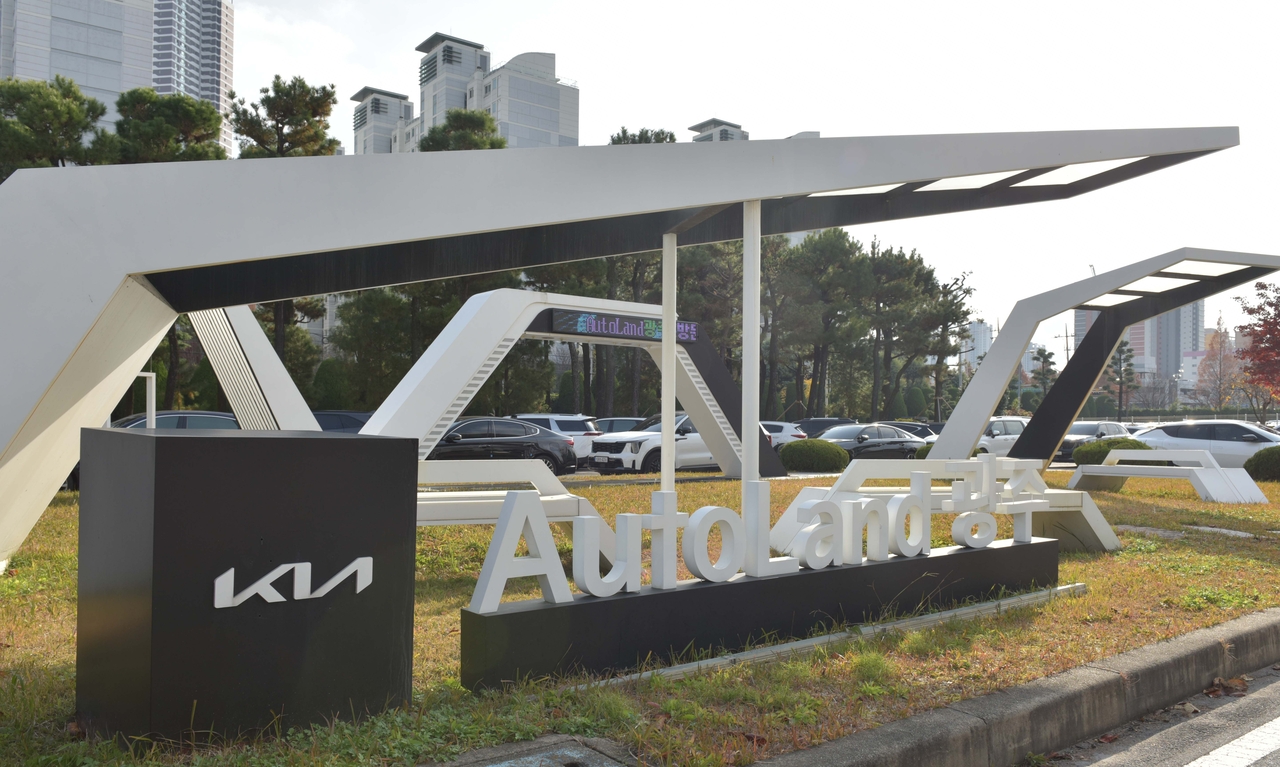
A large-scale investment push to transition Gwangju toward future mobility is now underway.
Kia plans to invest about 3 trillion won in and around AutoLand Gwangju through 2029. The company intends to build a production system incorporating advanced manufacturing technologies while expanding electric vehicle output and conducting autonomous driving pilots.
The strategy aims to strengthen the existing vehicle production hub's readiness for next-generation mobility while securing a technology development and validation base through partnerships with local universities and research institutions.
"This agreement will serve as a catalyst for accelerating the development and commercialization of PBV-based future mobility technology," Song said. "Through building a future vehicle production system and expanding our PBV business, Kia will contribute to making the Jeonnam-Gwangju Integrated Special City a leading hub for future mobility in South Korea."
kwater@heraldcorp.com