Domestic market forecast at 49 trillion won by 2027 as retail eyes new growth
Wellness spending expands from skincare to diet and rest
Duty-free shops, department stores and beauty brands chase health-conscious demand
It no longer stops at applying cosmetics and caring for the skin. People are sweating it out at the gym, unwinding in saunas afterward and choosing meals with a careful eye on nutrients. The range of spending devoted to nurturing a healthy body and mind keeps growing — driven by the rise of "wellness" as a new consumer standard that goes beyond outward beauty to encompass physical and mental well-being.
According to market research firm Euromonitor, South Korea's wellness market is projected to reach $36.5 billion (49 trillion won) by 2027, an 18 percent increase from 2021. With health awareness heightened in the wake of COVID-19, wellness spending is spreading into virtually every corner of daily life.
The retail industry has been quick to ride the trend. Department store food halls have reinvented themselves as spaces that propose nutritionally balanced meals. The beauty industry is expanding its product lineup beyond the face to cover the scalp and body. Duty-free operators are also adding products and content centered on healthy lifestyles.
In beauty, the scope of care is broadening from the face to the whole body. As skincare demand has grown more granular — extending to the scalp, body and individual body parts — product ranges have diversified accordingly.
LG H&H launched Vclinics, a brand that applies facial skincare ingredients to body care, and is targeting functional concerns with 46cm, a brand focused on reducing body odor. Amorepacific introduced the Happy Bath "Daljam" line, which combines fragrance with barrier moisturization and is designed with psychological comfort in mind. More recently, the company unveiled a goat-milk body wash and body lotion aimed at the surge in moisturization demand during the change of seasons.
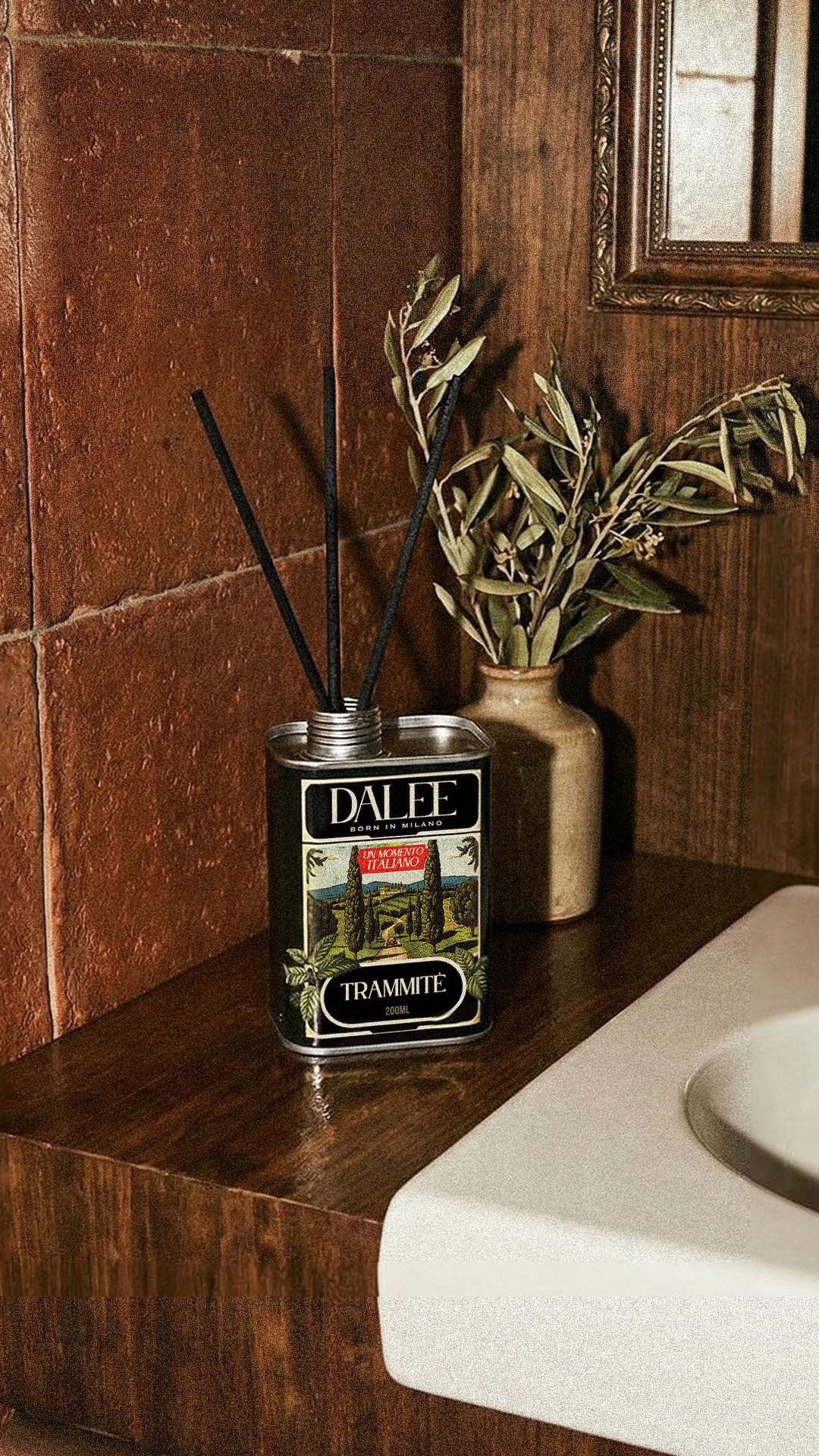
The duty-free sector is also strengthening its wellness lineup. Shinsegae Duty Free has expanded its body care and fragrance brand offerings on its online mall, adding Swiss body care brand Swissyouth, Thai aroma brand Khao Kho Talaiphu, Italian fragrance brand Dalee and fragrance brand Unkind Home. The move extends its product range beyond the traditional cosmetics-and-perfume focus to include items for body care and everyday relaxation.
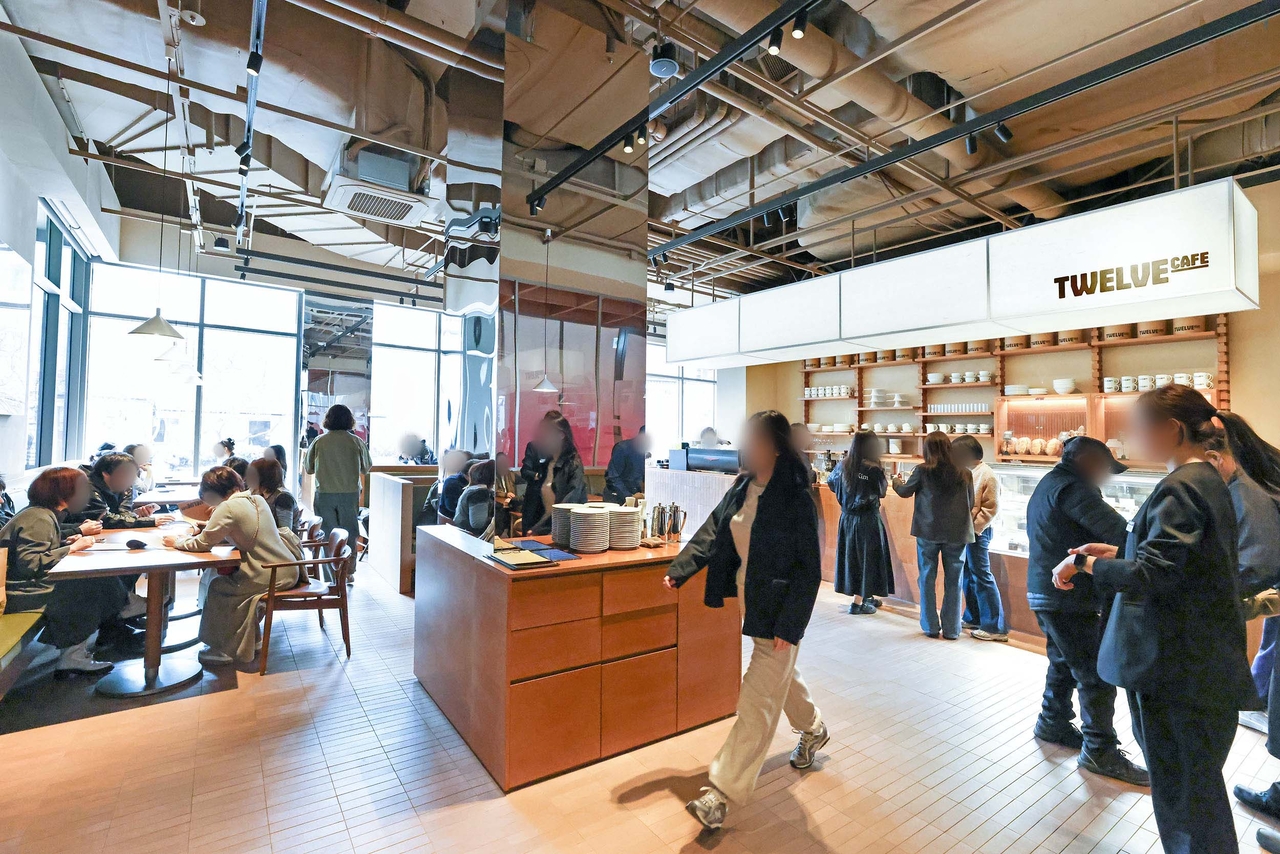
Food offerings are changing as well, as more consumers factor nutritional balance and health into their meal choices rather than taste alone. In the department store sector, Shinsegae Department Store's Twelve stands out as a prime example. Located at House of Shinsegae Cheongdam, Twelve positions itself as a wellness platform that promotes healthy eating and lifestyle choices.
Twelve carries more than 40 varieties of freshly pressed juices and smoothies, along with a deli menu offering some 900 combinations. To help customers choose meals suited to their tastes and health conditions, it stocks domestic and international brands — as well as its own private-label products — covering high-protein, low-glycemic and organic options. Products that highlight the natural flavors of whole ingredients, such as olive oil, health snacks and clean snacks, have proven popular. The Twelve Kitchen inside the store surpassed 800,000 cumulative visitors through late October since opening.
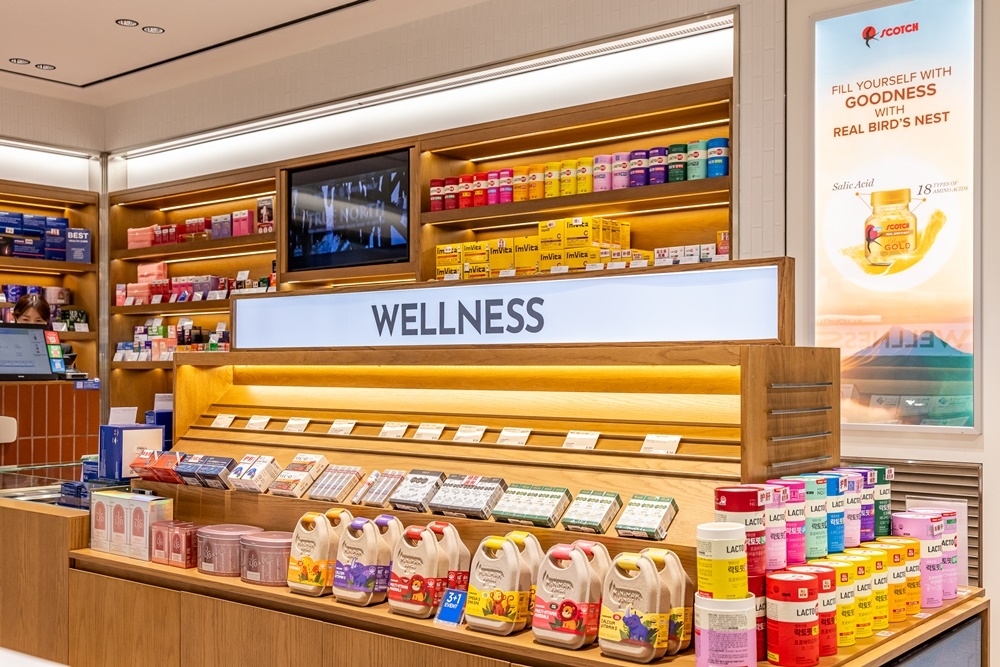
Supplement consumption is also evolving. Health management that once centered on staple ingredients such as vitamins and probiotics has broadened into personalized, targeted nutrition. According to Shinhan Card's big data research institute, the health-related ingredients that saw the largest year-on-year increase in mentions this year were dietary fiber, calcium, enzymes, biotin and chondroitin, in that order. According to Korea Distribution Statistics, sales of health supplements in the third quarter of last year rose 12.5 percent from the same period the previous year.
The growth of dedicated wellness platforms is also drawing attention. The number of products available through CJ Olive Young's Olive Better — sold both online and in stores — has grown from roughly 13,000 at launch to about 20,000 now. After opening a Seongsu store in October, the brand continues to add locations. Wellness product sales in September were up 51 percent compared with February, shortly after launch, with shot-format product sales in August surging 131 percent over the same February baseline.
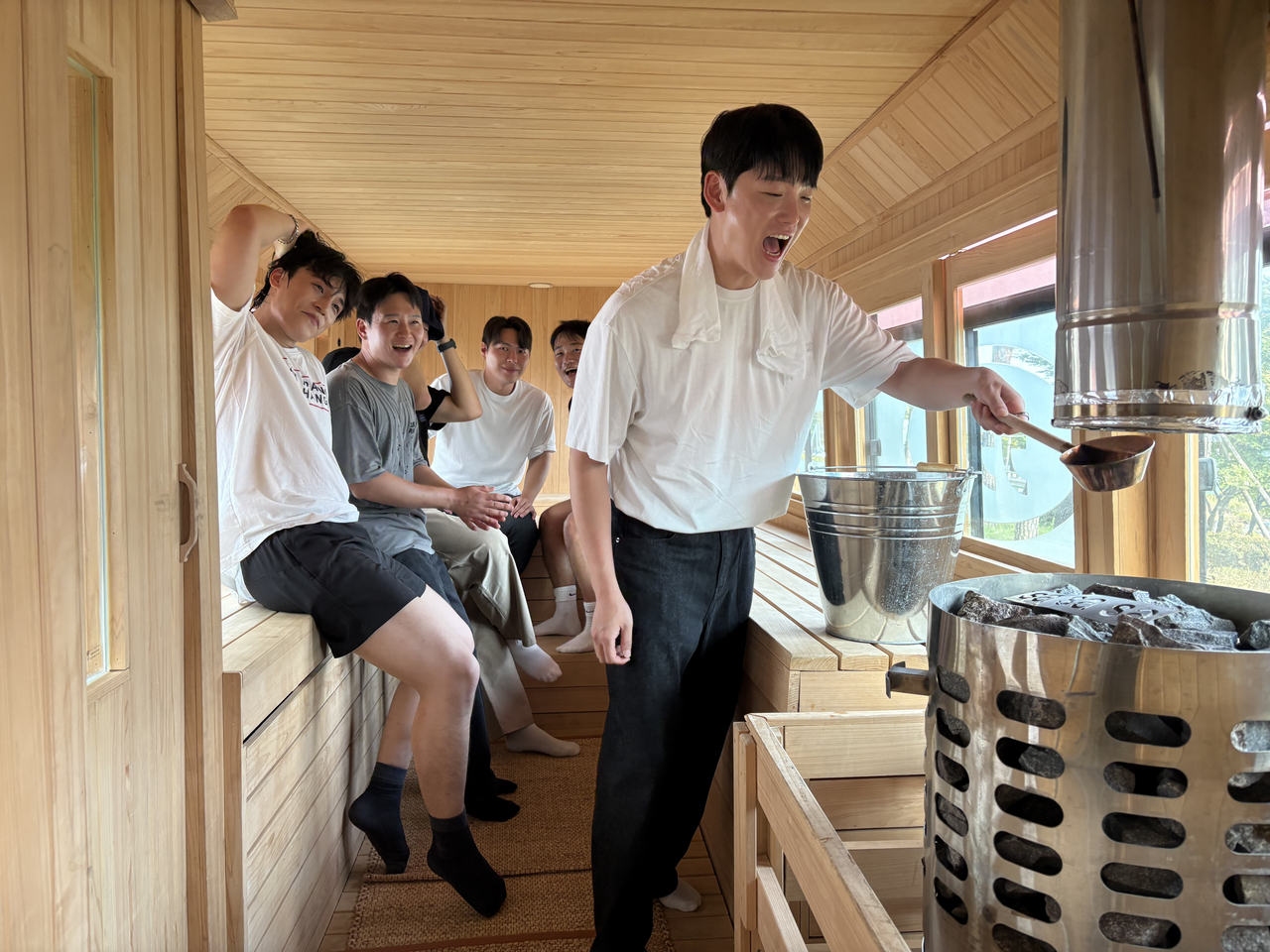
The scope of health management has expanded into rest and recovery as well. Shinhan Card data shows that sauna visits in the first three months of this year rose 25.0 percent from the same period in 2023, with people in their 20s posting the steepest increase at 26.5 percent — the highest of any age group. Experiential content combining exercise and recovery has also emerged. At its "Day Out" event in October, Lotte Department Store set up a spa bus so participants could experience recovery right after working out.
"Wellness is set to take root as a new growth area across the retail industry, going beyond a trend confined to specific product categories," an industry official said. "When choosing products, consumers are now weighing not just ingredients and functions but also the health satisfaction and experiences they can gain in their daily lives."

siuu@heraldcorp.com