Gangwon Provincial Assembly lawmaker Park Ki-young calls on fire authorities to protect golden-hour response times for core emergencies
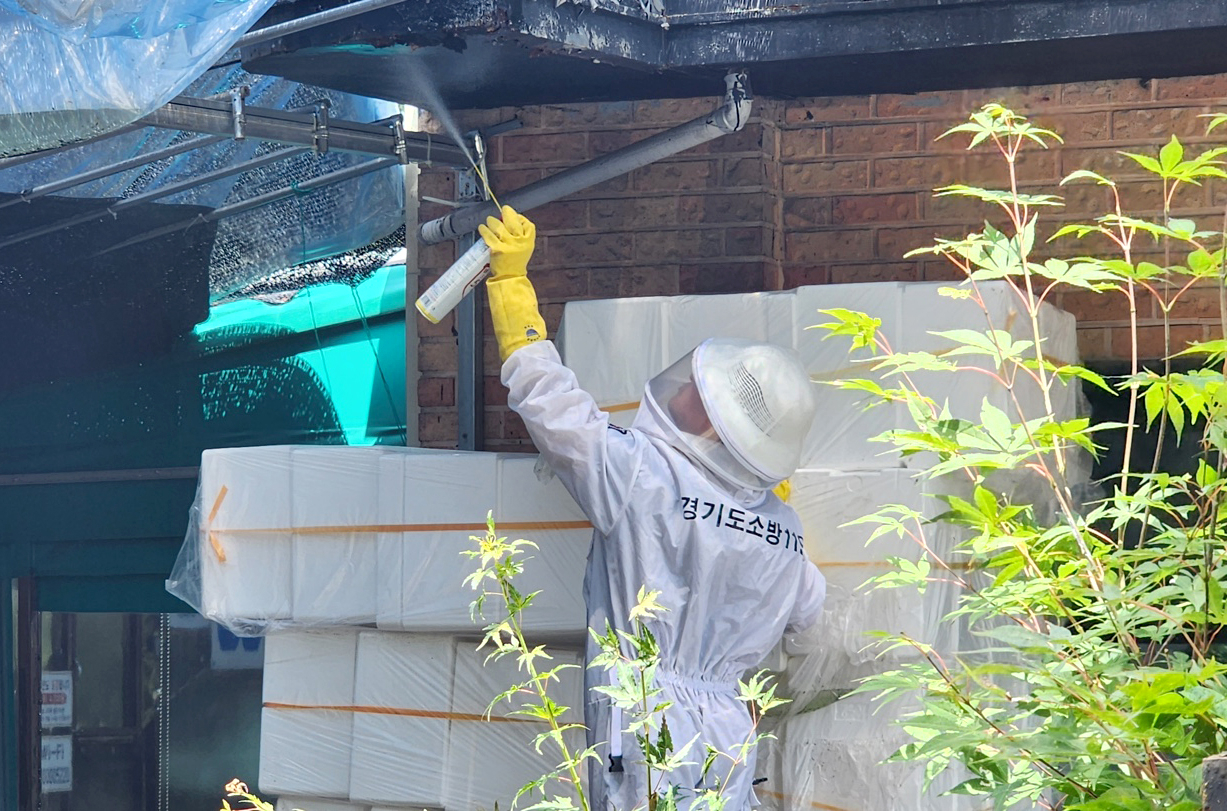
Firefighters in Gangwon Province responded to wasp nest removals 14,961 times in the first nine months of this year, according to data presented at a provincial assembly audit Thursday.
They also turned out 2,569 times to catch unleashed pets and wild animals.
Park Ki-young, a People Power Party lawmaker on the Gangwon Provincial Assembly's Planning, Safety and Fire Committee representing Chuncheon District 3, raised the issue at an administrative audit of the provincial fire headquarters Thursday, urging authorities to overhaul their response system so that fire crews are not spread thin on low-urgency lifestyle complaints at the expense of golden-hour response times for fires and rescue operations.
Data submitted by the Gangwon Fire Headquarters showed that of the 146,948 total fire department dispatches recorded in the province through September this year, 26,691 — about 18.2 percent — were classified as lifestyle safety calls.
That works out to an average of roughly 98 calls a day. Wasp nest removals accounted for the largest share at 14,961 cases, followed by animal captures at 2,569 and lockout assistance at 540.

Park said that when personnel and vehicles are tied up responding to low-urgency calls, a fire or rescue situation breaking out nearby could go without a swift response.
Park added that in Gangwon, where mountainous terrain and rural farming and fishing communities are spread across a wide area, delayed initial responses — caused by other fire units having to travel long distances — could threaten the lives and safety of residents.
Park said dispatchers should distinguish between calls involving an immediate threat from wasps or animals, situations where children or emergency patients are trapped indoors, and routine lifestyle inconveniences. Fire resources, Park said, should be deployed based on actual risk to life and urgency rather than call type.
Park recommended that fire authorities develop effective improvement measures to ensure crews reach the scenes where they are needed most in time, strengthen on-scene response systems to allow rapid deployment of fire resources when emergencies arise, and explore linking lifestyle complaint calls to relevant local government departments or private specialist contractors.
abc@heraldcorp.com