Prosecution Service lawyers already reluctant to accept secondment
'Abolishing investigative powers, then restoring them for one probe, invites fairness challenges'
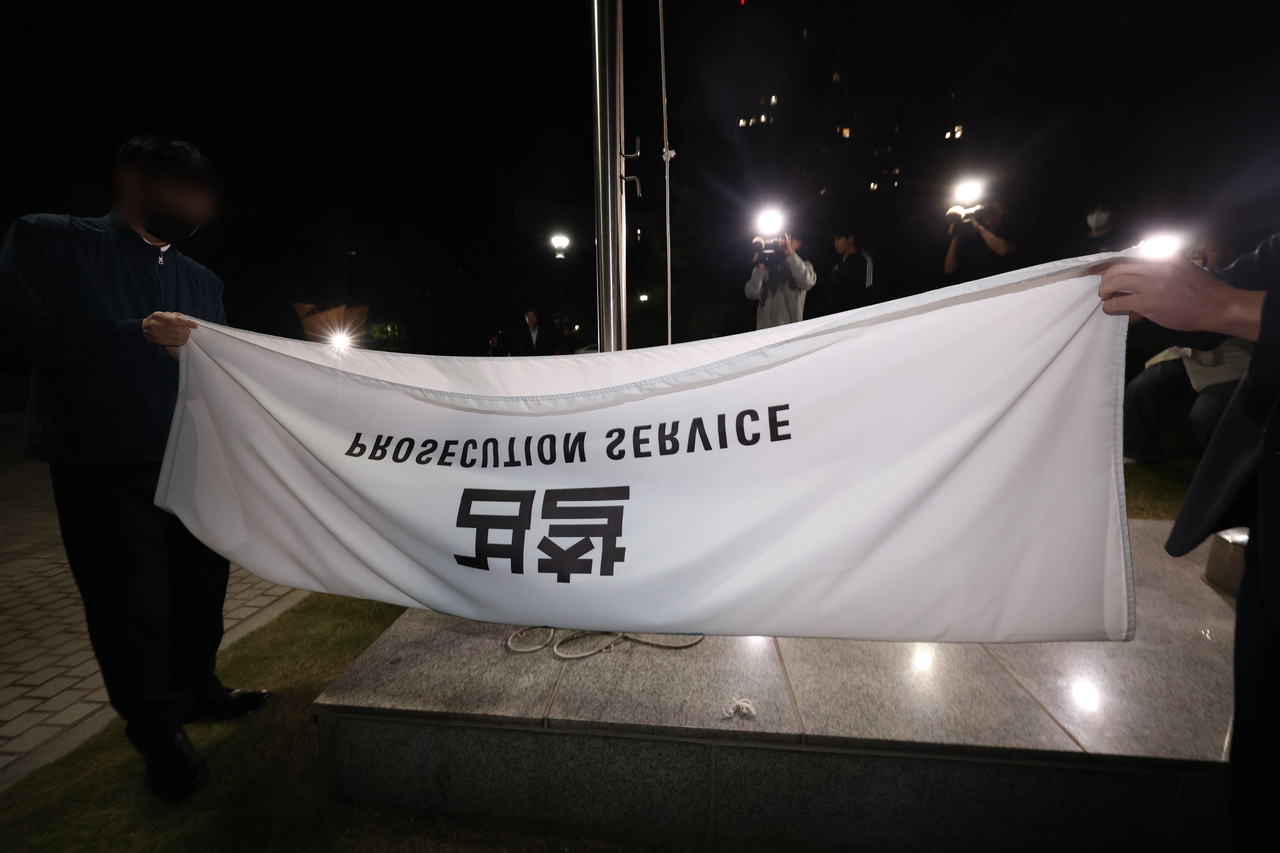
The so-called fabricated-indictment special counsel, championed by the ruling bloc, is expected to struggle from the outset to secure investigators. Because the probe targets the investigative and indictment practices of the former prosecution itself, observers say seconded Prosecution Service lawyers are likely to be even more reluctant to join than they were for earlier special counsel operations. Legal circles also note that the Prosecution Service is already stretched thin following the abolition of the prosecution, adding to the burden it would have to absorb.
The ruling Democratic Party of Korea plans to pass the bill — formally titled the Act on the Appointment of a Special Prosecutor to Investigate Allegations of Fabricated Investigations and Fabricated Indictments by the Prosecution, National Intelligence Service, Board of Audit and Inspection and Other Agencies Under the Yoon Suk Yeol Administration — at a plenary session of the National Assembly on Thursday. The opposition People Power Party intends to launch a filibuster, but the Democratic Party holds 161 seats on its own, enough to end debate after 24 hours and bring the bill to a final vote. The measure is expected to clear the full chamber on Friday.
The bill cleared the Legislation and Judiciary Committee in a ruling-bloc-led vote on Wednesday and targets alleged manipulation in the investigation and indictment processes carried out by prosecutors during the Yoon administration. The scope covers the Daejang-dong and Baekbyeon-dong development corruption cases tied to President Lee Jae Myung, the SBW inter-Korean funds transfer case, bribery allegations related to the son-in-law of former President Moon Jae-in, and the forced repatriation of North Korean defectors. If passed without further amendment, the special counsel team would comprise up to 309 people — one special prosecutor, eight deputy special prosecutors, 20 seconded prosecutors, 70 special investigators and 210 seconded civil servants.
Legal circles say that even if the special counsel is launched, assembling a team of seconded prosecutors and other investigators will not be easy. Unlike previous special counsel operations, the core mission here is to determine whether the prosecution's own past handling of cases was flawed — a mandate that makes prosecutors deeply reluctant to accept secondment in the first place. There is even talk that selecting the special prosecutor could prove difficult.
For prosecutors, the most daunting aspect is that this is in effect a probe in which prosecutors investigate other prosecutors. They would have to scrutinize whether colleagues involved in past investigations broke the law, and the possibility that the findings could trigger internal conflict within the Prosecution Service cannot be ruled out. Questions have also been raised about whether seconded prosecutors could pursue such an investigation with genuine vigor when the Prosecution Service itself is the target.
Because secondments are carried out through personnel orders, individual prosecutors cannot simply refuse on the grounds that they are unwilling. The bill requires the heads of relevant agencies, including the Prosecution Service, to comply when the special prosecutor requests secondments, and it allows the special prosecutor to seek disciplinary proceedings against an agency head who fails to do so.
Even so, there is speculation that prosecutors tapped for secondment may choose to take a leave of absence, and observers say assembling the team will be a genuine challenge. One prosecutor said fewer lawyers would volunteer for this assignment than for any previous special counsel. "When a secondment request comes in, there are consultations and individual prosecutors are asked their preference — you cannot simply force someone to go," the prosecutor said.
A separate debate has also resurfaced over granting investigative powers to seconded prosecutors at a time when direct prosecutorial investigation has been abolished. Under the revised Code of Criminal Procedure that took effect Oct. 2, prosecutors are no longer permitted to conduct direct investigations. The question is whether it is appropriate to carve out an exception for prosecutors seconded to a special counsel handling a specific case. The bill includes a special provision applying the investigative and command authority rules of the pre-revision code to prosecutors seconded to the special counsel team.
"Prosecutors' investigative powers have been abolished, yet prosecutors seconded to the special counsel would be granted those powers — that inevitably raises questions about institutional consistency," a senior Prosecution Service official said. "Because it creates an exception for one specific case, challenges to its fairness will keep coming."
There are also concerns that secondments to the special counsel will deepen the Prosecution Service's staffing crisis. Resignations among prosecutors accelerated around the time the prosecution was abolished, and some prosecutors and staff transferred to the new Serious Crimes Investigation Agency, leaving frontline offices severely understaffed. According to the Ministry of Justice, the total number of prosecutors at Prosecution Service offices nationwide stood at 1,997 as of Oct. 6, but the number actually on duty — excluding those on secondment, leave of absence or overseas training — is understood to be around 1,500.
Case backlogs were already described as serious before the Prosecution Service even opened. As of late September, unresolved cases at prosecution offices nationwide had reached a record 186,307. More than 20,000 additional unresolved cases were transferred to the Prosecution Service last month, and the total backlog is expected to surpass 200,000 for the first time.
yg@heraldcorp.com