Democrats take both chambers, raising prospect of third impeachment bid
Trump says he is 'not at all' worried, warns of political blowback
Party could secure up to 56 Senate seats — short of the 67 needed to remove
Leadership urges caution; probes into Trump and allies seen as key variable
In an era when a single word from Trump can shake global markets, The Herald Business international desk delivers a daily digest — from Wall Street's closing bell to the Trump news most likely to move global assets — in under a minute. Subscribe at https://1day1trump.stibee.com/
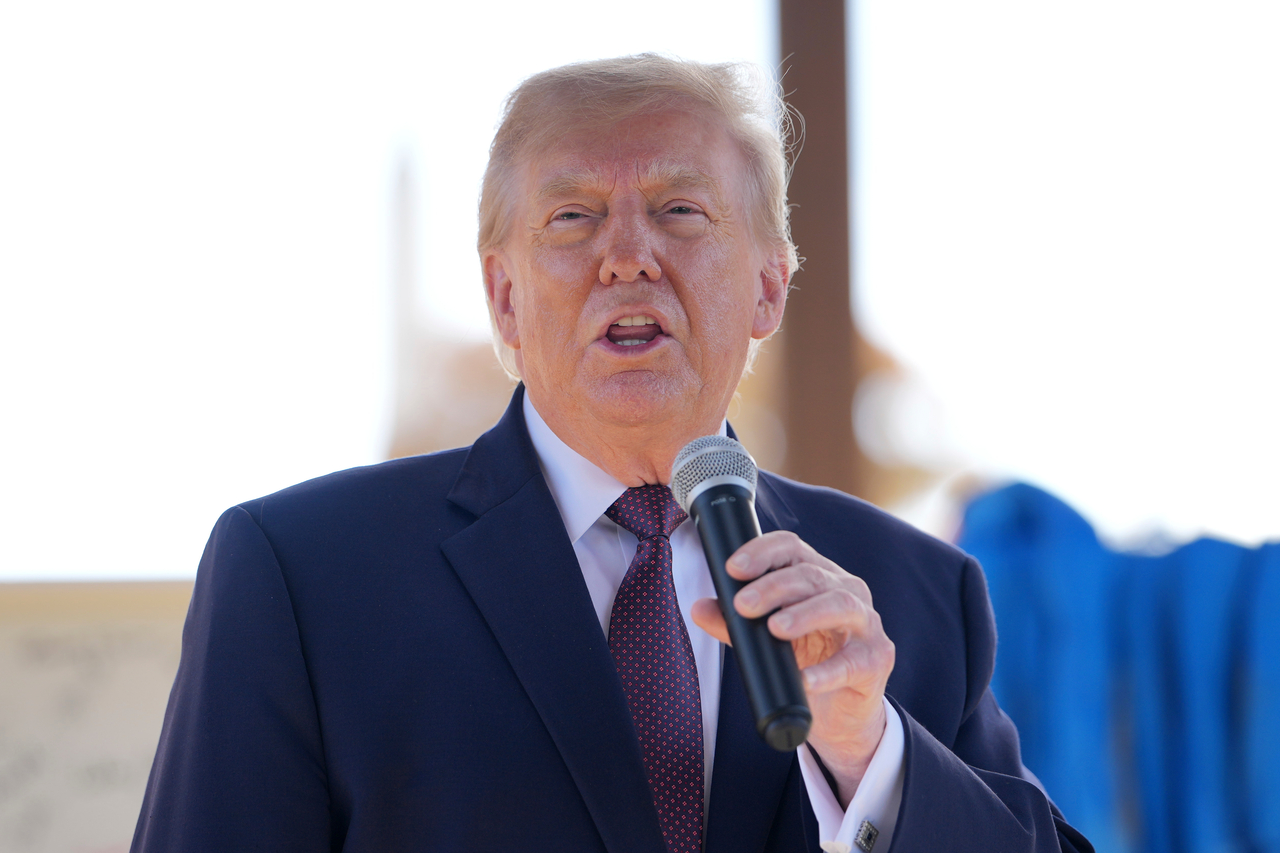
The prospect of a third impeachment of Donald Trump has emerged as a political flashpoint after Democrats swept both chambers of Congress in the midterm elections. Trump warned that any Democratic push to impeach him would backfire on the party. Democratic leaders have drawn a firm line against moving forward with impeachment for now, but analysts say the calculus could change once the new Congress convenes next year and investigations into Trump and his allies get underway.
Asked by reporters Wednesday (local time) at a White House banquet hall construction site whether he was worried about a Democratic impeachment drive, Trump said he was "not at all" concerned. "If they do that, it will destroy the Democratic Party," he added.
The remarks were widely interpreted as a warning that a Democratic midterm victory does not in itself justify pursuing impeachment — and that doing so would trigger a political backlash.
Forbes also noted that if Democrats launched an impeachment inquiry, it could rally Trump and his base ahead of the 2028 presidential election.
Trump was impeached twice during his first term. In 2019, the House voted to impeach him on allegations that he pressured Ukraine's president to investigate Joe Biden, then a Democratic presidential candidate, and Biden's family. In 2021, the House impeached him again on charges that he incited the Capitol riot. Both times, the Senate fell short of the two-thirds majority needed to remove him from office.
Trump had repeatedly said since early this year that Democrats would pursue impeachment if Republicans lost the midterms.
The likelihood of a successful impeachment remains low. While the House can impeach a president by a simple majority, removing a president requires 67 Senate votes — two-thirds of the chamber.
Democrats have so far secured 54 Senate seats in the midterms. Even if they win both remaining races in Mississippi and Alaska, they would reach only 56 seats — meaning at least 11 Republican senators would need to break with their party to remove Trump.
A concrete basis for impeachment has also yet to emerge. Within the Democratic Party, voices are calling for the focus to shift to investigating the Trump administration and addressing cost-of-living concerns rather than channeling political energy into impeachment.
House Minority Leader Hakeem Jeffries, the leading candidate for House speaker, told reporters Wednesday that "not a single House Democrat has mentioned impeachment to me," adding, "We have been relentlessly focused on lowering costs and accountability."
Former Vice President Kamala Harris also pointed to the Senate's failure to secure enough seats for removal, arguing that political resources should go toward investigating and holding the administration accountable rather than pursuing impeachment. Sen. Tammy Duckworth similarly said the party should focus on advancing policy for the American people rather than impeachment.
Progressive Democrats, however, have kept up calls for impeachment. Reps. Alexandria Ocasio-Cortez and Ro Khanna are among those who have backed the effort, arguing that Trump has violated the Constitution.
Democratic leaders have not ruled out impeachment entirely. In a July interview with The New York Times, Jeffries said regarding the question of holding Trump accountable that he had "not predetermined or excluded anything."
When the 120th Congress convenes early next year, Democrats are expected to use their committee chairmanships to launch formal investigations into Trump, his family, close associates and senior administration officials. If new allegations or evidence warranting impeachment surface during that process, the mood within the party could shift.
Democrats must also weigh the political costs of pursuing impeachment. Some observers note, however, that the party won the 2020 presidential election after the first impeachment of Trump's first term, suggesting impeachment does not necessarily hurt Democrats at the ballot box.
Democrats' recapture of congressional power has significantly expanded their tools to investigate and check Trump. Still, a high political threshold remains between a House impeachment vote and actual removal from office, and the more likely scenario is that Democrats will use congressional investigations to ratchet up pressure rather than move immediately toward a third impeachment.
sjy@heraldcorp.com