Inter-Korean cooperation collapses amid strained ties
Critics say Seoul was slow to act on its home sport
S. Korea's solo review unlikely before 2030
Government vows to pursue independent or joint listing
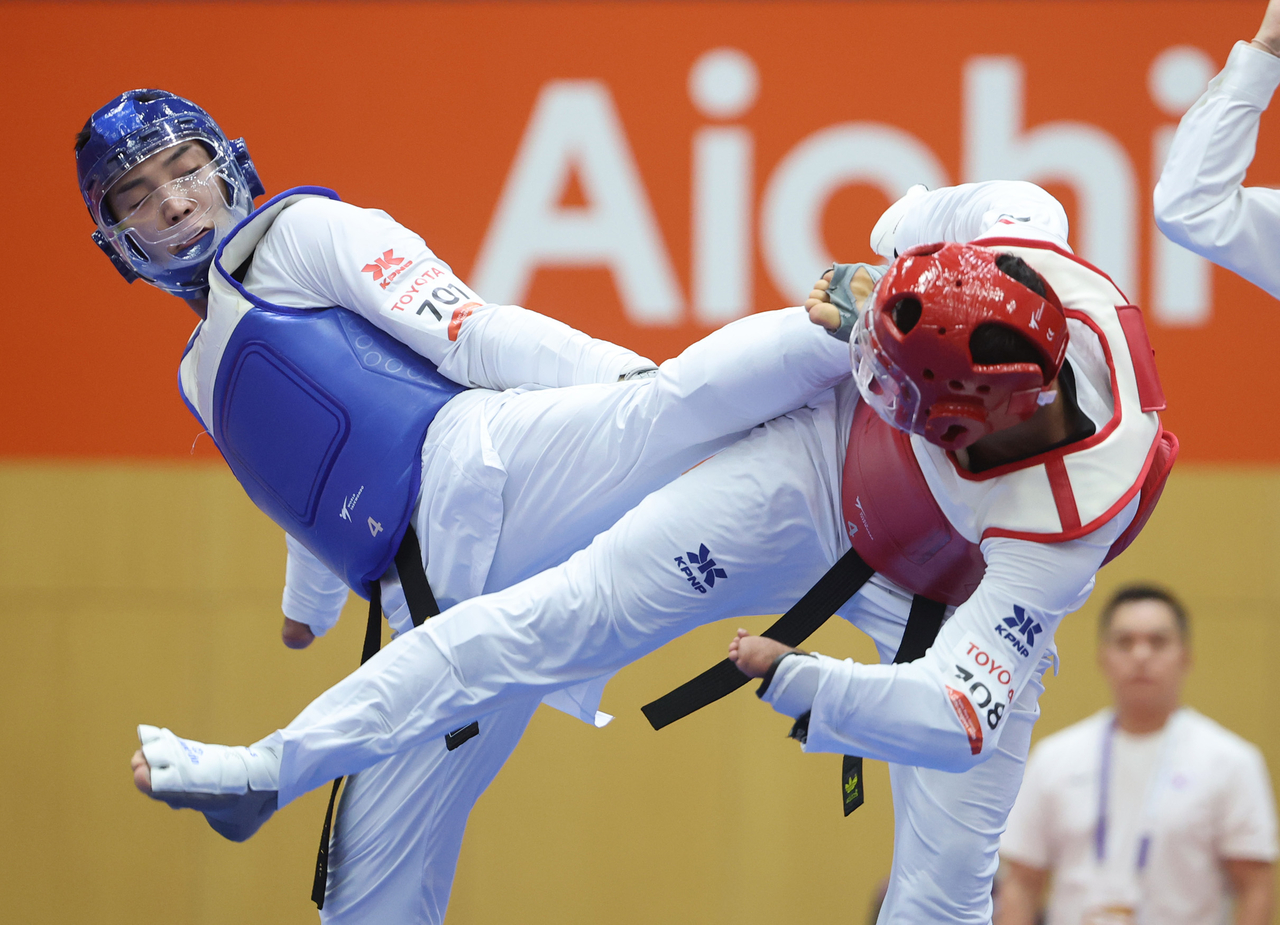
North Korea's application to inscribe taekwondo on UNESCO's Representative List of the Intangible Cultural Heritage of Humanity has received a recommendation for inscription, making the North's sixth intangible heritage listing all but certain. The development means South Korea — the sport's country of origin — stands to cede the lead in shaping taekwondo's official historical and cultural narrative on the global stage.
South Korea's own solo review is unlikely before 2030 at the earliest, potentially leaving a gap of more than four years between the two Koreas' listings. The government, noting the previous administration's tepid response when North Korea filed its solo application in March 2024, said it would continue pursuing either an independent or a joint inscription.
The Cultural Heritage Administration said Thursday that the evaluation body under UNESCO's Intergovernmental Committee for the Safeguarding of the Intangible Cultural Heritage had recommended inscription of "Traditional Martial Art — Taekwondo of the Democratic People's Republic of Korea" on the Representative List.
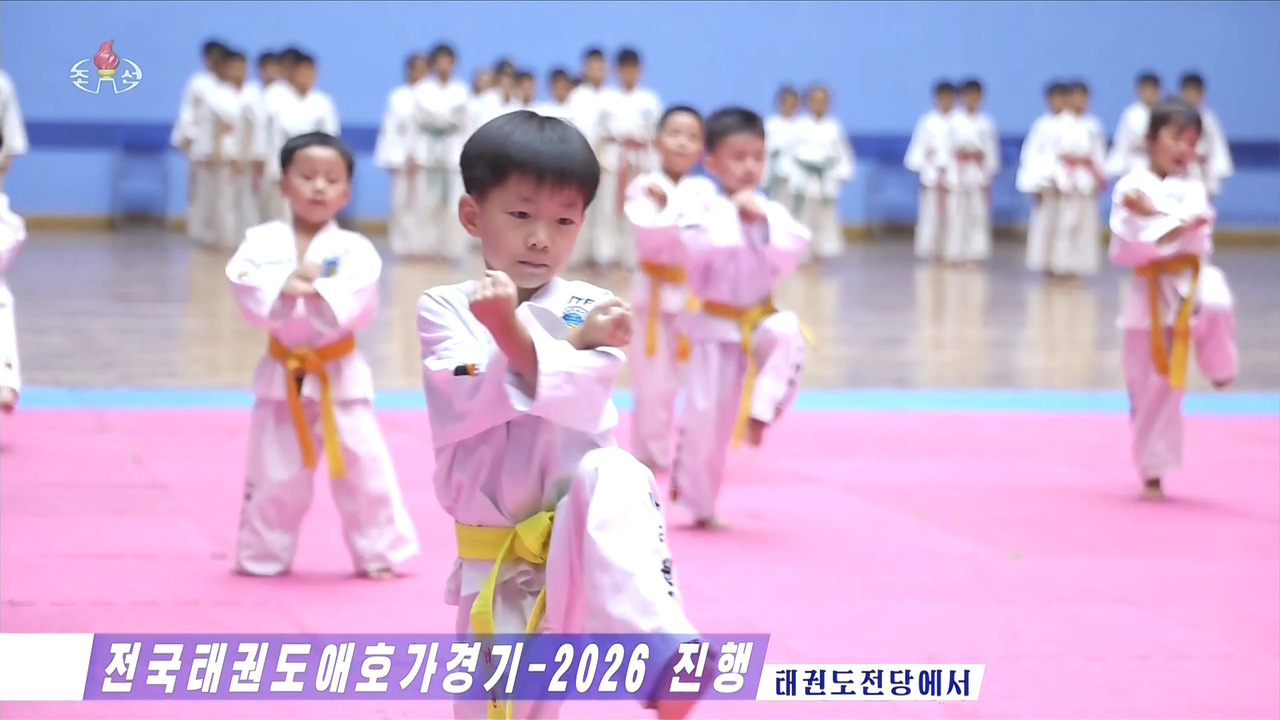
A recommendation from the evaluation body is not a final decision, but it almost always leads to inscription. The final verdict on North Korea's taekwondo application will be made at the 21st session of the Intergovernmental Committee for the Safeguarding of the Intangible Cultural Heritage, to be held in Xiamen, China, from Nov. 30 to Dec. 5.
North Korea currently holds five UNESCO intangible heritage inscriptions: Arirang (2014), kimchi-making (2015), ssireum traditional wrestling (2018, jointly with South Korea), Pyongyang naengmyeon (2022) and traditional Korean clothing customs (2024). If taekwondo receives final inscription, the total will rise to six.
Joint listing falls through as 'ssireum' cooperation proves unrepeatable
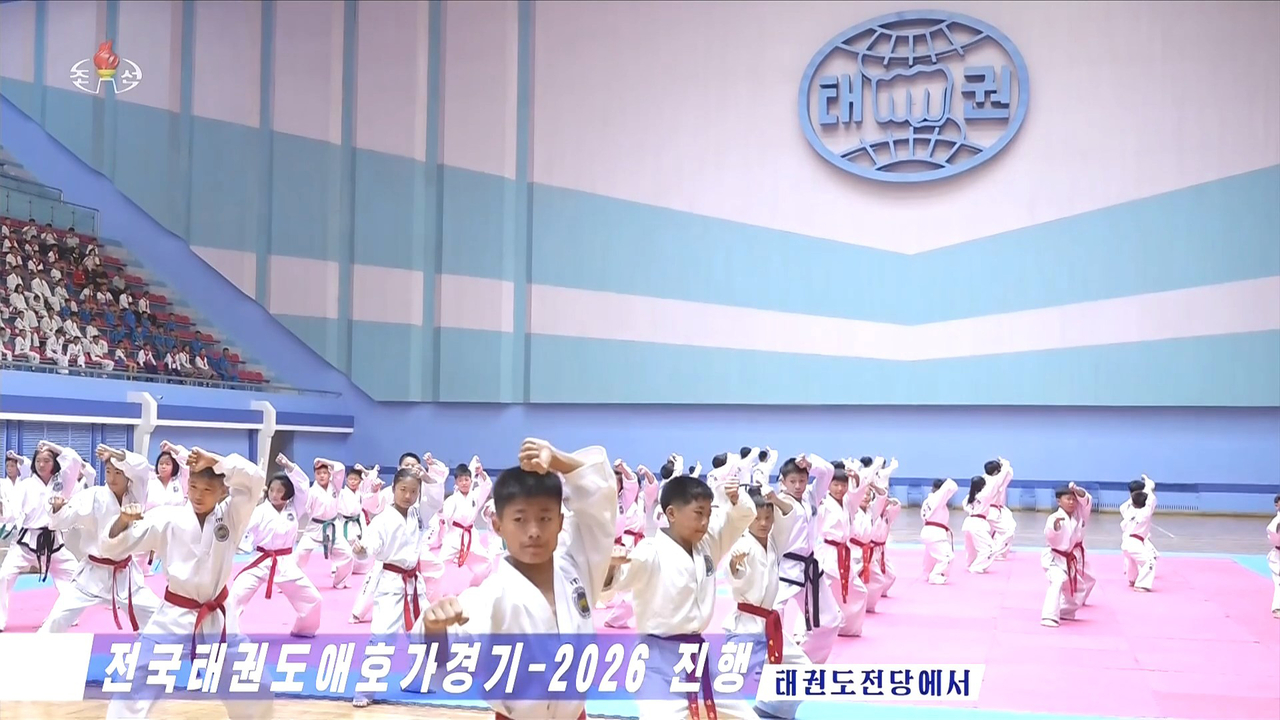
North Korea submitted its inscription application in March 2024. South Korea filed its own application — "Taekwondo: Community Training Culture of Korean Dojangs" — in March this year, while also working toward a joint inscription with the North as a way to expand inter-Korean exchange and cooperation. Those efforts ultimately came to nothing amid strained inter-Korean relations and other obstacles.
Cultural Heritage Administration chief Heo Min wrote on SNS on Monday that "given the current state of inter-Korean relations and various other circumstances, a joint inscription appears in effect unlikely at this point," adding that he found the situation "deeply regrettable."
Taekwondo is one of South Korea's most iconic sports and cultural exports. It has been an official Olympic discipline since 2000, and World Taekwondo counts 215 member nations and regions, with an estimated 200 million practitioners worldwide. South Korea promotes the sport globally through World Taekwondo, while North Korea has developed a separate transmission system centered on the International Taekwondo Federation, which differs from the Olympic version in rules, training methods and overall structure.
A North Korean UNESCO listing would not alter South Korea's status as taekwondo's country of origin. Arirang, for instance, was inscribed by South Korea in 2012 and by North Korea in 2014, while kimchi-making culture was listed by South Korea in 2013 and by North Korea in 2015. In 2018, the two Koreas jointly inscribed ssireum.
The Cultural Heritage Administration said the UNESCO system "is designed to jointly protect the universal value of human culture, and the fact that a particular country is inscribed first does not confer exclusive or monopolistic rights."
Country of origin loses the initiative — and faces criticism for slow response
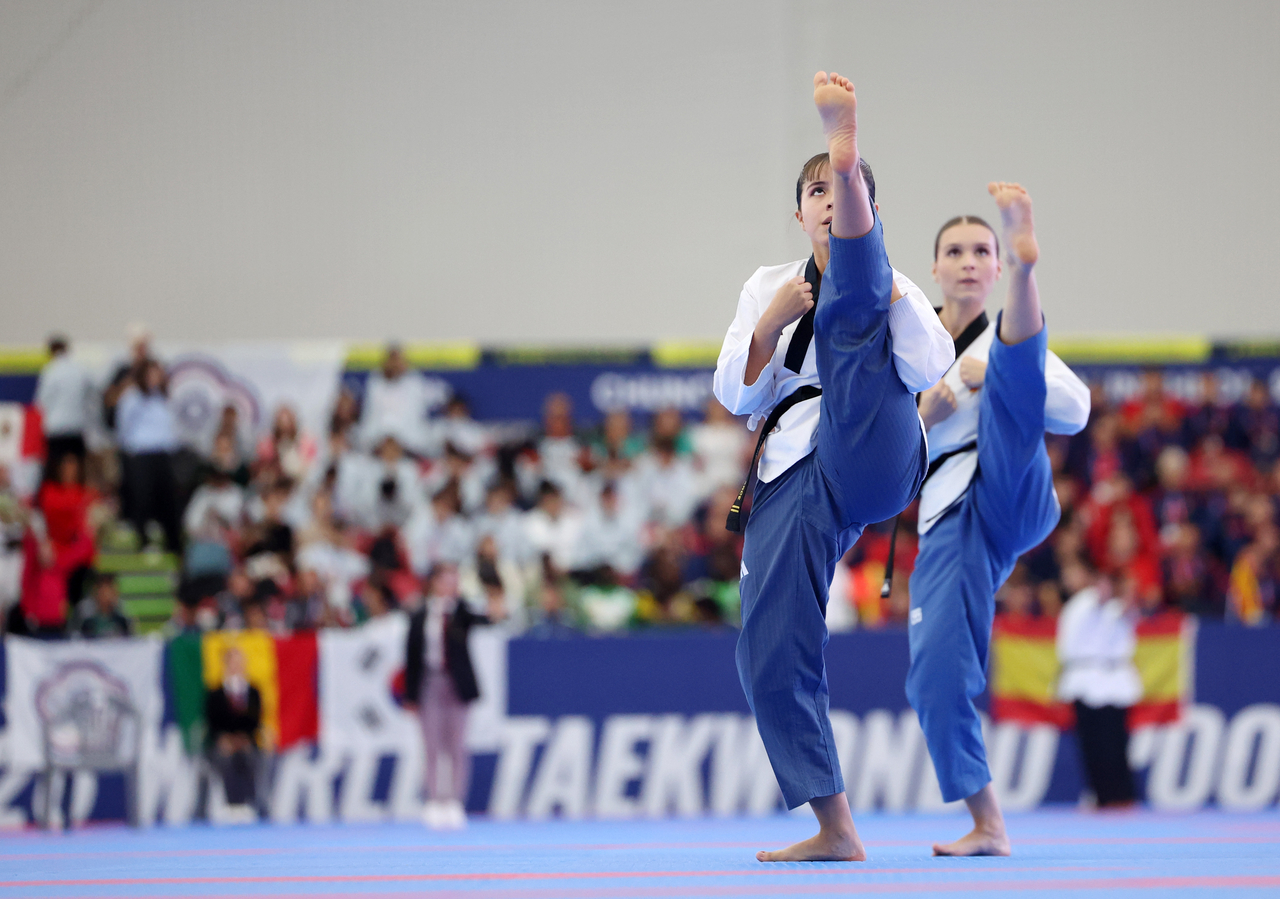
Even so, the government will find it hard to escape criticism for moving too slowly. North Korea's inscription materials — its account of taekwondo's history and transmission — will appear on UNESCO's official list before South Korea's, shaping how the international community understands the sport.
With North Korea's transmission framework, terminology and historical narrative reaching the UNESCO record first, South Korea is now at a disadvantage in the global contest over taekwondo's cultural representation and authenticity. Critics say that despite being the sport's country of origin and the driving force behind its inclusion in the Olympics, South Korea squandered the first-mover advantage through a failure of cultural-heritage diplomacy.
As recently as August 2024, when North Korea's solo application became public, the Cultural Heritage Administration said the government had never pursued a joint inscription. It later consulted with relevant civic organizations, decided in January this year to seek a joint listing, and submitted its own application to UNESCO in March. Critics say that by clinging to the uncertain prospect of a joint inscription amid frozen inter-Korean ties, the government delayed drawing up an independent listing roadmap.
After hanji and ginseng, taekwondo review possible in 2030
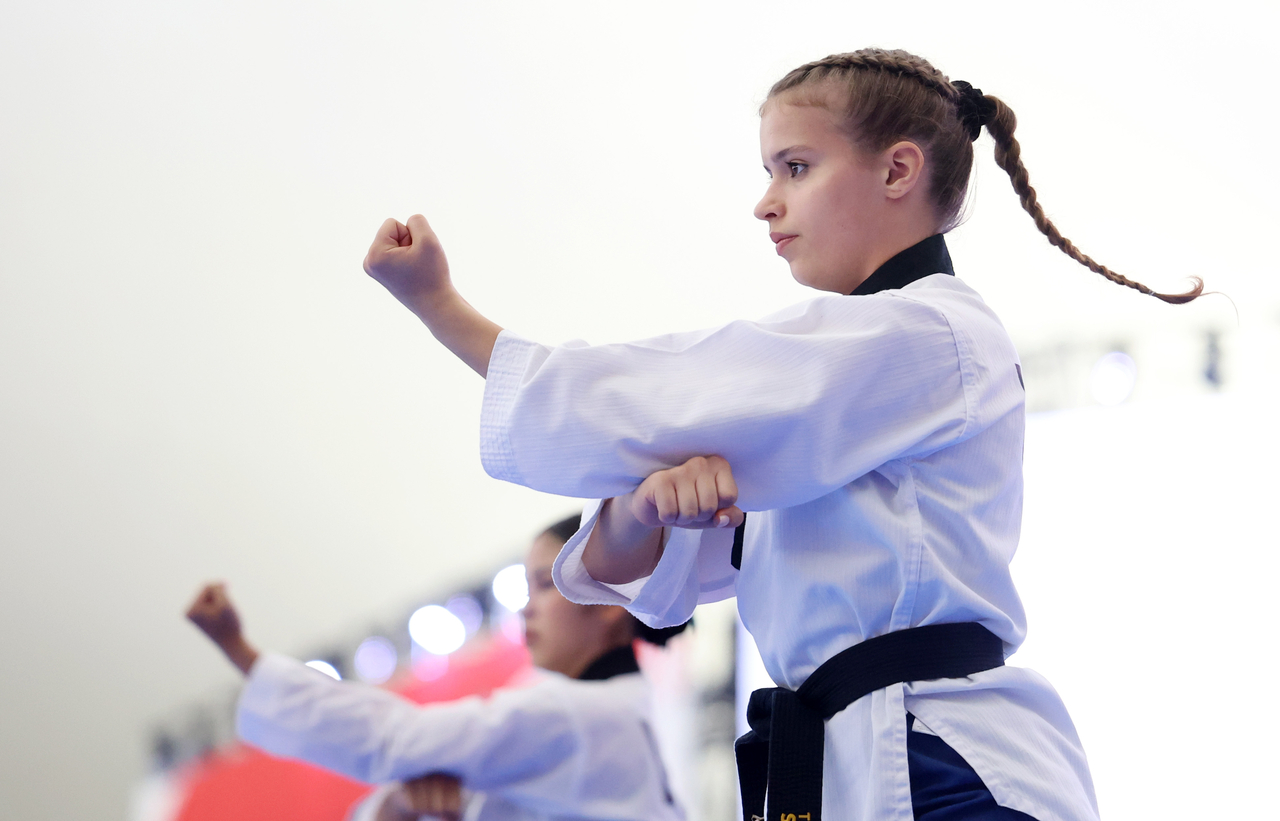
The importance of a joint inscription stemmed from UNESCO's review system. To prevent any single country from dominating the list and to give less-represented nations more opportunities, the Intergovernmental Committee limits countries with many existing inscriptions to one review every two years. Because South Korea falls into that category and its submissions are reviewed only in even-numbered years, the government has already filed applications for "Traditional Knowledge, Skills and Cultural Practices of Hanji Papermaking" in 2026 and "Ginseng Culture: Knowledge, Skills and Sociocultural Practices" in 2028.
Multi-country joint applications, however, are classified separately and receive priority review. That was the rationale behind the government's push for a joint inscription with North Korea — to use that exception to jump the queue. With that route now closed, South Korea must go through the standard quota process. With slots through 2028 already taken, taekwondo's solo review is not expected until 2030.
Because North Korea's historical and transmission record for taekwondo will appear on the UNESCO official list — a global reference — years ahead of South Korea's, the government faces mounting criticism that it ceded the initiative over a key cultural asset by responding too slowly.
Government: 'No exclusive rights — we will pursue solo or expanded listing to the end'
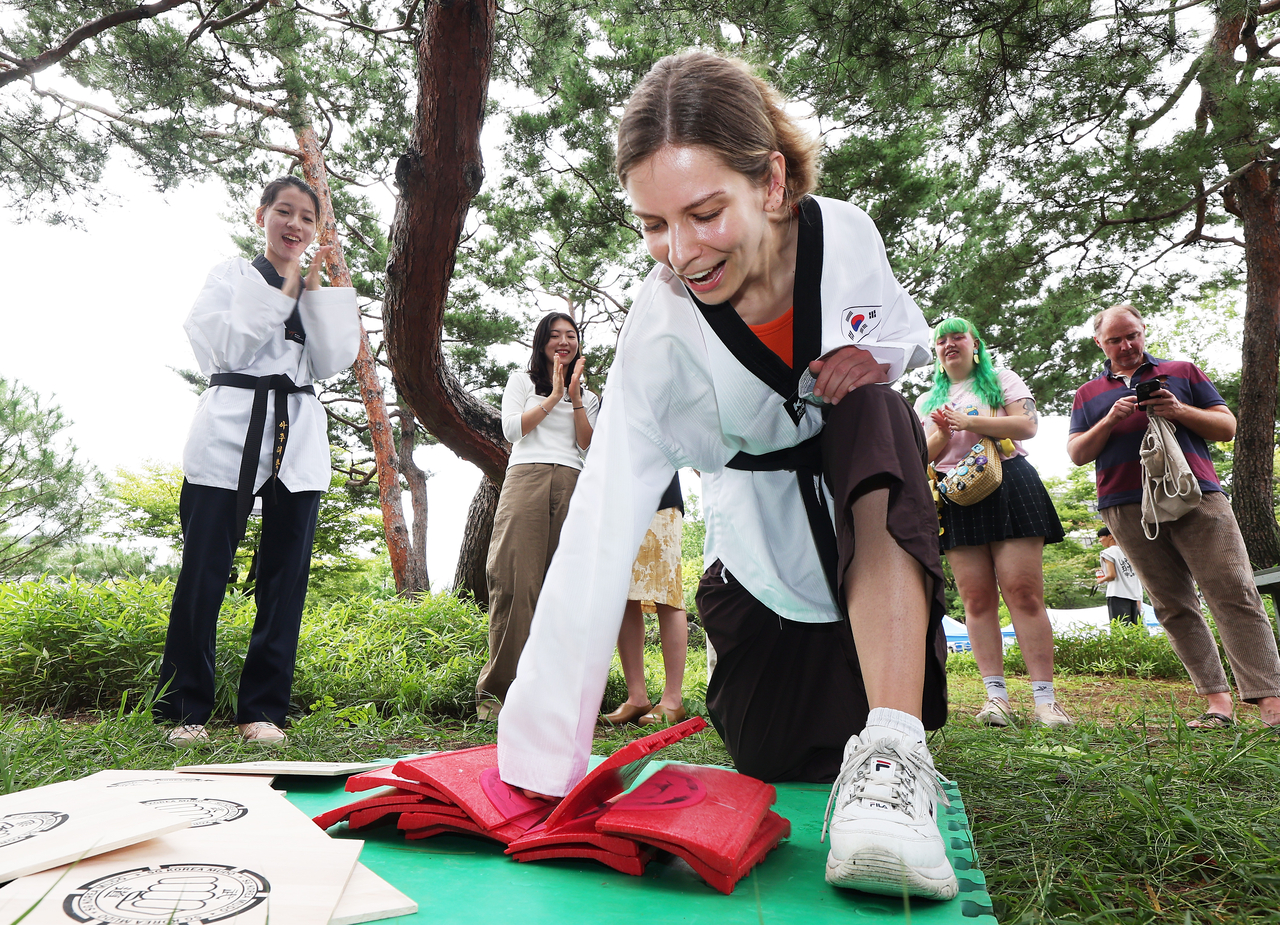
The Cultural Heritage Administration acknowledged the previous administration's inadequate response when North Korea filed its solo application with UNESCO in March 2024, but said the current government had made every effort to secure South Korea's standing since taking office.
"It is regrettable that when North Korea submitted its solo taekwondo application to UNESCO in March 2024, the government took no meaningful action or effective measures in response," an administration official said. "Since the launch of the Lee Jae-myung government, however, the Cultural Heritage Administration has recognized the urgency of the matter and moved proactively to secure the standing of our taekwondo."
The administration added that it had convened and closely coordinated with the five major domestic taekwondo organizations since last year before submitting the application to UNESCO in March. "Some reports claiming that the government was late in learning of North Korea's inscription push, or that it did not even know the date of the evaluation announcement, are not accurate," it said.
The administration also said that "regardless of the outcome of North Korea's UNESCO review, we will do our utmost to the very end to ensure that taekwondo, our national sport, is inscribed on the Representative List — whether through a solo listing or an expanded joint listing."
terry@heraldcorp.com