Democrats seize Senate confirmation power over Fed nominees
Trump's plan to pack Fed board with allies faces major setback
Warren likely to chair Senate Banking Committee, toughening scrutiny of Warsh
Fed independence seen strengthening as inflation-fighting autonomy grows
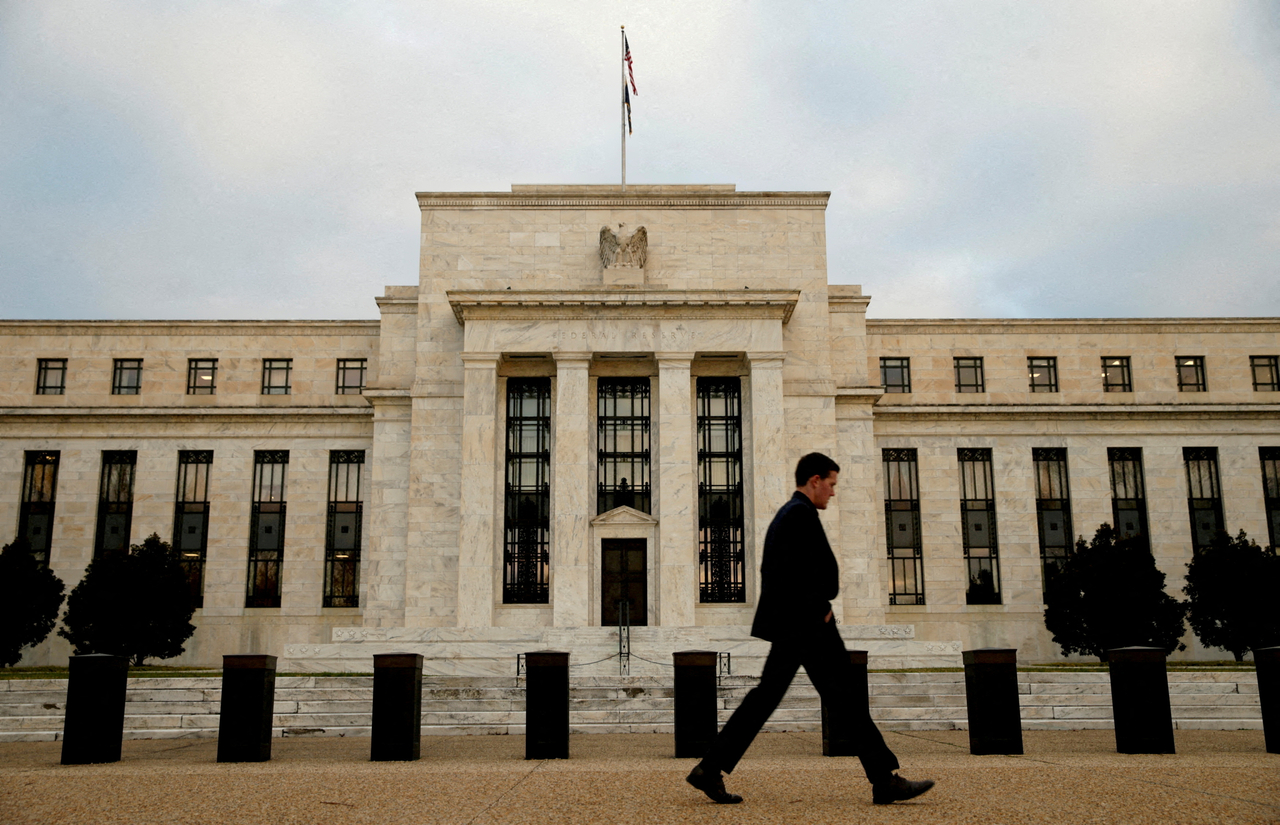
Democrats' capture of the Senate majority in the US midterm elections is expected to put a significant check on Donald Trump's ambitions to dominate the Federal Reserve. With the Senate — which holds confirmation authority over Fed board nominees — now in Democratic hands, Trump will find it far harder to stack the Fed's leadership with officials sympathetic to lower interest rates.
Reuters and Bloomberg reported Wednesday (local time) that the midterm results would curtail Trump's influence over the Fed and strengthen conditions for preserving the central bank's monetary policy independence.
Trump has repeatedly demanded steep benchmark interest rate cuts from the Fed while signaling his intention to fill a majority of the seven seats on the Fed's board of governors with his own appointees — a strategy aimed at expanding his sway over the central bank's policy decisions.
That plan now faces unavoidable complications, however, as Democrats are set to hold the Senate majority when the new Congress convenes in January. Fed governors nominated by the president must still win Senate confirmation before taking office.
Even if Trump were to dismiss sitting Fed governors to create vacancies, Democrats could simply refuse to confirm his replacements — effectively making it impossible for the president to reshape the board through appointments alone.
Particular attention is focused on the fate of Fed Governor Lisa Cook, whom Trump has been seeking to remove on the basis of unverified allegations about irregularities in a past mortgage application. The allegations remain unproven and are still being contested in legal proceedings.
Even if Trump succeeds in ousting Cook, installing a successor aligned with his monetary policy preferences will be far from straightforward now that Democrats control the Senate.
Congressional oversight of Fed leadership is also expected to intensify. Democratic Sen. Elizabeth Warren is widely seen as likely to take over as chair of the Senate Banking Committee, replacing Republican Sen. Tim Scott.
The Senate Banking Committee is the key standing committee responsible for vetting nominees for Fed chair and governor. A change in leadership could sharpen congressional scrutiny of the Fed's monetary policy decisions and its independence.
Warren had already put Fed Chair Kevin Warsh on notice during his confirmation hearing in April, calling him Trump's "puppet" and questioning whether he could safeguard the Fed's independence.
How independently Warsh responds to Trump's demands for rate cuts — and how faithfully he upholds the Fed's price-stability mandate — is expected to become a central focus of congressional oversight.
Monetary Policy Analytics, a monetary policy research firm founded by former Fed Governor Larry Meyer, said Warsh "received zero Democratic support during his confirmation process," adding that tough Democratic questioning could put his public statements to the test.
Analysts also see the election results as potentially influencing the Fed's approach to interest rate policy. With Trump's political leverage weakened by the Democratic Senate majority, the Fed may find itself better positioned to take a more assertive stance on curbing inflation.
Some analysts suggest Warsh in particular may feel less political pressure as he navigates the tension between Trump's calls for rate cuts and the Fed's price-stability objectives.
"The election results mean the president has less influence over Congress, the country and the Fed," said Dalip Singh, chief global economist at PGIM.
"Voters are angry about the rising cost of living, and the Fed is uniquely positioned to address that," Singh added.
With the Democratic Senate majority reshaping the political landscape around Fed confirmations and congressional oversight, the standoff between Trump's rate-cut pressure and the Fed's monetary policy independence appears set to enter a new phase.
In an era when a single word from Trump can shake global markets, keeping up with the flood of Trump news is no easy task. The Herald Business international desk, on the move from 5 a.m., curates everything from US market closing updates to the Trump headlines most likely to move global assets — delivered in a one-minute read. Subscribe at https://1day1trump.stibee.com/
sjy@heraldcorp.com