310,846 units registered Jan.–Oct.
Full-year 2025 tally already surpassed
EV registrations double year-on-year, reaching 147,006 units
Tesla on verge of 100,000 annual registrations
October registrations up 30% year-on-year
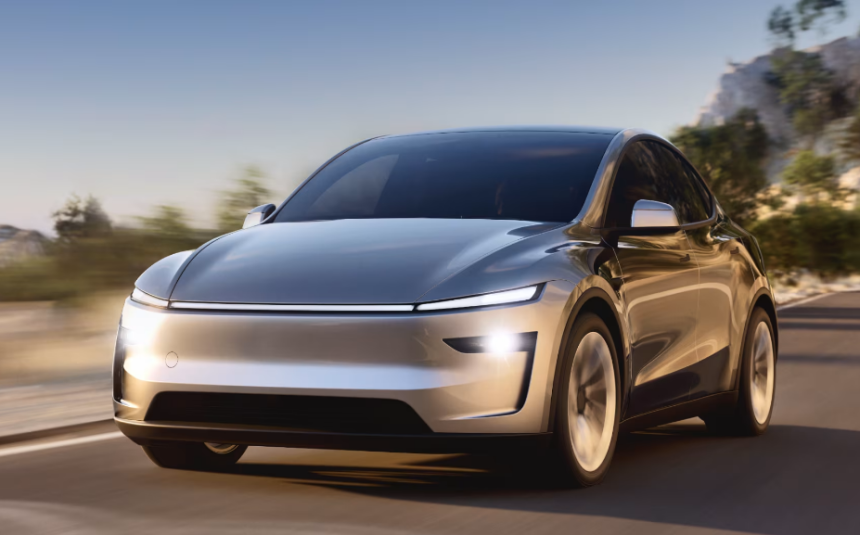
South Korea's imported car market has surpassed last year's full-year sales total with two months still remaining in 2026, driven by a doubling of electric vehicle registrations that has reshaped the market's composition. Tesla, in particular, is on the verge of crossing the 100,000-unit mark for cumulative annual registrations, a milestone that is redrawing the competitive landscape.
According to the Korea Automobile Importers & Distributors Association (KAIDA), newly registered imported passenger cars totaled 310,846 units from January through October — a 24.6% increase from 249,412 units recorded in the same period last year.
The figure has already exceeded last year's full-year tally of 307,377 units by 3,469 vehicles, even before November and December sales are counted, underscoring the market's strong growth this year.
Electric vehicles led the charge. Imported EV registrations jumped to 147,006 units in the first 10 months of the year, more than doubling the 73,288 units registered in the same period last year — a year-on-year increase of 100.6%. EVs' share of the total imported car market rose 17.9 percentage points, from 29.4% last year to 47.3% this year, meaning nearly one in two imported vehicles is now electric.
In practice, while total imported car registrations rose by 61,434 units compared with the same period last year, EV registrations alone accounted for an increase of 73,718 units. Registrations of gasoline, diesel and hybrid vehicles actually declined over the same period, meaning EVs single-handedly carried the market's overall growth.
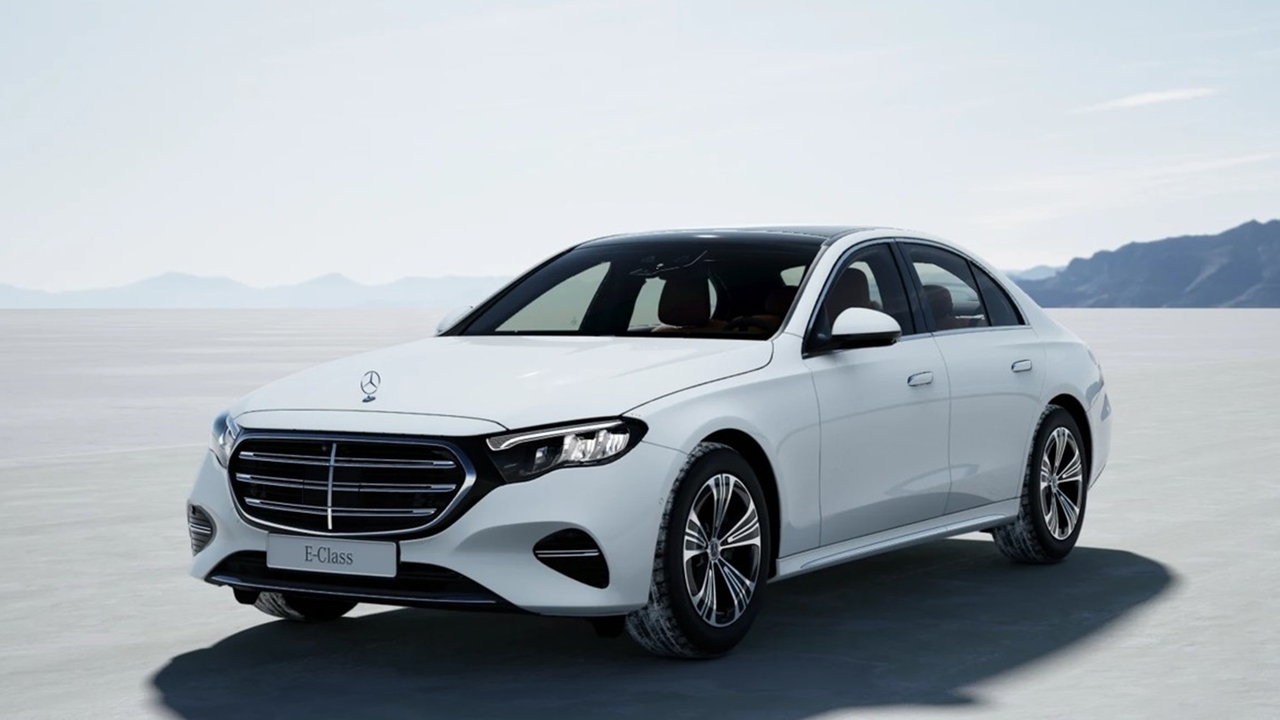
The competition between hybrids and EVs has also shifted noticeably. Hybrid registrations fell 4.8% year-on-year to 134,883 units in the January–October period, with the segment's market share dropping from 56.8% to 43.4%.
Even in October alone, EVs outpaced hybrids. EV registrations reached 14,424 units, accounting for 46.4% of the monthly total, while hybrids came in at 14,272 units — or 45.9% — just 152 units behind. Compared with October last year, EV registrations surged 108.4% while hybrid registrations edged down 0.8%.
Tesla sits at the center of the EV market's expansion. The brand registered 98,313 vehicles in South Korea from January through October, up 105.0% from 47,962 units in the same period last year, giving it a 31.6% share of the total imported car market. It now needs just 1,687 more registrations to reach the 100,000-unit annual milestone.
Tesla also held the top spot among imported car brands in October, registering 9,165 units — a 110.7% increase from 4,350 units in the same month last year. However, the figure was down 25.9% from the previous month's 12,372 units. Mercedes-Benz followed in second place with 6,744 units, and BMW came third with 5,633 units.
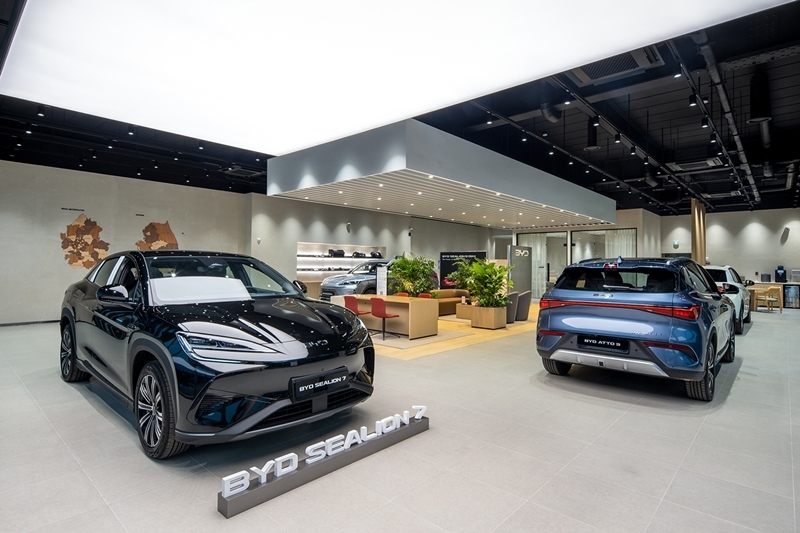
Chinese EV maker BYD also posted striking growth. Its cumulative registrations this year reached 21,731 units, a 473.2% jump from 3,791 units in the same period last year. In October, BYD registered 1,594 units, placing fifth among imported car brands, just behind Volvo's 1,682 units.
The rise of EV brands has also reshuffled the market's country-of-origin breakdown. German brands registered 136,488 units in the January–October period, down 3.0% year-on-year, with their market share falling 12.5 percentage points from 56.4% last year to 43.9% this year. American brands, meanwhile, expanded their share from 22.3% to 32.6% over the same period, while Chinese brands grew from 1.5% to 7.0%.
Total imported passenger car registrations in October came to 31,117 units, up 29.3% from 24,064 units in the same month last year. However, the figure was down 10.8% from the previous month's 34,904 units.
By model, the Tesla Model Y led all registrations in October with 5,508 units, followed by the Mercedes-Benz E-Class with 3,669 units, the Tesla Model 3 with 3,553 units, and the BMW 5 Series with 1,478 units.
Jung Yun-young, vice chairman of KAIDA, said October's decline from the previous month reflected "reduced EV sales by some brands and supply shortages."
kwater@heraldcorp.com