Dow falls 0.38%, Nasdaq rises 0.83%
Nvidia, Micron rebound more than 2%
AMD, Broadcom each gain over 3%
Apple drops 1.9% on foldable phone margin worries
Relief rally expected once election uncertainty clears
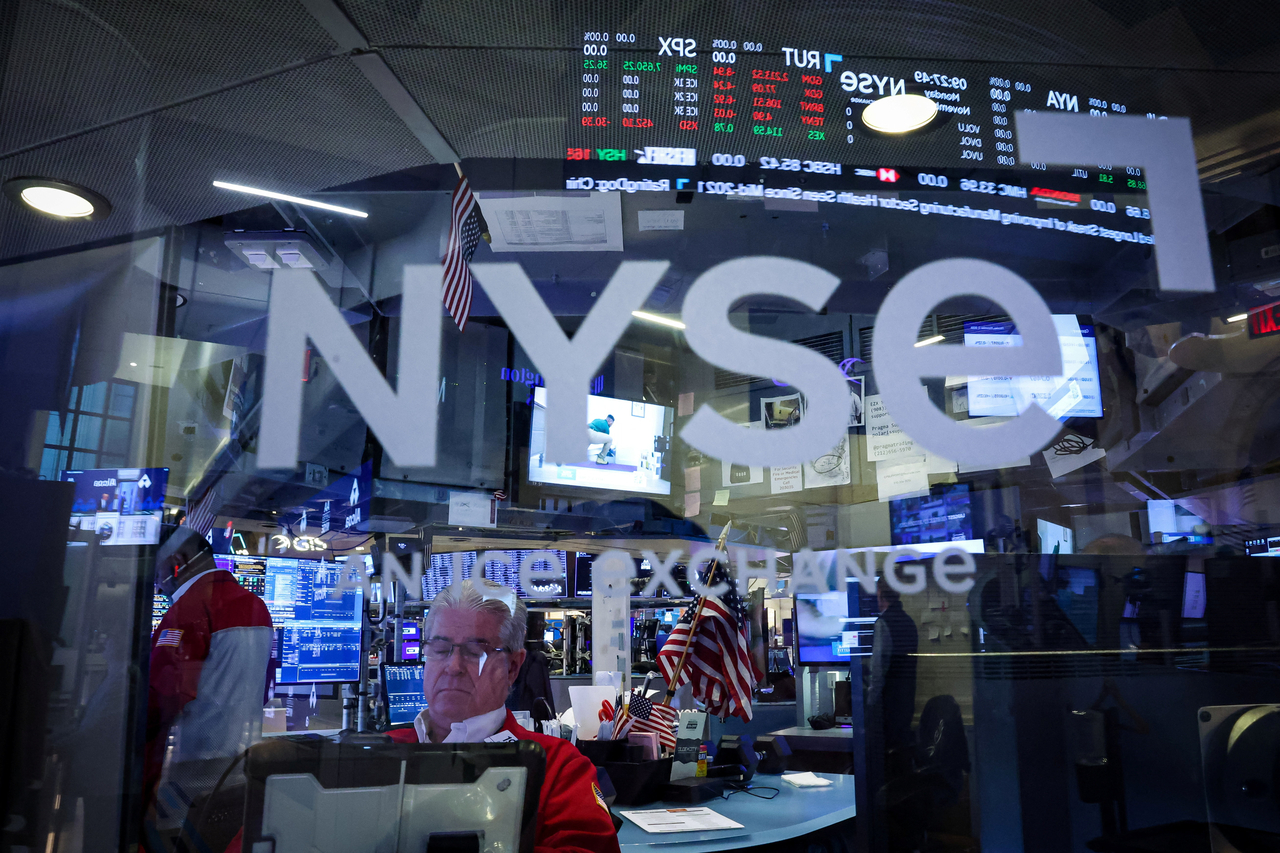
US stocks closed mixed Tuesday as caution ahead of midterm election results collided with bargain hunting in major technology shares.
Tech stocks that had fallen recently on skepticism over AI infrastructure spending rebounded, lifting the Nasdaq, while the Dow Jones Industrial Average declined. Uncertainty over the post-election balance of power in Congress and the profitability of AI investment continued to weigh on sentiment.
The Dow Jones Industrial Average fell 197.26 points, or 0.38 percent, to close at 51,786.72 on Tuesday (local time) at the New York Stock Exchange. The S&P 500 rose 27.52 points, or 0.36 percent, to 7,568.92, while the Nasdaq Composite gained 207.65 points, or 0.83 percent, to finish at 25,372.01.
AI and semiconductor stocks that had sold off on concerns about AI infrastructure spending and profitability bounced back as buyers moved in at lower prices.
Micron Technology rose 2.58 percent and Nvidia gained 2.29 percent, while AMD climbed 3.65 percent and Broadcom advanced 3.07 percent. SK hynix's American depositary receipts also rose 2.09 percent.
Apple, which reported earnings Tuesday, fell 1.90 percent. The decline reflected supply uncertainty surrounding the iPhone Duo, the company's first foldable smartphone, as well as a fourth-quarter gross margin outlook that fell short of market expectations.
Skepticism over the scale of AI companies' infrastructure spending also lingered in the market. The Nasdaq 100 entered correction territory Tuesday, having fallen more than 10 percent from the peak it recorded on Oct. 6. Investors are watching closely to see whether the enormous costs of AI investment will translate into actual returns.
The midterm elections held that day were another key variable for markets. The results will determine which party controls the Senate and the House next year, and a shift in the balance of congressional power could affect fiscal policy, regulation and government spending.
Some analysts noted that if the Democratic Party wins majorities in both chambers, congressional oversight and investigative authority over corporations could be strengthened, and regulatory burdens on AI data center construction could increase.
Some market participants expressed hope that once the election results are known, the political uncertainty that has been suppressing investor sentiment could partly lift.
Sean Snyder of Potomac Fund said AI-related investments had "already taken a hit," and predicted that a relief rally would emerge once uncertainty was resolved, regardless of the election outcome.

th5@heraldcorp.com