Justice Dept. deploys monitors to all 50 states for first time; Democrats launch counter-monitoring effort
Trump's repeated fraud claims raise prospect of clashes at polling sites in battleground states
In an era when a single word from Trump can shake global markets, keeping up with the flood of Trump news is no easy task. The Herald Business international desk, on the move from 5 a.m., curates the essential Trump stories — from Wall Street's closing bell to the global asset market moves that matter — and delivers them in a one-minute read. Whether you're commuting, eating alone, or winding down for the night, one minute is all it takes. Subscribe and get ahead.
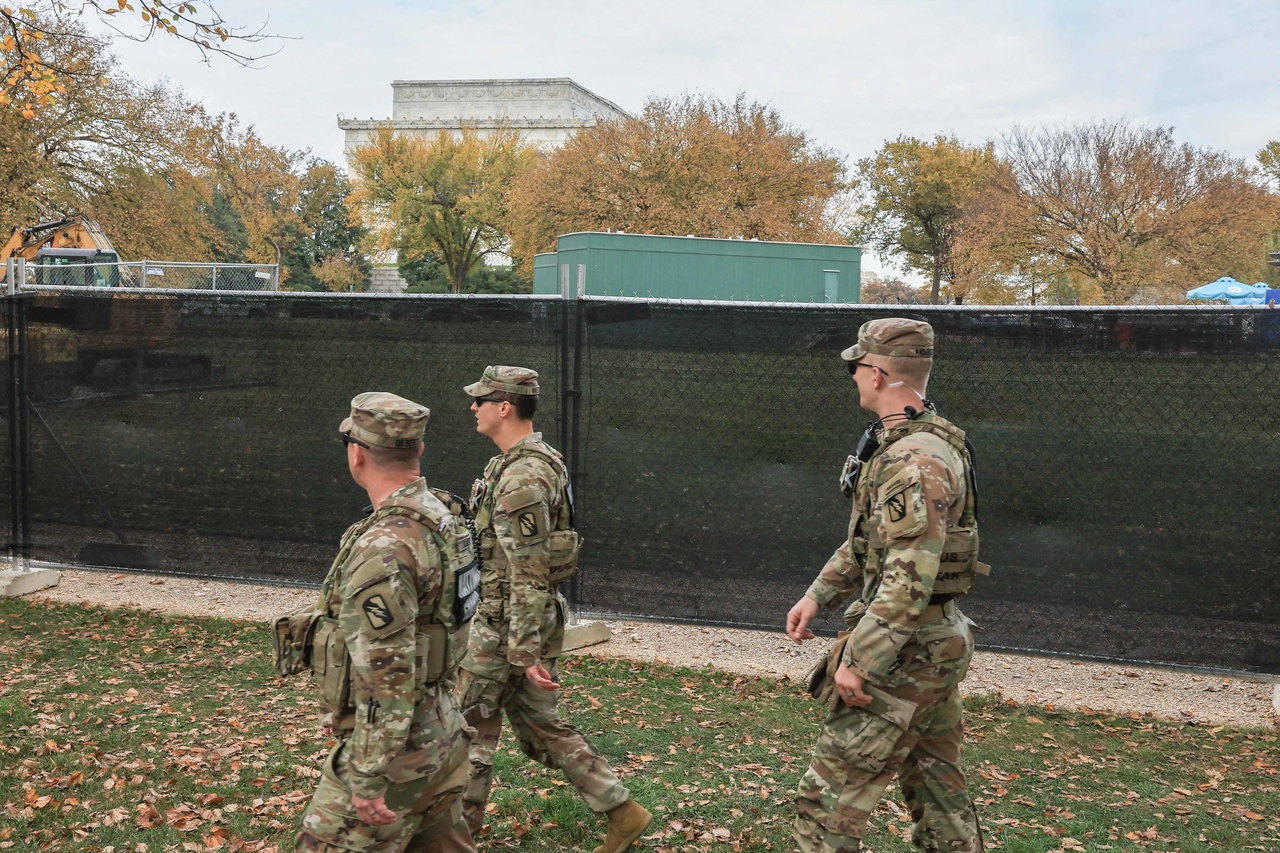
The Trump administration has deployed a record number of election monitors for this year's US midterm elections and mobilized National Guard units in multiple states. With Trump repeatedly raising the specter of voter fraud, clashes between federal monitors and Democratic counter-monitoring personnel at polling sites in battleground states cannot be ruled out.
The Justice Department said Tuesday (local time) in a press release that "one of the Justice Department's most important responsibilities is to ensure election integrity, support free and fair elections, and protect the civil right to vote across the country," adding that it would "further that mission on Wednesday through the largest election monitoring effort in history."
The department said it would deploy "approximately 1,000 election monitors and observers" and that, for the first time, operations would cover all 50 states, with the Civil Rights Division overseeing the effort. It added that the department would accept voting-rights inquiries and complaints for one week beginning Wednesday.
Assistant Attorney General for Civil Rights Harmeet Dhillon said election integrity is "one of the top priorities of this administration and the Civil Rights Division," and said she was "very proud" to pursue electoral transparency "in the most robust, proactive and non-discriminatory way possible."
The deployment is roughly three times the size of the federal monitoring effort during the 2022 midterms. The Justice Department — led by Attorney General Todd Blanche, a Trump confidant — is mounting the sweeping operation as Trump continues to raise the possibility of fraud even as his party faces a difficult electoral environment.
The move also appears intended to document any procedural irregularities during voting that could be cited in the event of a poor showing for Trump's party.
States are also mobilizing National Guard units to support the elections. In states with Democratic governors, the deployments appear to serve as a counter to the federal monitoring effort.
At the suggestion of Democratic Washington Gov. Bob Ferguson, more than 100 National Guard members will monitor elections across seven counties in the state. Ferguson cited the arson attack on a ballot drop box in Vancouver, Washington, during the 2024 presidential election — which destroyed hundreds of ballots — as justification for the deployment.
North Carolina, which also has a Democratic governor, is deploying National Guard members for election monitoring, while Colorado is using its National Guard to support election cybersecurity.
The Hill, a congressional news outlet, reported that seven states have officially announced National Guard deployments for this year's midterms. Minnesota and California, both led by Democratic officials, are among the states where National Guard units will also monitor the activities of the Justice Department's own monitors.
Trump made multiple statements before the election suggesting that Democrats were attempting to commit fraud in battleground states. In an interview with The New York Times in January, he said he regretted not ordering the National Guard to seize voting machines in swing states after his 2020 presidential election defeat.
Democrats have long warned that the Trump administration could use military forces or Immigration and Customs Enforcement agents to intimidate voters, and could go further by refusing to accept election results or seizing voting machines and ballots.
yckim6452@heraldcorp.com