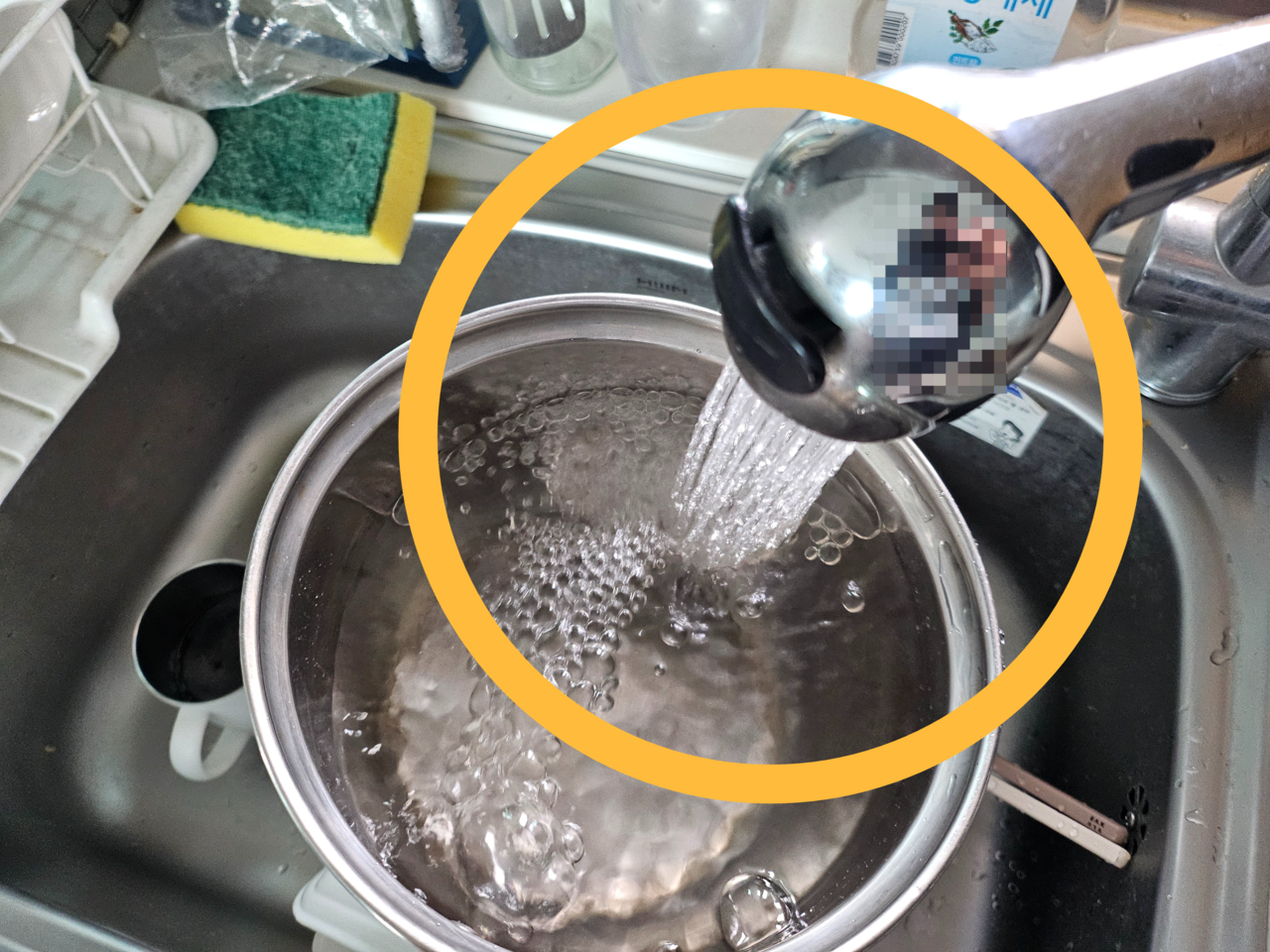
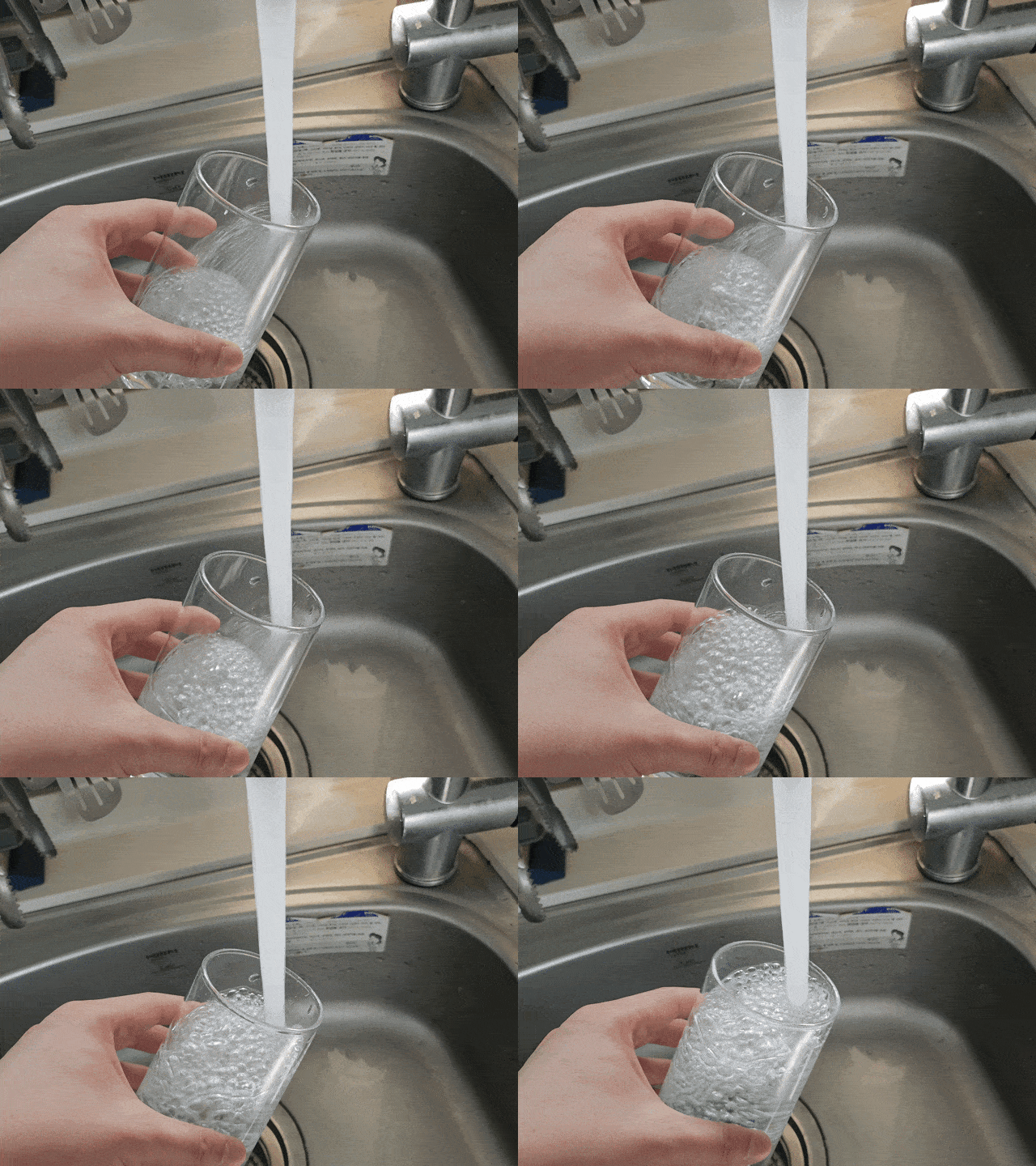
"Water gushes out of the tap — how can there possibly be a shortage?"
Clean tap water flows freely at the turn of a handle, available to anyone, anywhere in the country.
Yet South Korea was once widely described as a "water-scarce nation designated by the UN." Government agencies and related bodies even used that label in public campaigns to promote water conservation.
In 2006, however, it emerged that the classification had never actually come from the UN, and the "water-scarce nation" label largely faded from public discourse.
So was the claim simply wrong?
A surprising reassessment has recently surfaced. The OECD — the club of the world's leading advanced economies — has now explicitly identified South Korea as a water-poor country.
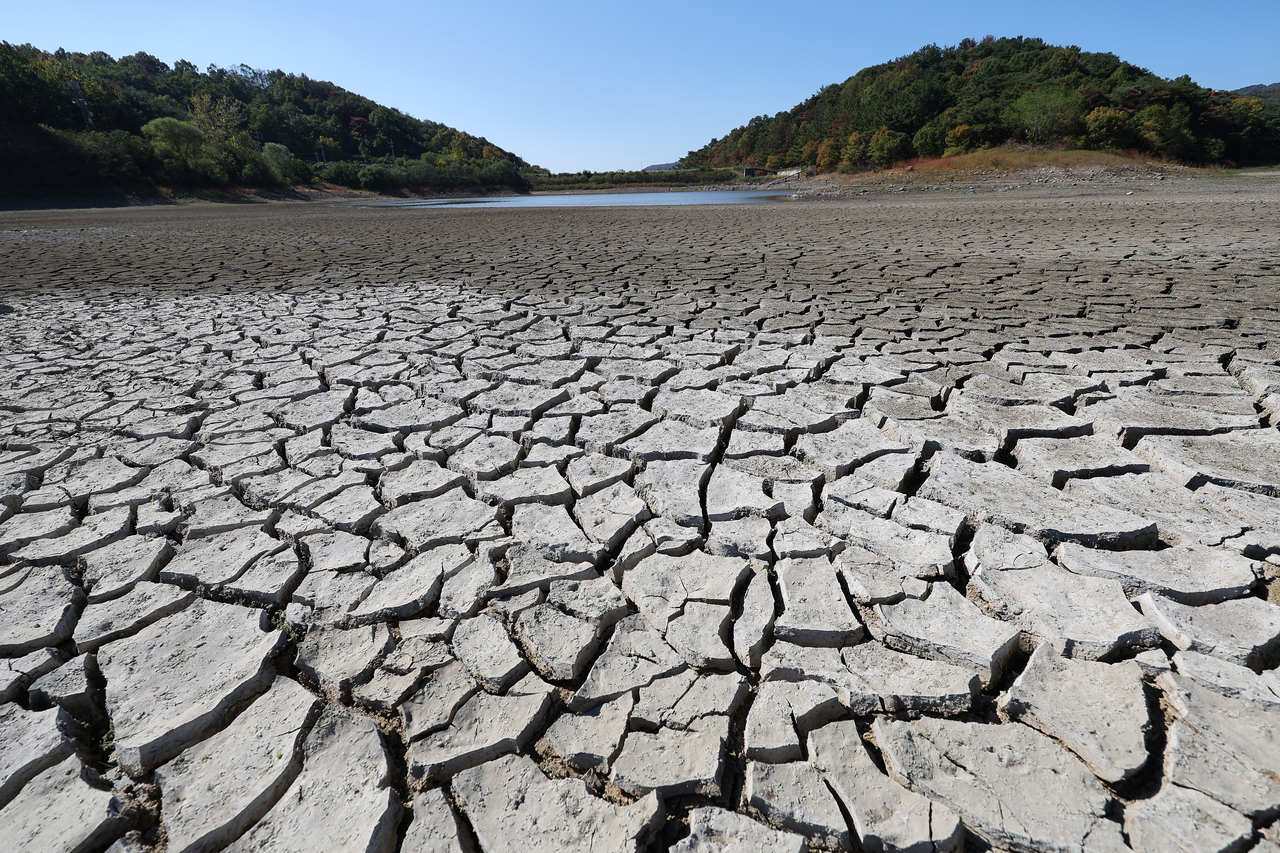
The country has also been assessed as having among the lowest per-capita renewable freshwater resources of any OECD member state.
According to climate and environment industry sources, the OECD's "Environment at a Glance: Korea" report, released Oct. 26, ranks South Korea among the member countries with the least renewable freshwater resources per person.
"Korea is water-poor," the report stated, adding that the country draws a large volume of water per capita and faces "medium to high" levels of water stress.
Water stress is an indicator of how much water is being withdrawn relative to available resources — the higher the figure, the greater the strain on a limited supply.
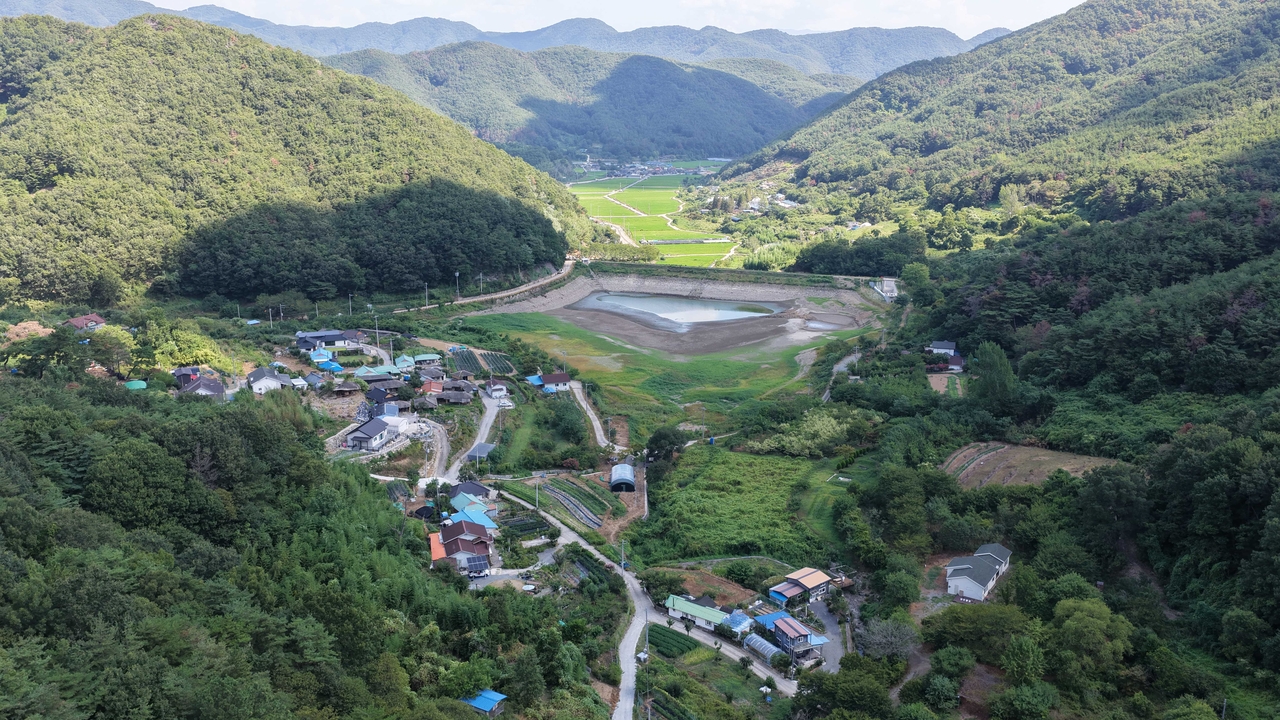
UN data on the Sustainable Development Goals bears this out. South Korea's water stress index stood at 85.2 percent in 2023, meaning the country withdraws a substantial share of its available water supply.
Part of the reason is that the country simply has less water to draw on than most peers. World Bank statistics compiled from Food and Agriculture Organization data show that South Korea's renewable freshwater resources amounted to 1,255 cubic meters per person per year in 2022.
By simple comparison, that figure is roughly 36 percent of Japan's and about 15 percent of the United States'. Renewable freshwater refers to water that is continuously replenished through the natural water cycle — rainfall, groundwater recharge and similar processes.
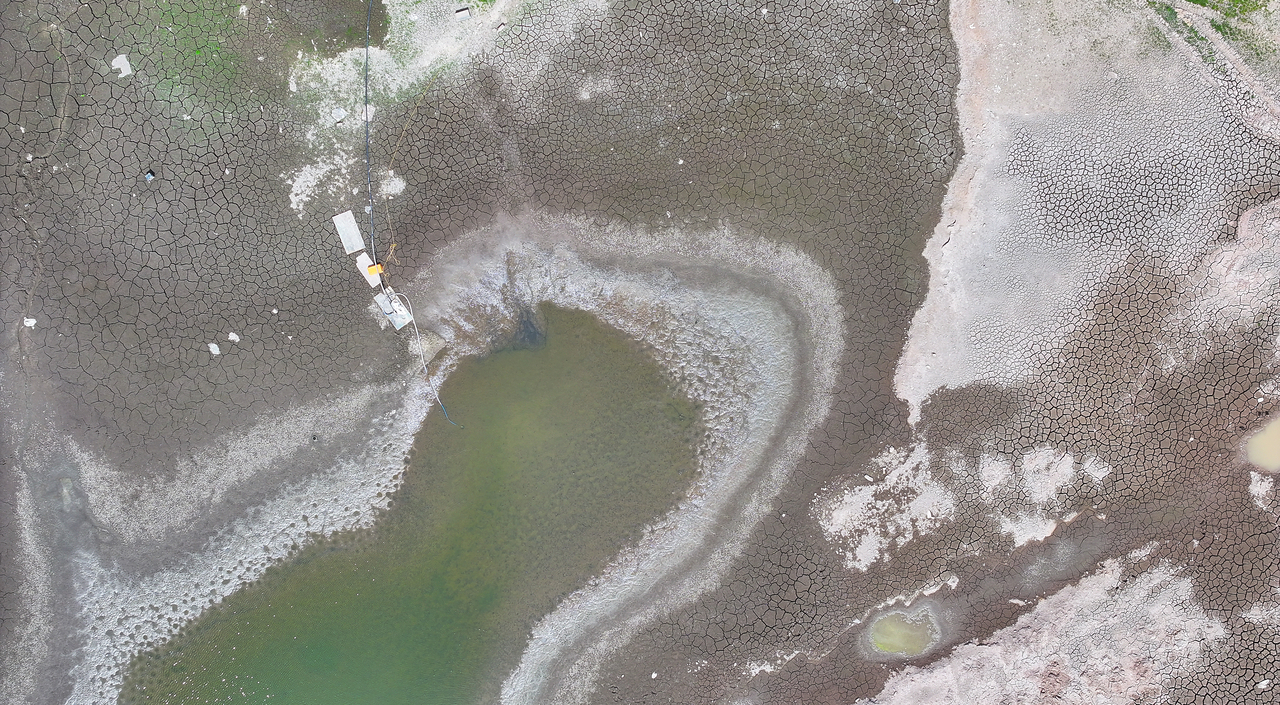
The phrase "water-scarce nation" typically conjures images of desert countries with little rainfall. South Korea, in fact, does not lack rain — its average annual precipitation exceeds the global mean.
But abundant rainfall does not automatically translate into abundant water. South Korea has an exceptionally high population density, and rain tends to fall heavily during a narrow window of the year. As a result, the amount of water available to each person remains relatively low even in years of plentiful precipitation.
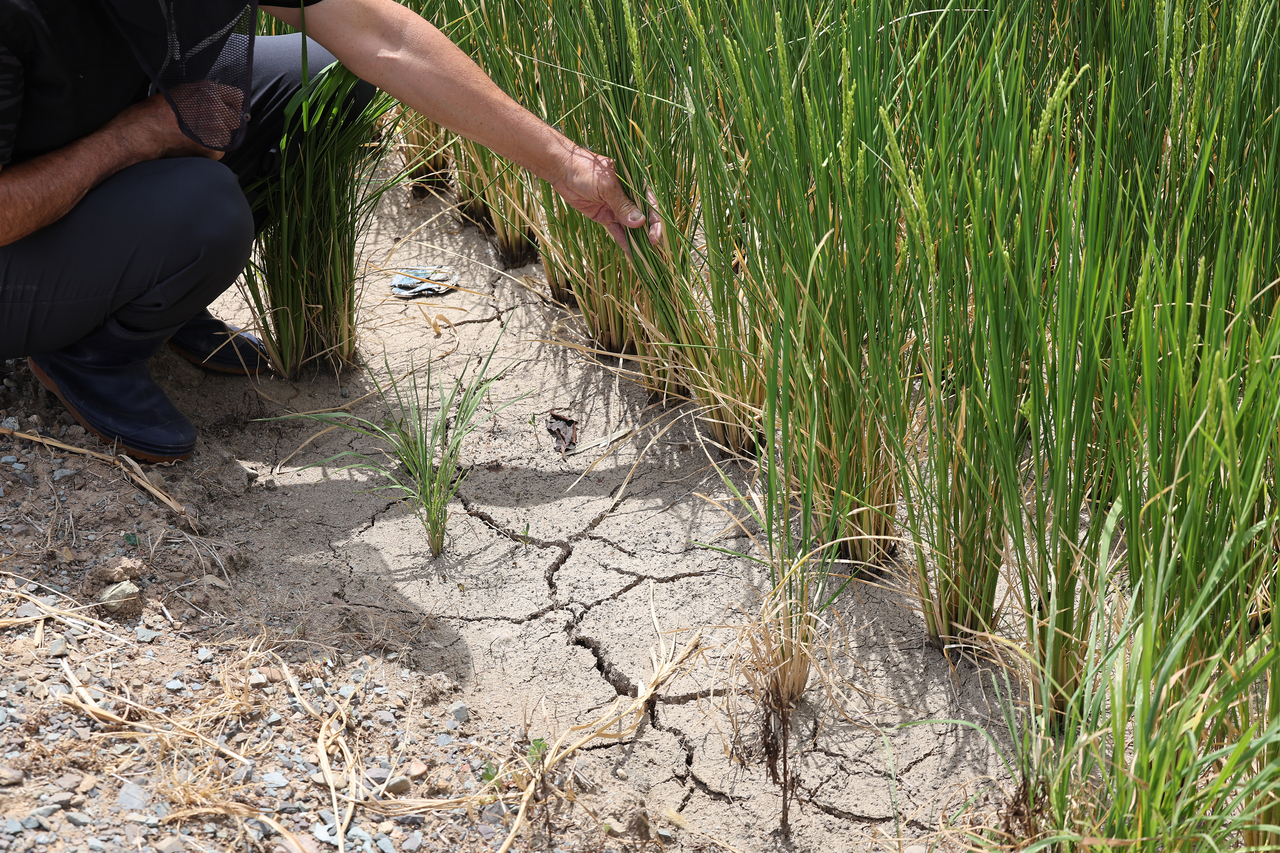
Most people rarely notice the shortage, because the infrastructure for supplying and treating water is well developed. According to the UN, 99 percent of the population had access to safely managed drinking water services as of 2024.
In short, while water is relatively scarce in absolute terms, the country's well-built supply and treatment infrastructure means shortages are not felt in daily life.
Whether that will remain true is far from certain. Climate change is already altering precipitation patterns in ways that could disrupt the balance.
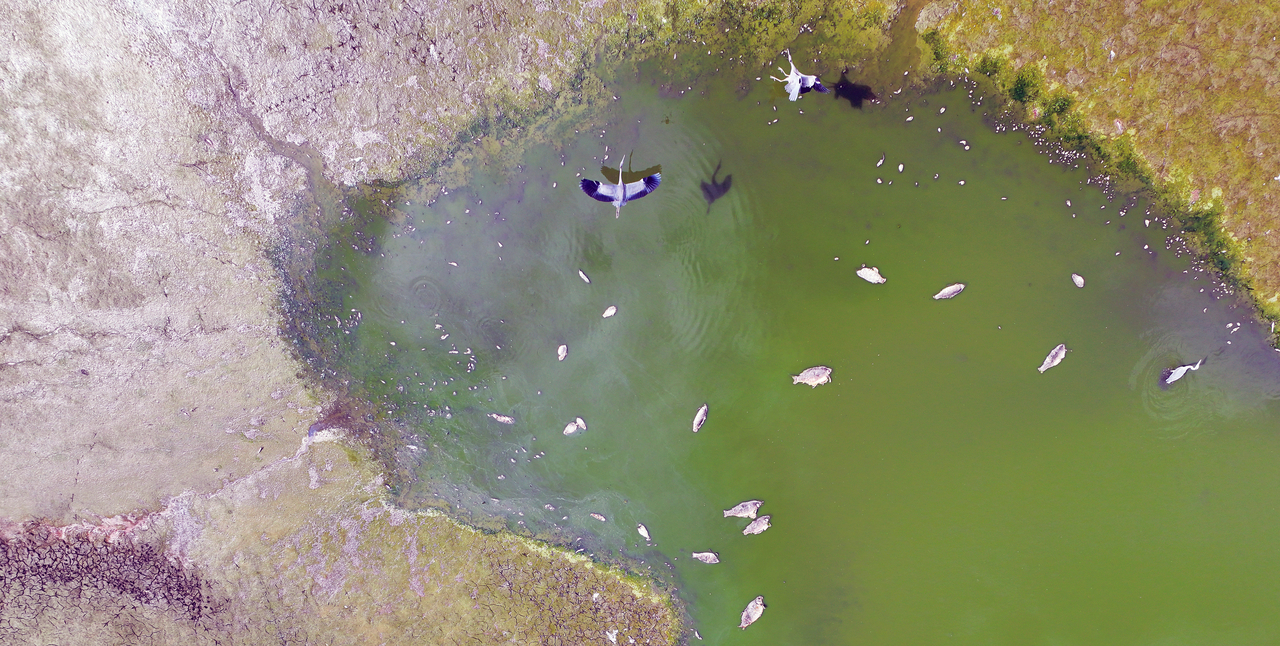
Localized torrential downpours are becoming more frequent, while other areas are experiencing more prolonged droughts that disrupt everyday life.
A stark example unfolded last year in Gangneung, Gangwon Province. Cumulative rainfall in Gangneung from April through August last year reached only 32.6 percent of the historical average, according to Gangwon Province. The storage level at Obong Reservoir — which supplies about 87 percent of the city's residential water — fell to 11.5 percent, forcing authorities to implement water rationing.
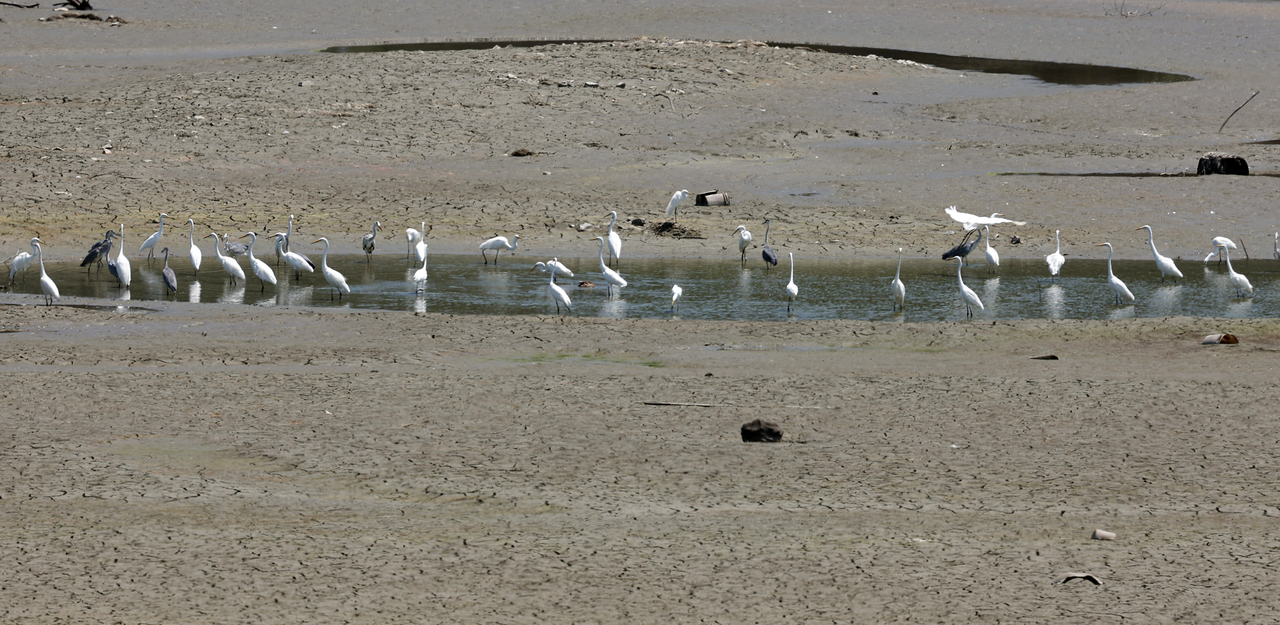
The impact extended beyond households. Restaurants that rely on large volumes of water struggled to operate, and some cafes resorted to buying bottled water to make drinks instead of using tap water. As climate change began to cut into a resource people had long taken for granted, livelihoods started to suffer.
Similar problems emerged this year. In August, a combination of extreme heat and drought disrupted residential water supplies in Cheongdo-gun, North Gyeongsang Province, requiring water tanker trucks to be deployed. In Pohang and Gyeongju, authorities changed water intake sources and drew up emergency plans to secure adequate supplies.
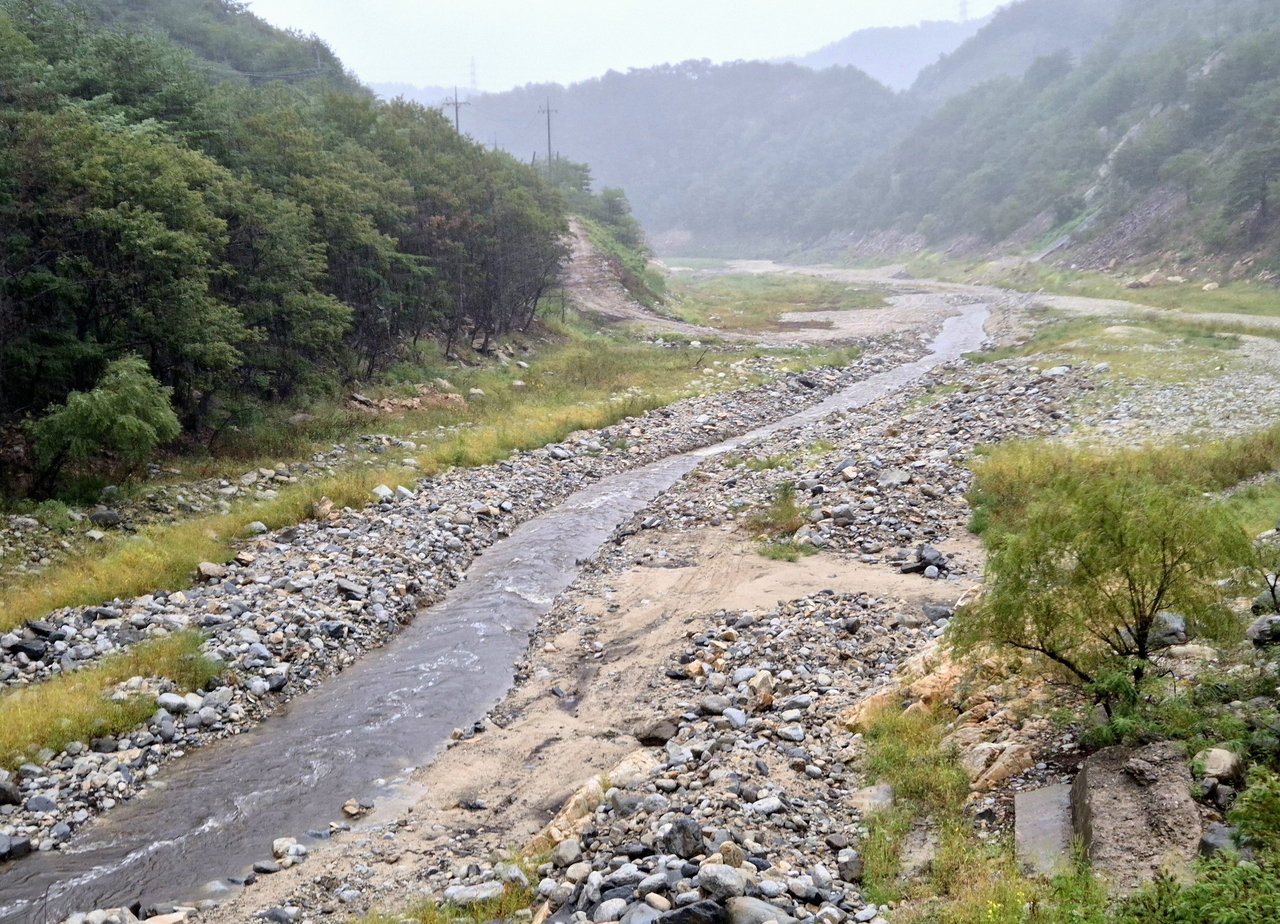
The drought persisted into autumn. The Ministry of Interior and Safety's October drought watch and warning report, released last month, recorded meteorological drought conditions across 97 regions nationwide as of Oct. 1. Cumulative nationwide precipitation over the preceding six months stood at just 72.5 percent of the historical average, and the average storage rate at agricultural reservoirs across the country was 48.3 percent — well below normal.
The deeper concern is that such conditions may recur. Long-term observation data from the Korea Meteorological Administration show a trend of fewer rainy days than in the past, offset by heavier rainfall when precipitation does occur.
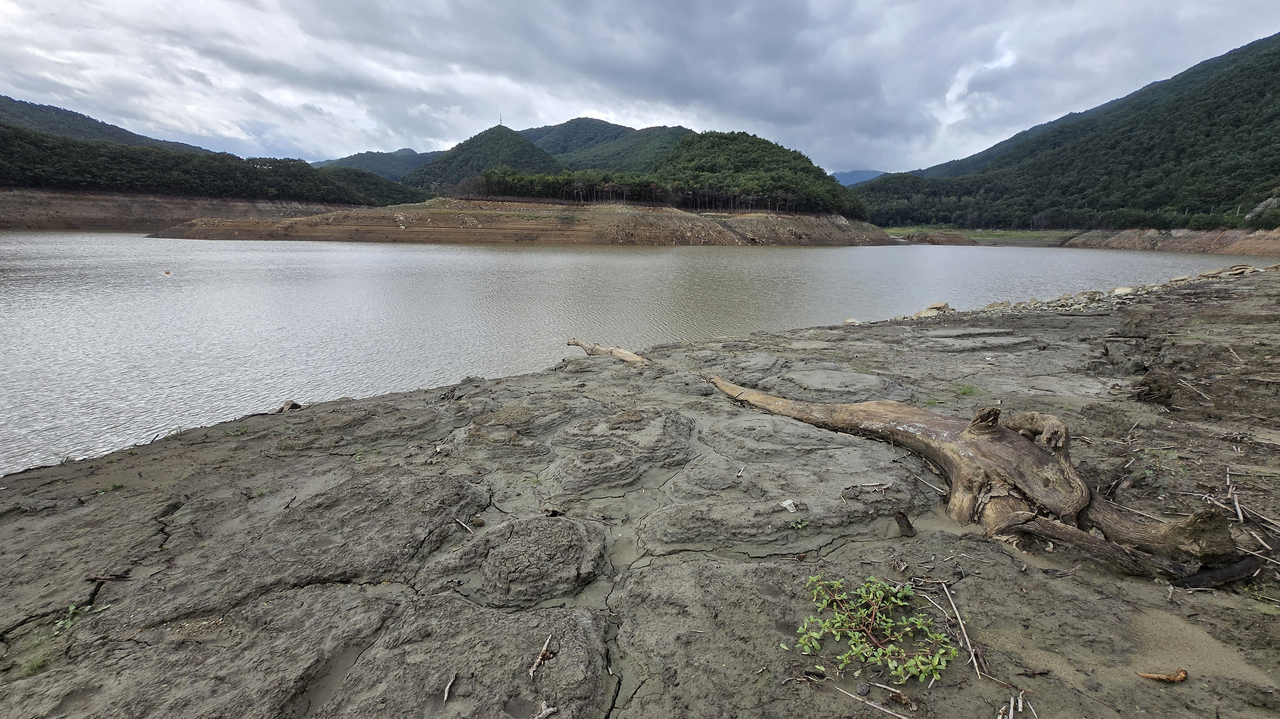
Gangneung itself illustrated the pattern: after months of severe drought, heavy rain concentrated over roughly 10 days caused reservoir levels to recover sharply. The episode underscores how securing water during dry spells will become an increasingly critical challenge.
At the same time, demand for water is growing. The expansion of advanced industries — AI data centers, semiconductor manufacturing and other high-tech sectors — is driving a surge in industrial water needs.
Plans are already underway to supply up to 1.337 million tons of industrial water per day to two large semiconductor clusters being developed in Yongin, Gyeonggi Province — a daily volume that far exceeds 1 million tons.
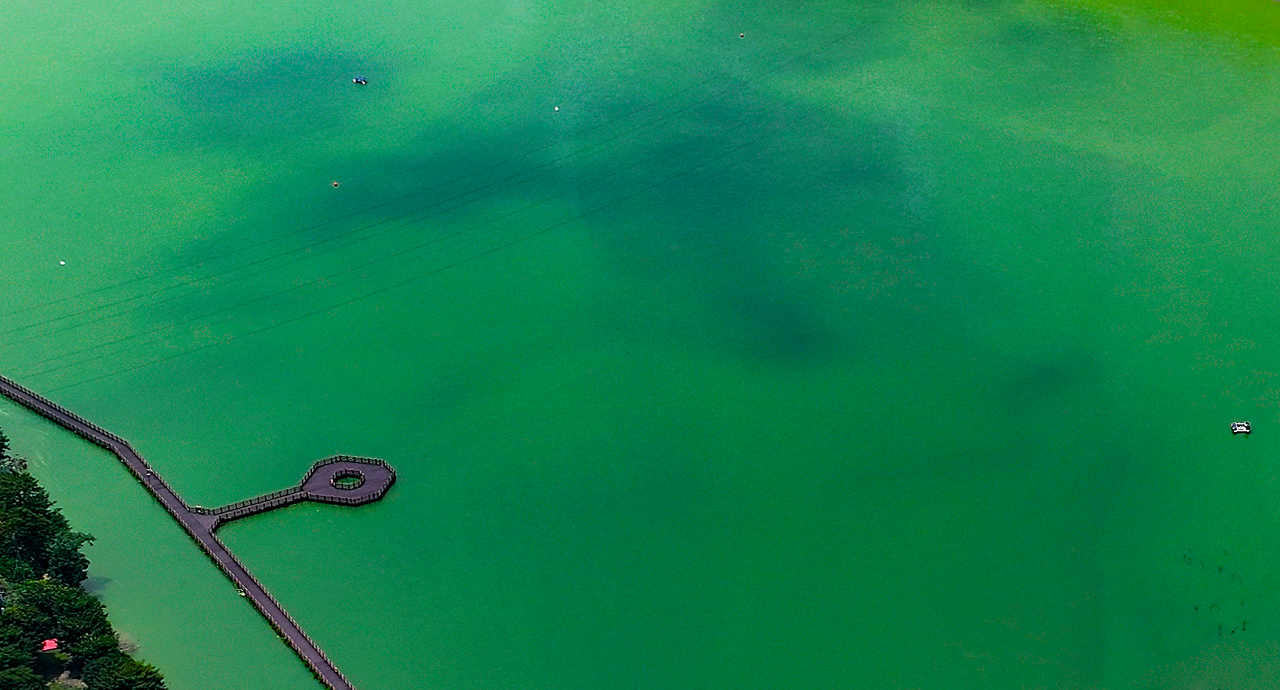
Water used by future industries cannot simply be written off as waste — a stable water supply is essential to nurturing advanced industries. But the need for large volumes of industrial water and the ability to reliably secure that water are two different problems.
If prolonged drought reduces available water, residential, agricultural and industrial needs will all have to be met from a shrinking pool of resources. Experts say this is why the country must take a long-term view — factoring in climate change — when assessing future water demand against what can realistically be supplied.
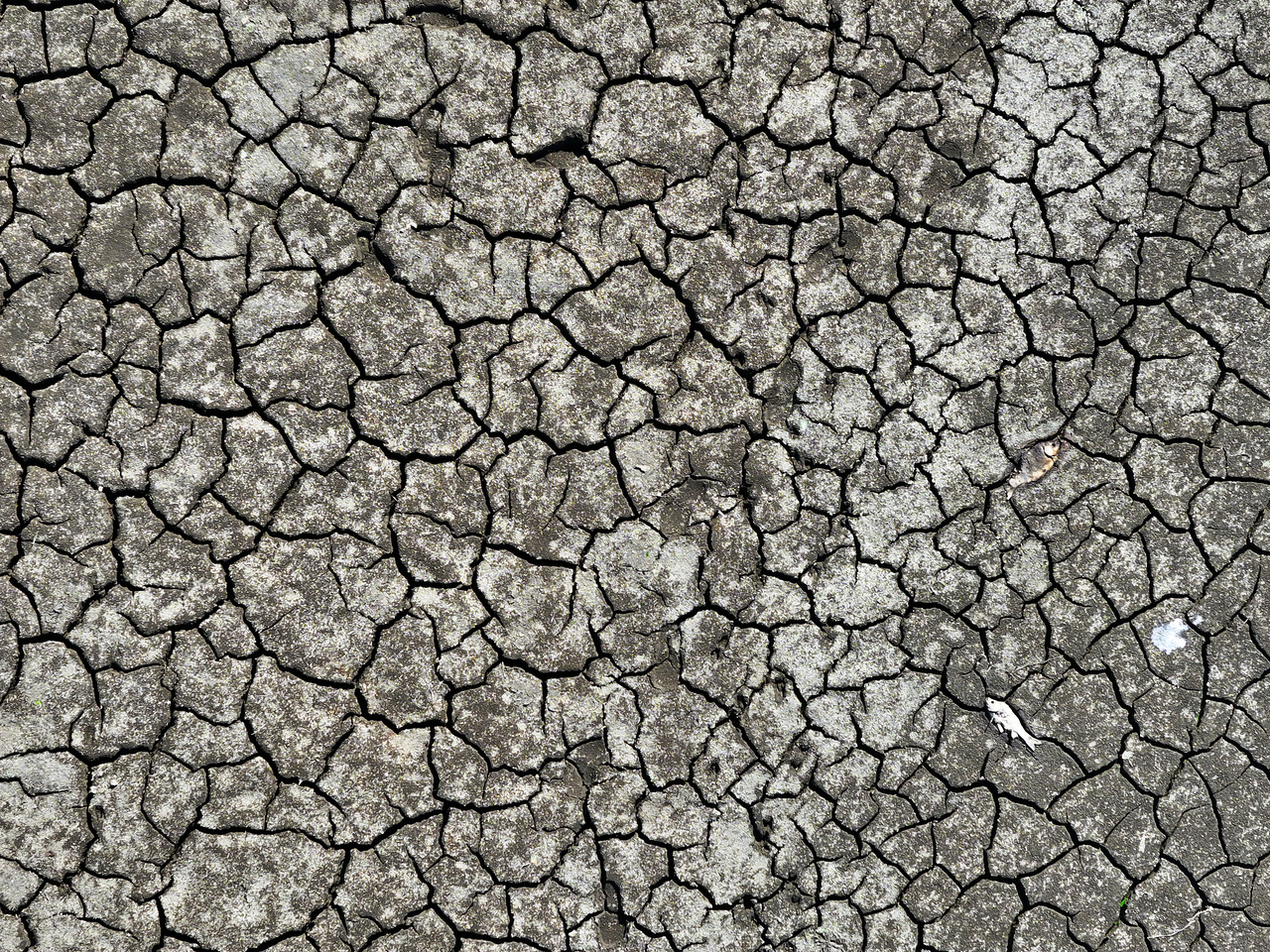
The international community has been raising similar concerns for years. In a 2018 report analyzing South Korea's management of water, energy, land and food, the OECD warned that industrialization, urbanization and climate change were placing growing pressure on the country's water resources.
The organization recommended that South Korea consider water demand across agriculture, industry and residential use together, and develop long-term management plans to prepare for future drought and water shortage risks — noting that simply diverting water from elsewhere when shortages arise has its limits.
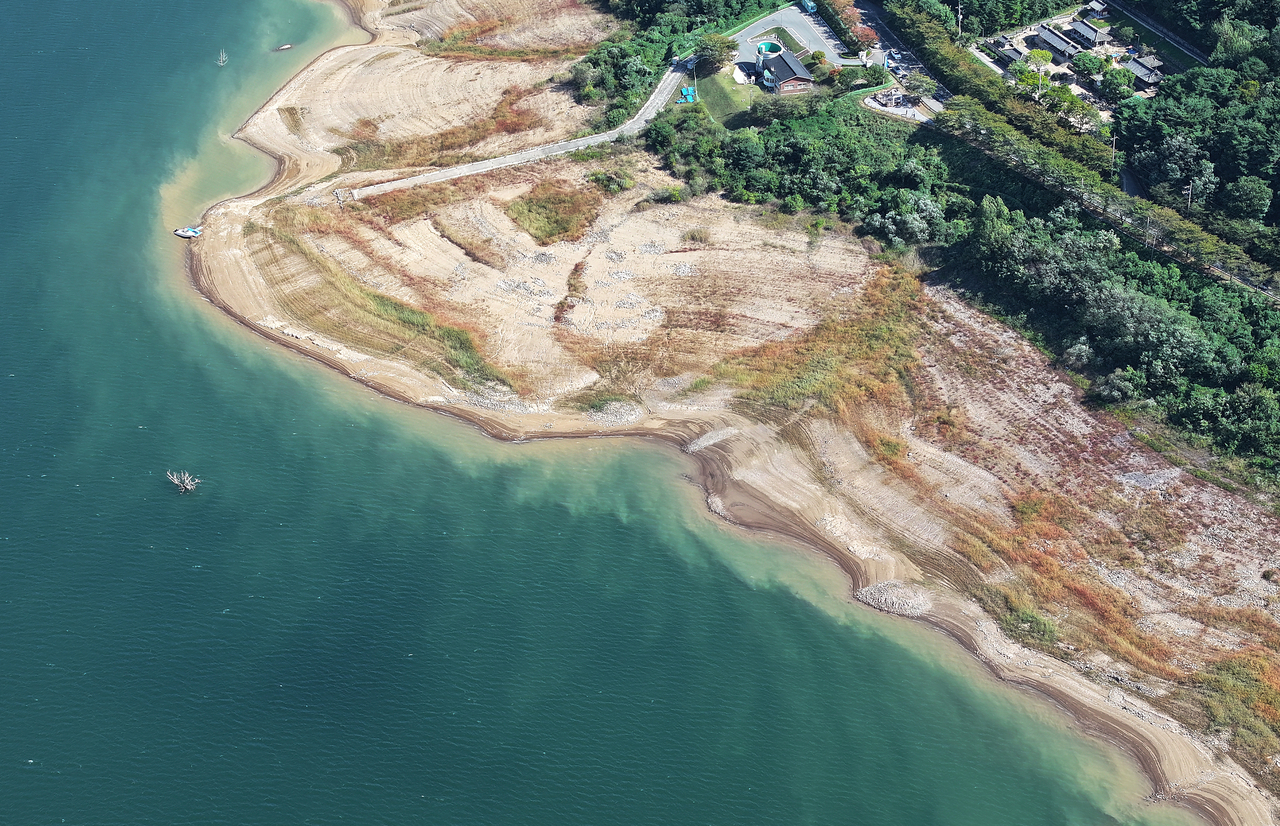
Maintaining the everyday reality of clean water at the turn of a tap will require the country to think carefully about how it secures and allocates its finite water resources.
"Korea has planned its water resources based on the worst droughts of the past, but historical climate records do not necessarily represent the future," the OECD said. "Facing high levels of water stress, Korea will need to significantly improve water-use efficiency and water allocation to meet growing demand and sustain economic growth."
woo@heraldcorp.com