FT poll: 68% disapprove of Trump's inflation response
77% of independents dissatisfied; Trump approval rating at 34%
Democrats hold 14-point edge on economic competence
Axios: signs point to Democratic landslide
One Trump story a day: The Herald Business international desk, on the move from 5 a.m., delivers a daily briefing — from Wall Street's closing bell to the Trump news most likely to move global markets — readable in under a minute. Subscribe at https://1day1trump.stibee.com/
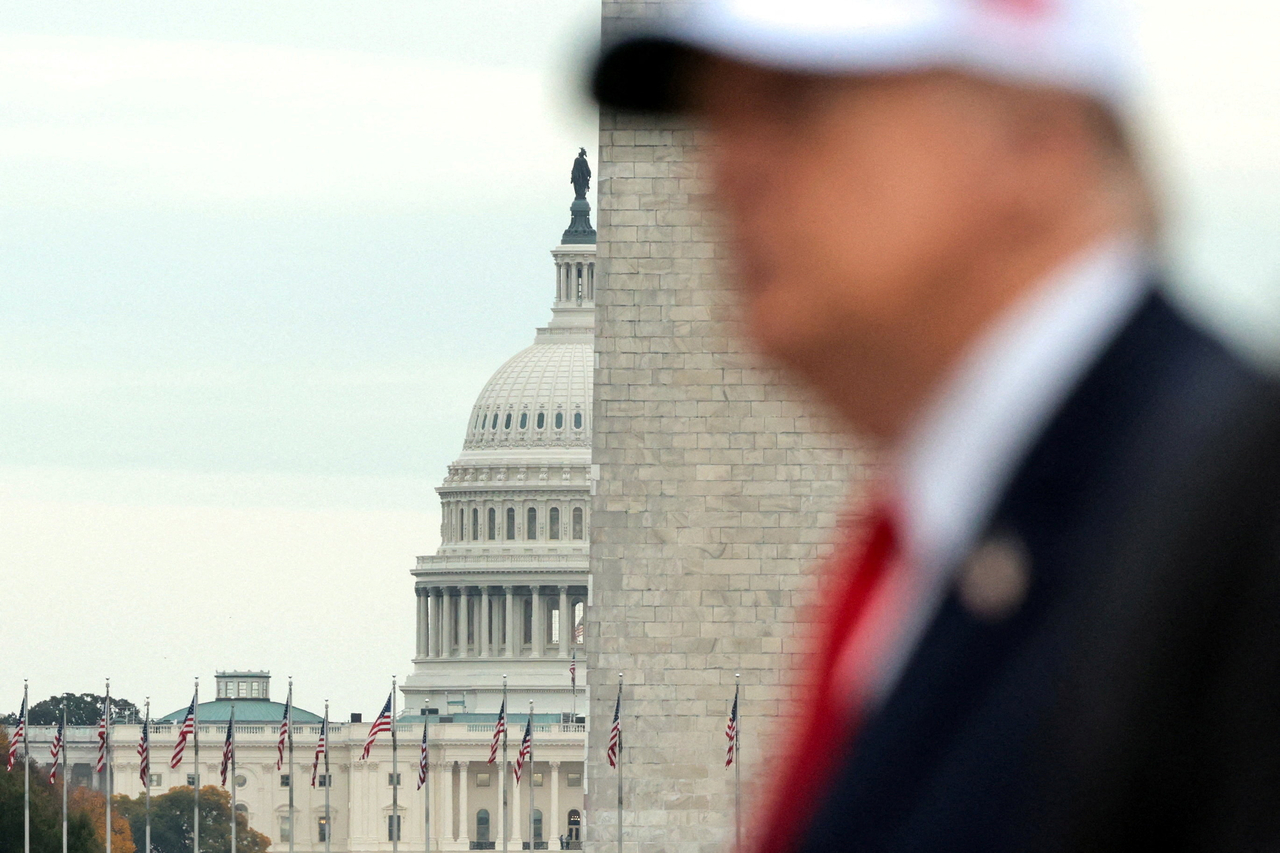
With the US midterm elections one day away, inflation has emerged as Donald Trump's biggest political liability. Nearly seven in 10 American voters say they are dissatisfied with how the president has handled rising prices, and talk has turned to whether Democrats could sweep both chambers of Congress — a scenario some are calling a "blue tsunami."
According to the Financial Times, a poll conducted by Focal Data from Oct. 30 through Nov. 1 among 2,163 registered voters found that 68 percent were dissatisfied with Trump's handling of inflation and the cost of living. The survey carried a margin of error of plus or minus 2.5 percentage points.
The discontent was even sharper among independent voters, who often determine election outcomes: 77 percent of those with no party affiliation gave Trump negative marks on prices — more than three in four.
Voters also identified bringing down inflation and restoring economic growth as the most urgent priorities after the midterms. On the question of which party is better equipped to tackle inflation and the cost of living, Democrats held a roughly 14-percentage-point advantage over Republicans.
Trump's overall approval rating has also continued to slide. The Financial Times' latest polling put it at 34 percent.
The mounting frustration over high prices has prompted some Republican candidates to distance themselves from Trump, amid fears that voter backlash over fuel costs and living expenses could hurt their chances at the polls.
The poll was conducted as the United States and Iran entered the eighth month of their ongoing war. Energy prices have risen as a result of the conflict, adding to the financial strain on American households.
Immigration — a signature issue for the Trump administration — ranked lower on voters' list of priorities. Only 28 percent said immigration should be the top issue to address after the midterms.
Concerns about government corruption were also significant. A separate Financial Times poll conducted in mid-October found that 69 percent of respondents said they were worried about corruption within the Trump administration.
Trump, speaking at a rally the day before the election, called the midterms "the most important midterm election of our lifetime" in a last-ditch push to energize his base. But a string of pre-election polls has delivered uncomfortable results for Republicans.
A New York Times/Siena College poll released Sunday showed Democratic candidates leading in six of seven key battleground states that will determine control of the Senate. In the remaining state, the two candidates were effectively tied.
Some analysts have raised the prospect that Democrats could go beyond recapturing the House and take the Senate as well.
On the US prediction betting platform Kalshi, the implied probability of Democrats winning both chambers stood at 73 percent. That figure, however, reflects the prices at which market participants are trading contracts — not a poll result — and does not guarantee any particular outcome.
Contracts worth around $100 million have reportedly changed hands in Kalshi's congressional control markets. Prediction markets have drawn growing attention as a gauge of electoral momentum since they correctly forecast Trump's victory in the 2024 presidential election.
Axios raised the prospect of a Democratic "blue tsunami" — a landslide sweep — that day, writing that "nearly every major indicator" pointed to a decisive Democratic victory in the midterms.
A pre-election polling lead does not guarantee actual seat gains, however. Control of the Senate hinges on state-by-state results, making turnout and late-breaking voter sentiment in competitive races especially consequential.
The clearest message from American voters heading into these midterms has been economic: grocery prices and the cost of living, not Trump's political controversies, have driven the sharpest discontent. With everyday economic concerns overshadowing the immigration and foreign policy themes Trump has championed, all eyes are on whether anti-inflation sentiment will translate into votes on Election Day.
sjy@heraldcorp.com