Background to the financial company governance reform plan
Third-term bids to require 75% approval at nomination panel, shareholder meeting
Regulator pivots to procedural checks to avoid constitutional concerns over outright ban
Plan to be finalized after ruling party policy consultations
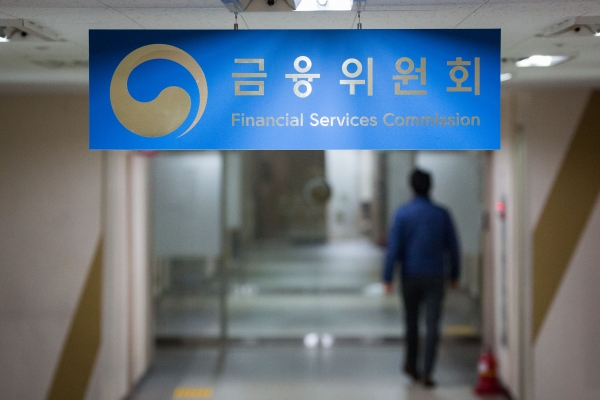
South Korea's financial regulator has refined its corporate governance reform plan to raise the approval thresholds required at executive nomination committees and shareholder meetings each time a financial holding company chief seeks an additional term, rather than imposing a direct legal ban on extended tenures. While options ranging from an outright three-term ban to a unanimous nomination committee vote were considered, the approach that has gained the most traction is a tiered system that progressively tightens the appointment process.
According to financial industry and political sources, the Financial Services Commission briefed Democratic Party of Korea lawmakers on the National Assembly's Political Affairs Committee on the governance reform plan on Monday.
The core of the proposal is to vary the approval thresholds required at both the executive nomination committee and the shareholder meeting depending on how many terms a candidate has already served. The plan is expected to be finalized after further consultations between the ruling party and the government.
For an initial appointment, a candidate must secure the support of at least two-thirds of nomination committee members. At the subsequent shareholder meeting, approval requires a majority of voting rights held by attending shareholders and at least one-quarter of total issued shares.
The bar rises from the first renewal onward. A candidate seeking a first additional term must win at least three-quarters of nomination committee votes, and at the shareholder meeting must obtain the support of at least two-thirds of attending shareholders' voting rights and at least one-third of total issued shares.
For a third term, the nomination committee threshold remains at three-quarters, but the shareholder meeting requirement tightens further: at least three-quarters of attending shareholders' voting rights and more than half of total issued shares must approve. Under this structure, if a financial holding company's nomination committee comprises seven outside directors, opposition from just two members would be enough to block a renewal bid.
The FSC had initially considered capping total tenure at six years, but concerns over constitutionality and potential infringement of shareholder rights led it to soften its stance on a statutory three-term ban. A requirement for unanimous nomination committee approval was subsequently floated, but more recent discussions have centered on the three-quarters committee threshold combined with the tightened shareholder meeting requirements.

The FSC said no specific plan has been finalized. "It is only under review — nothing has been decided," an FSC official said.
Some in the financial industry question whether raising approval thresholds alone will be enough to meaningfully check long tenures, noting that the outcome will depend heavily on how boards and shareholder meetings are run. Because candidates typically go through a shortlisting, vetting and interview process before reaching a final vote, a significant degree of consensus is often already in place by the time a formal ballot is held.
Some observers interpret the approach as an attempt to deter long tenures in practice through procedural hurdles rather than an outright legal prohibition. "The law won't bar a third term outright, but if signs of an extended tenure emerge, the regulator is likely to scrutinize the succession process and the board's role very closely," one financial industry official said. "Even if a candidate could pass a final vote, there are enough procedural checkpoints before that stage where the process could be stopped."
On related transparency measures, the chair of the nomination committee will be required to explain the grounds for a candidate's recommendation at the shareholder meeting, and a statement signed by all committee members must be provided to shareholders when the meeting is convened. Any contact between the incumbent chief and nomination committee members during the selection process for a successor must be disclosed, including the reason and substance of the contact. The plan also calls for disclosing not only a candidate's business performance record but also any history of financial misconduct or other social controversies, so that shareholders can make a fully informed judgment.
Age limits that major financial holding companies have set internally are another variable that could determine whether a renewal bid is viable in practice. KB Financial Group and Woori Financial Group apply a ceiling of under 70 at the time of appointment or reappointment, while Hana Financial Group uses the same 70-year threshold but guarantees any term already granted. Shinhan Financial Group is comparatively strict, requiring candidates to be under 67 for a new appointment and under 70 for a renewal. NH NongHyup Financial Group, by contrast, has no age ceiling.
rim@heraldcorp.com