France sees 320,000 protesters in third straight weekend of unrest
Germany blames 'far-left extremists' and rioters with immigrant backgrounds
Demonstrations also spread to Portugal, Albania and Switzerland
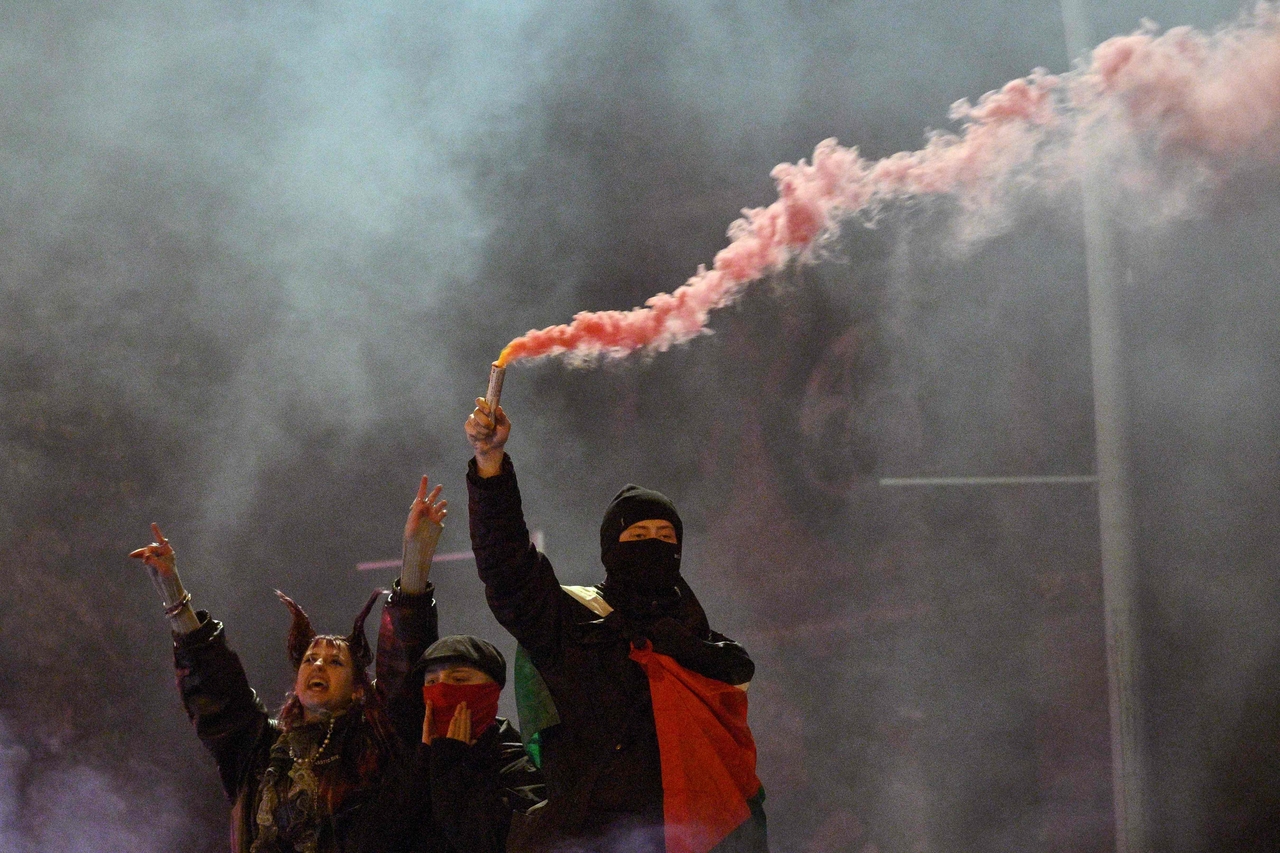
Youth protests that have swept across Europe turned violent in several cities over the weekend. In France, demonstrators hurled homemade explosives at police, while in Germany rioters threw Molotov cocktails and looted shops, prompting authorities to open investigations. As unrest spread to Portugal, Switzerland and beyond, police in countries such as the Netherlands — where protests had yet to materialize — moved preemptively to maintain order.
According to the Guardian and other foreign media, large-scale weekend protests broke out across France on Saturday, coinciding with Halloween. The demonstrations, now in their third consecutive weekend, drew an estimated 320,000 people nationwide. That figure was down from 550,000 on Oct. 17, when the first weekend protests took place, and 410,000 the following Saturday. Most participants took to the streets in Halloween costumes.
French authorities responded forcefully, deploying large numbers of police and imposing nighttime movement restrictions. Paris police issued a curfew banning movement around Place de la République and Les Halles from 11 p.m. Saturday to 6 a.m. Sunday. Around the Champs-Élysées, where looting had previously occurred, unaccompanied minors were subject to a curfew from 9 p.m.
As darkness fell, violence broke out in Paris, Lyon, Toulouse and other cities, with some demonstrators throwing Molotov cocktails and other projectiles at police. In one incident, an officer was set on fire after a homemade explosive device was thrown at the officer. The Paris prosecutor's office said explosive devices had been hurled at 15 police officers and gendarmes, and announced it had opened an investigation into attempted murder of law enforcement personnel.
France's Interior Ministry said that as of noon Sunday, 779 protesters had been arrested and 159 police officers and gendarmes injured. Thirty-six shops were also damaged or looted.
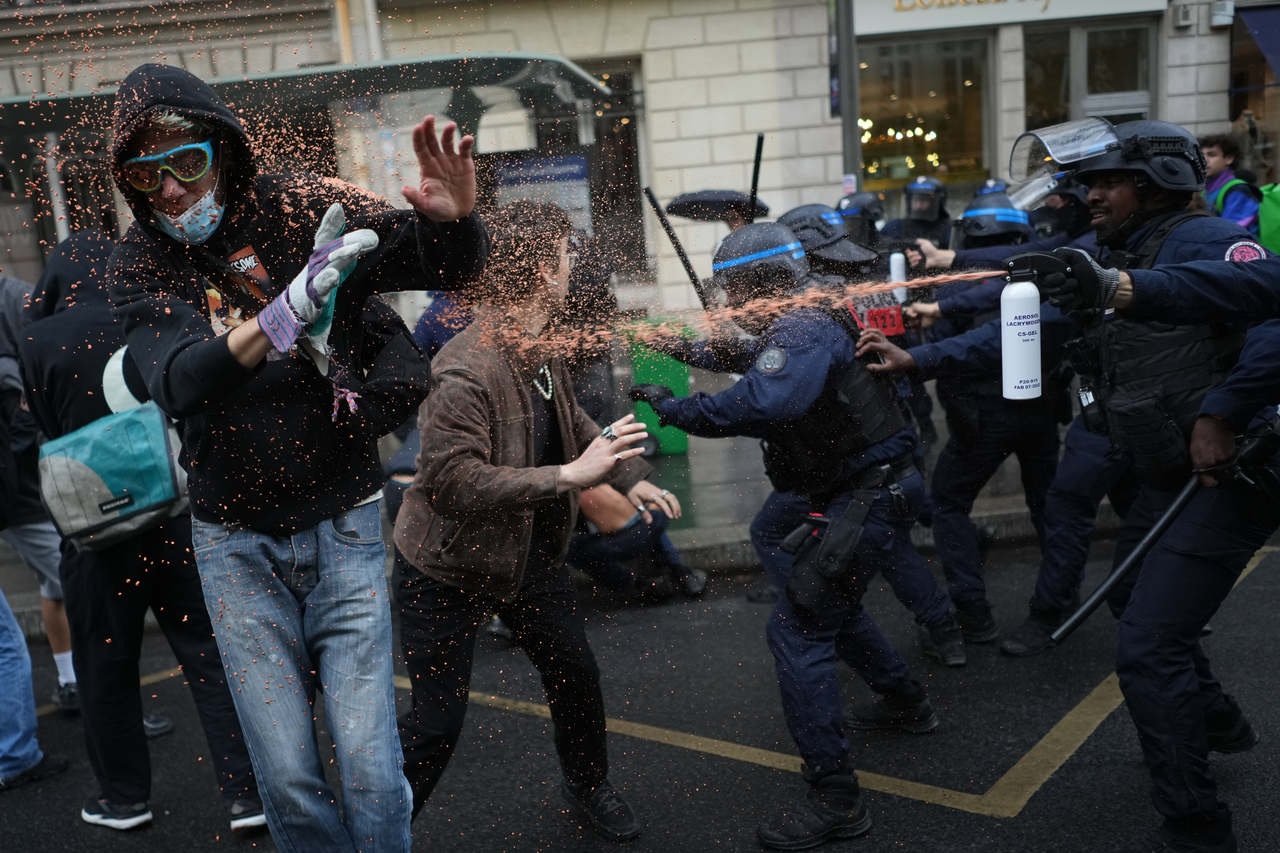
In Germany, protests led by the youth group GenZRegelt — whose name translates roughly as "Generation Z takes charge" — took place in more than 30 cities on the same day. Demonstrators called for improvements to education and relief from the rising cost of living, mirroring demands heard in France. Foreign media, including the Guardian, estimated turnout at more than 100,000.
Violence broke out in Frankfurt, Berlin, Cologne and Hamburg. According to authorities in the state of Hesse, hooded demonstrators damaged 17 shops and looted five others in Frankfurt, and threw Molotov cocktails at police. Fifty-four people between the ages of 13 and 29 were arrested, and more than 100 police officers were injured at the scene.
In Berlin, protesters attacked police with bottles and fireworks, leaving 27 officers injured and resulting in 56 arrests.
Violence also erupted in Cologne, where police deployed water cannons. In Hamburg, people dressed in black were reported to have fired fireworks and set barricades ablaze. Public broadcaster NDR reported that 120 people were taken into custody in Hamburg alone.
German authorities blamed the violence on far-left extremist groups and rioters with immigrant backgrounds. Mainstream politicians called for harsh penalties against violent far-left organizations and immigrant-background troublemakers in the wake of the unrest.
Interior Minister Alexander Dobrindt of the Christian Social Union said in an interview with the tabloid Bild that "violent left-wing groups and troublemakers from immigrant communities hijacked what had been a peaceful protest," adding that authorities would "track down the rioters and looters and hold them accountable."
Roman Poseck, interior minister of Hesse and a member of Chancellor Friedrich Merz's Christian Democratic Union, said the unrest had exposed "the violent potential of left-wing extremists and young people with mostly immigrant backgrounds." He argued that "we must not shy away from this issue" and called for an end to what he described as a reflexive reluctance to discuss immigrant-related crime.
Facing a backlash, GenZRegelt distanced itself from all acts of violence.
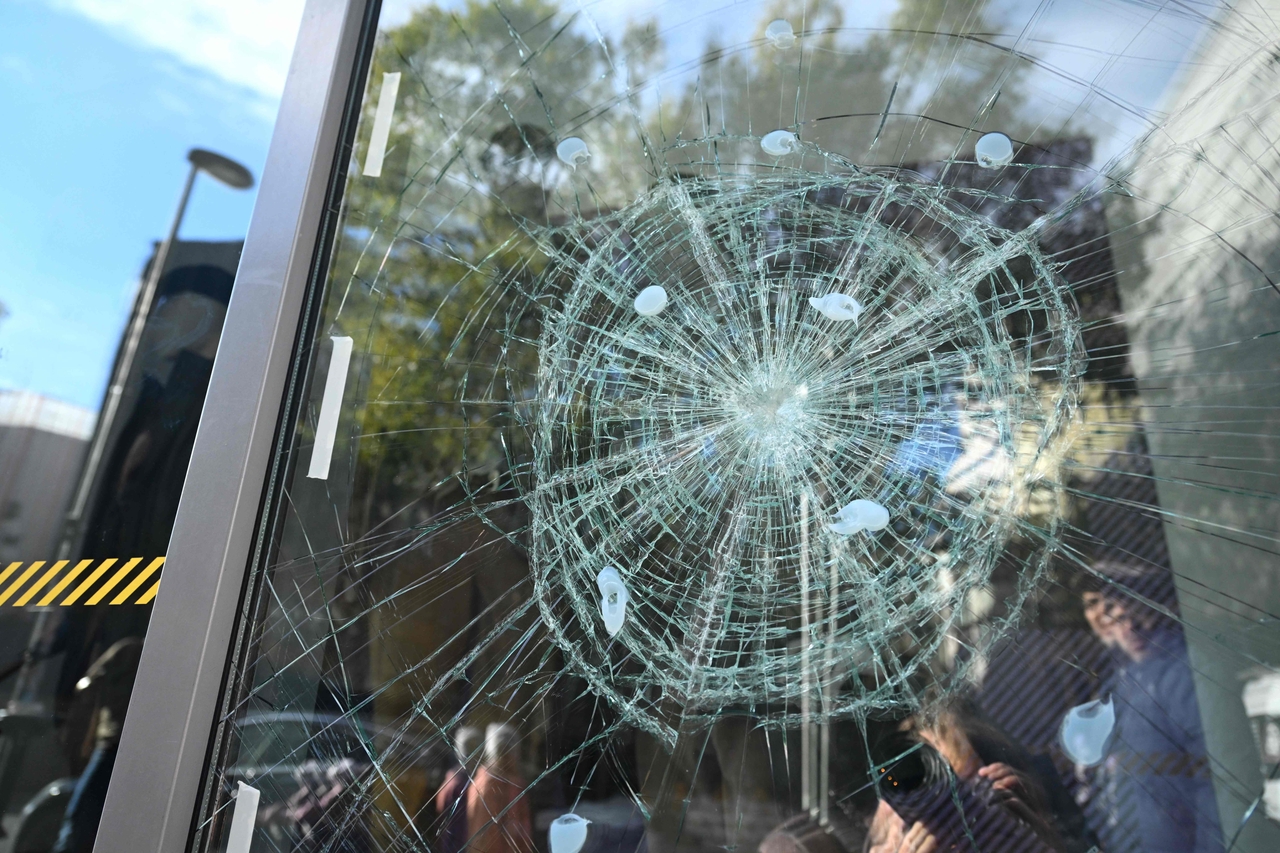
Protests spread across Europe to Portugal and Albania. In Portugal, thousands took to the streets on the same day to protest the housing crisis, with families carrying young children joining the demonstrations to demand the right to affordable housing. Portuguese police forcibly dispersed protesters who had been staging a sit-in at Rossio Square in Lisbon at around 4:30 a.m. Sunday.
In Zurich and Basel, Switzerland, hundreds rallied under the slogan "Switzerland has had enough." Some demonstrators attacked police with fireworks, bottles and stones, and set fire to street bins and electric bicycles. Police responded with tear gas and water cannons.
In Tirana, Albania's capital, protests were driven by political rather than economic grievances — demonstrators demanded the resignation of Prime Minister Edi Rama over corruption allegations. Reports indicated that 350 people were injured, including 200 police officers, and 269 minors were arrested.
As unrest gripped much of Europe, cities where protests had not yet occurred took preemptive measures. The Hague deployed large numbers of police to its downtown shopping district on Saturday. Local shops boarded up their doors and windows in anticipation of possible trouble. No protests or violence had been reported there, but the moves reflected a broader effort to get ahead of any potential unrest.
kate01@heraldcorp.com