N. Korea's taekwondo listing appears likely
S. Korea's bid faces 2028 review
CHA pursues solo or expanded registration
Hanji craft poised to become Korea's 24th UNESCO entry
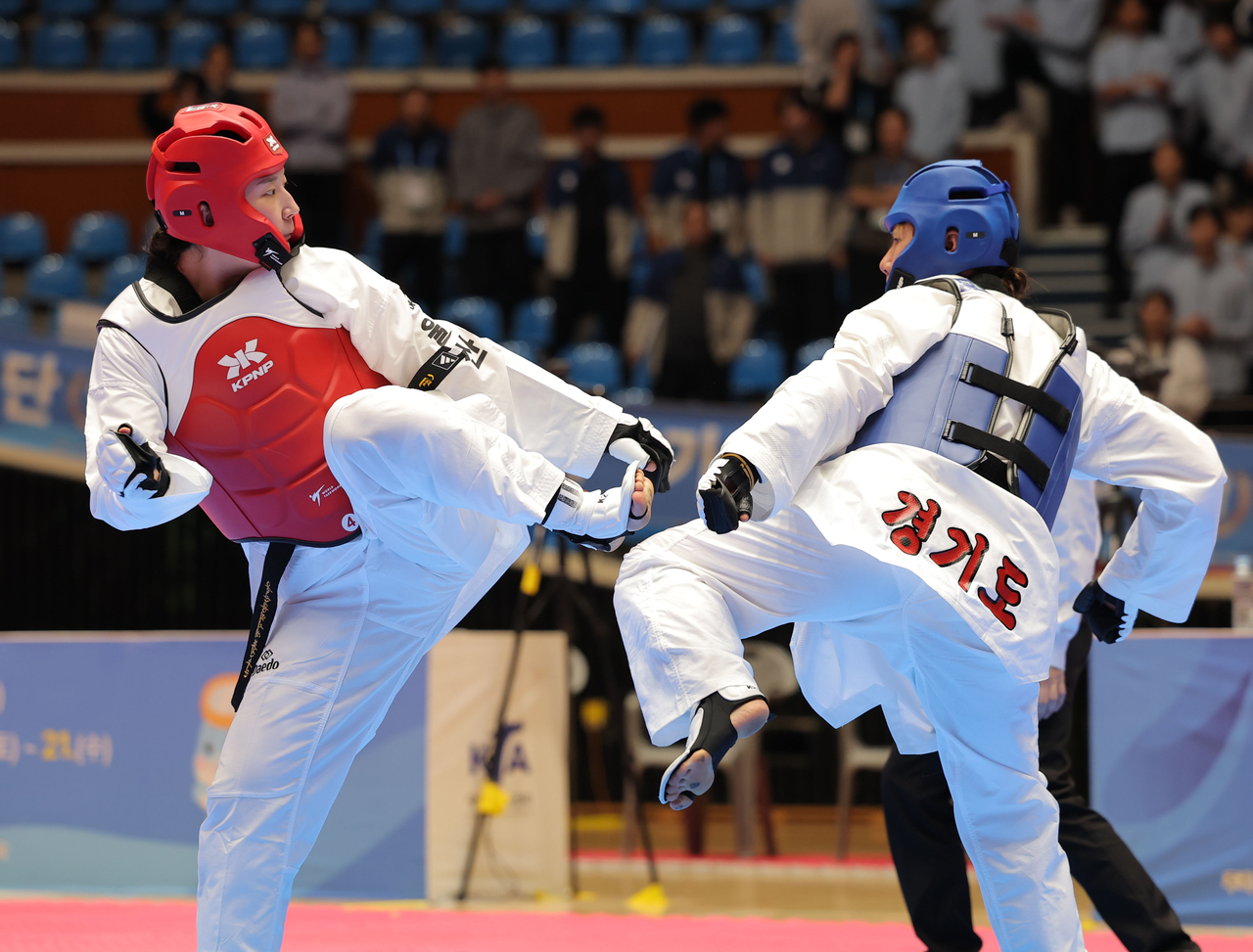
North Korea's taekwondo is expected to receive a recommendation for inscription from UNESCO's evaluation body for the Intangible Cultural Heritage of Humanity, raising the likelihood of a solo listing — and in effect dashing South Korea's hopes of a joint inter-Korean registration. South Korea, which has led the globalization of taekwondo, submitted its own application in March and must now wait for a UNESCO committee decision in 2028.
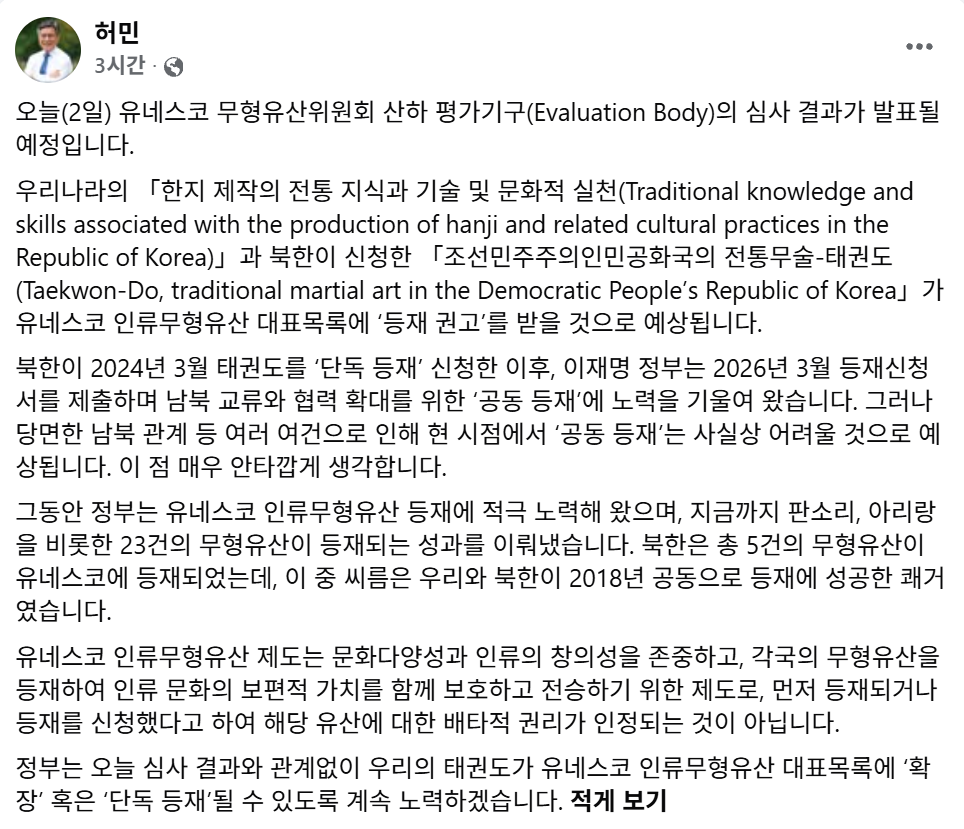
Cultural Heritage Administration Commissioner Heo Min said Monday on SNS that North Korea's submission — titled "Traditional Martial Art of the Democratic People's Republic of Korea — Taekwondo" — was expected to receive a recommendation for inscription from the UNESCO evaluation body.
Heo added that after North Korea filed for solo registration in March 2024, the Lee Jae Myung government submitted its own application in March 2026 and had worked toward a joint listing as a way to expand inter-Korean exchange and cooperation. "Given the current state of inter-Korean relations and various other circumstances, a joint listing appears in effect unlikely at this point," Heo said. "I find this deeply regrettable."
The evaluation body under UNESCO's Intergovernmental Committee for the Safeguarding of the Intangible Cultural Heritage reviews applications and issues one of three recommendations: inscription, referral back for more information, or non-inscription. A recommendation for inscription almost always leads to a final listing by the committee unless there are exceptional circumstances. The final decision will be made at the 21st session of the Intangible Cultural Heritage Committee, to be held in Xiamen, China, from Nov. 30 to Dec. 5.
If North Korea's taekwondo listing is confirmed, the country's total UNESCO Intangible Cultural Heritage of Humanity entries will rise to six. North Korea currently holds five: Arirang (2014), kimchi-making (2015), ssireum wrestling (2018, jointly with South Korea), Pyongyang naengmyeon (2022), and Joseon clothing customs — traditional knowledge, technology and social practices of North Korea (2024).
North Korea filed its application in March 2024. South Korea, by contrast, selected taekwondo as a registration candidate in January this year and submitted its application — titled "Taekwondo: the culture of communal training in Korean dojangs" — in March. South Korea's taekwondo listing will therefore be decided at the UNESCO Intangible Cultural Heritage Committee in December 2028. If North Korea's entry is confirmed this year, it will be added to the UNESCO list two years ahead of South Korea.
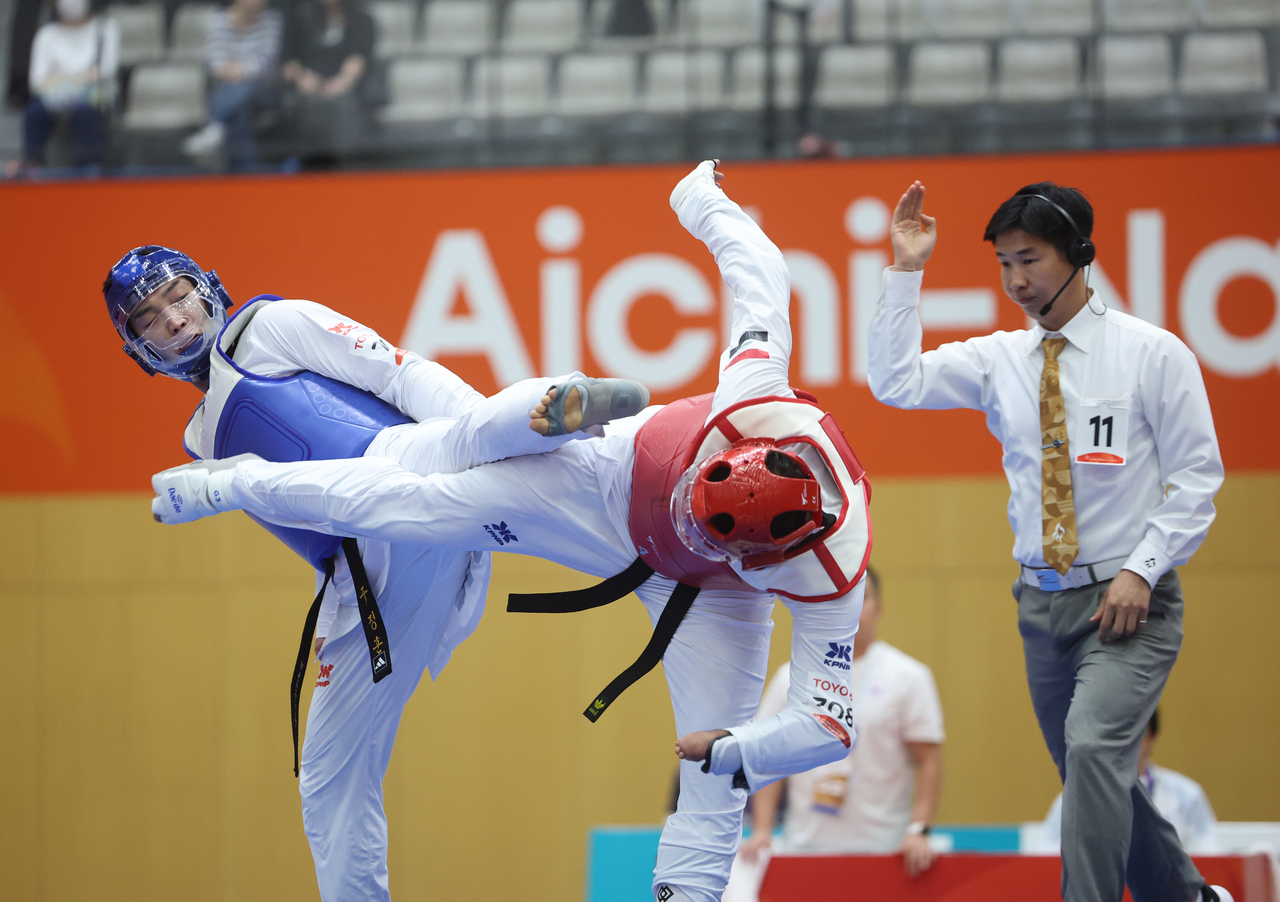
South Korea has led the globalization of taekwondo through World Taekwondo, driving the sport's inclusion as an official Olympic event at the 2000 Sydney Games. North Korea, meanwhile, has developed its own transmission system centered on the International Taekwon-Do Federation.
The UNESCO intangible heritage system does not grant any country exclusive rights over a listed element, and there is precedent for the two Koreas registering the same cultural heritage separately at different times — as with Arirang and kimchi. South Korea's standing as the home of taekwondo is therefore not immediately undermined. Still, North Korea will claim the first page of the official UNESCO record on taekwondo's history and transmission culture, and critics say South Korea has fumbled a moment of cultural diplomacy.
Heo said the intangible heritage system was designed to respect cultural diversity and human creativity, and to protect and transmit the universal value of humanity's cultural heritage by registering intangible heritage from each country — not to confer exclusive rights on whoever registers first. "Regardless of Monday's evaluation result, the government will continue working to ensure that our taekwondo is inscribed on the UNESCO Representative List of the Intangible Cultural Heritage of Humanity, whether through an expanded or a solo listing," Heo said.
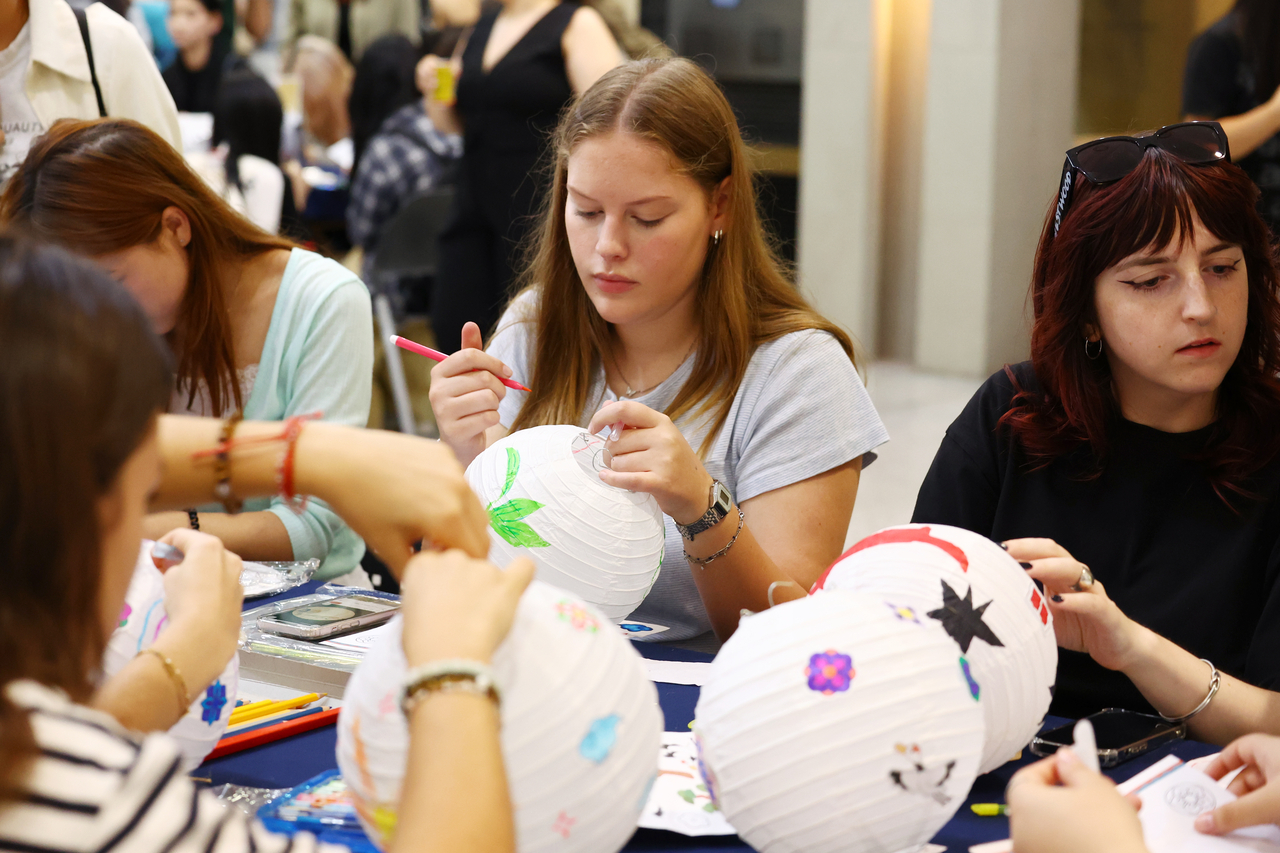
Meanwhile, South Korea's bid to inscribe "Traditional knowledge, skills and cultural practices of hanji-making" is also expected to receive a recommendation for inscription from the evaluation body, putting the country on track for its 24th UNESCO Intangible Cultural Heritage of Humanity entry. South Korea has held 23 such entries since its first — "Jongmyo Jerye and Jongmyo Jeryeak" — in 2001 through to "Korean culture of making jang" in 2024.
terry@heraldcorp.com