Designations recognize contributions to building a carbon-neutral society led by local communities
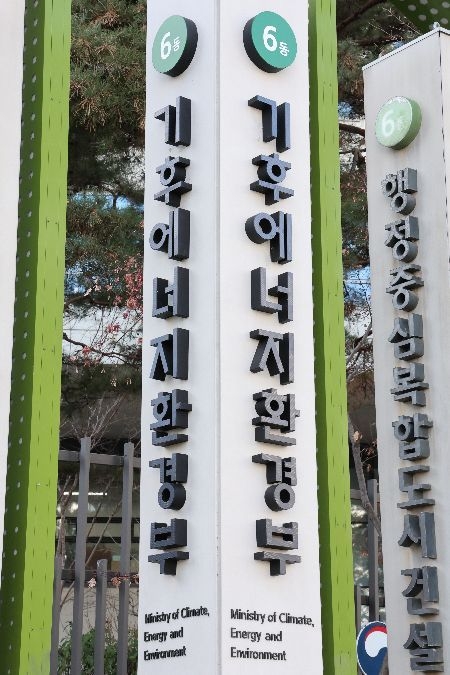
The Ministry of Climate, Environment and Energy announced Monday that it has designated 10 local governments as "2026 Environmental Education Cities," including three metropolitan governments — Busan, Sejong and Jeju — and seven basic local governments: Nowon-gu, Suwon, Ansan, Siheung, Gwangmyeong, Cheonan and Tongyeong.
The environmental education city designation system, first introduced in 2022, identifies and supports local governments with strong environmental education plans, implementation track records and well-established educational infrastructure.
A total of 21 local governments — three metropolitan and 18 basic — applied during the open call period from April 20 to May 26 this year.
The evaluation focused on three criteria: environmental education infrastructure, outcomes and the quality of education plans. Experts in environmental education, general education, environmental administration and urban planning conducted document reviews and on-site assessments, with final selections made after deliberation by the Environmental Education Committee.
The 10 designated governments stood out for their overall implementation foundations — including ordinances to promote environmental education, the establishment and execution of their own environmental education plans, and active operation of regional environmental education centers. Governors, mayors and district mayors also received high marks for their commitment to addressing the climate crisis and achieving carbon neutrality.
Among the metropolitan governments, Busan will pursue ocean-focused education and hands-on field programs; Sejong will concentrate on environmental education for civil servants and training citizen scientists; and Jeju will develop environmental education drawing on local natural resources such as gotjawal forests and volcanic hills known as oreum.
Among the basic local governments, Nowon-gu was recognized for integrated education linking local facilities, Suwon for public-private-industry-academic cooperation and use of local environmental and historical resources, and Ansan for industrial-complex climate and environmental education and citizen-led circular economy initiatives. Siheung was praised for Sihwa Lake-focused education and carbon neutrality practices; Gwangmyeong for citizen-participatory environmental learning; Cheonan for education connected to local institutions and ecological experience sites; and Tongyeong for its specialized approach to fishing-village and marine environmental education.
Busan, Jeju, Suwon, Ansan, Siheung, Gwangmyeong and Tongyeong were redesignated in recognition of their work during the previous designation period, having built model cases of locally tailored environmental education and sustained systematic programs using regional resources.
From 2027 to 2029, the ministry plans to provide expert consultations and opportunities for inter-city cooperation among the designated cities, and to spread best practices nationwide through forums and discussions. The ministry also said it will actively work to secure national budget funding for financial support.
Kim Tae-hun, head of the ministry's Climate, Energy and Environmental Education Team, said the environmental education cities "raise the public's capacity to respond to the climate crisis through education and promote community participation," adding that the designation is an opportunity for "a locally driven, low-carbon green society to take shape."
thlee@heraldcorp.com