
First vice-minister-level meeting sets agenda and order of discussions
Democratic Party lawmakers file competing bills — one with, one without labor exemptions
Use of existing regulations also under review; final outcome undecided
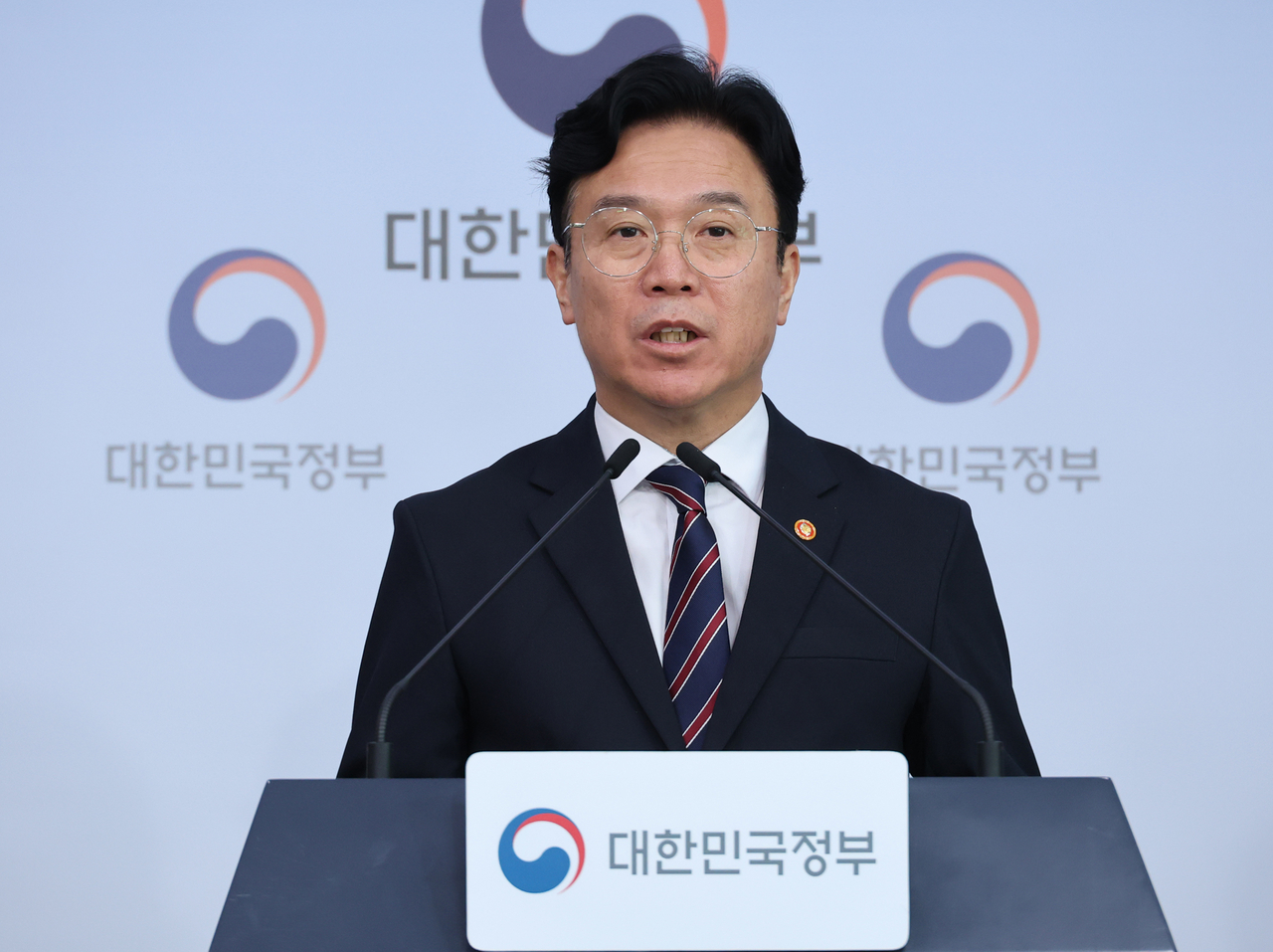
Tripartite talks among labor, management and the government on whether to allow exemptions from the 52-hour workweek cap inside so-called super-regional special zones have begun in earnest. With competing bills — one including labor exemptions and one without — now before the National Assembly, the three parties agreed to work through issues in stages, starting with working hours and workers' health rights before moving on to employment types and worker protections.
The Ministry of Employment and Labor said Monday it held the first vice-minister-level steering committee meeting in Seoul, with labor, management and related ministries all represented.
Participants used proposals from labor and management put forward during six working-level consultations to set the agenda and order of discussions. Talks will begin with the basic goals of the zones and residential support and workforce development, then proceed to industrial safety and health, working hours and health rights, employment types and worker protections, and finally labor-management relations and participation.
The super-regional special zone bill would designate zones to foster regional strategic industries and provide regulatory exemptions along with fiscal, financial and tax support. Originally discussed under the name "mega-special zone bill," the central sticking point has been whether to include labor exemptions.
The Democratic Party of Korea filed two bills in quick succession last month — one by lawmaker Park Sang-hyeok on Oct. 20 that includes labor exemptions, followed the next day by one from lawmaker Choi Ki-sang that omits the main exemptions.
The Park bill would allow managers and research and development workers in the top 3 percent of earned income within a special zone to have their working hours, rest periods and holidays set differently from standard rules through a written agreement with their employer — a so-called white-collar exemption from the 52-hour cap. The bill would also extend the settlement period for flexible working-hour arrangements to a maximum of six months and allow the use of fixed-term workers to be extended from the current two years to up to four years by written agreement. The Choi bill drops these main labor exemptions.
The Democratic Party plans to produce a final bill through deliberation and consolidated review. On Oct. 26, the party also announced plans to pursue legislation through a separate National Assembly special committee, though forming such a committee requires consultation between the ruling and opposition parties.
Using existing regulations is also on the table.
President Lee Jae Myung directed participants at a regulatory rationalization committee meeting on Oct. 23 to explore the possibility of amending enforcement decrees under existing rules or streamlining overtime procedures. The government said in a joint briefing Tuesday that it would discuss various regulatory approaches through social dialogue and pursue whatever outcome the parties agree on.
Business groups argue that labor flexibility is needed to attract investment and strengthen competitiveness in advanced industries. Labor groups, by contrast, worry that easing working-hour regulations and expanding the use of non-regular workers could undermine health rights and job security. Whether labor exemptions will be introduced, and in what form, remains unresolved.
The Ministry of Employment and Labor said it will not set a deadline for the talks, instead planning to allow sufficient deliberation and debate before coordinating to reflect the outcome in the National Assembly's review of the bill. The seventh working-level consultative meeting is scheduled for 9:30 a.m. Friday.
fact0514@heraldcorp.com




