
High-quality protein: essential amino acids and digestibility key
Dairy protein scores highest in DIAAS assessment
For weight loss, aim for 1.6–2g per kg of body weight
Older adults should target 25–35g of protein per meal

When it comes to protein, most people focus on eating enough of it. But quantity is not the whole story — what kind of protein you eat and how you eat it matters just as much.
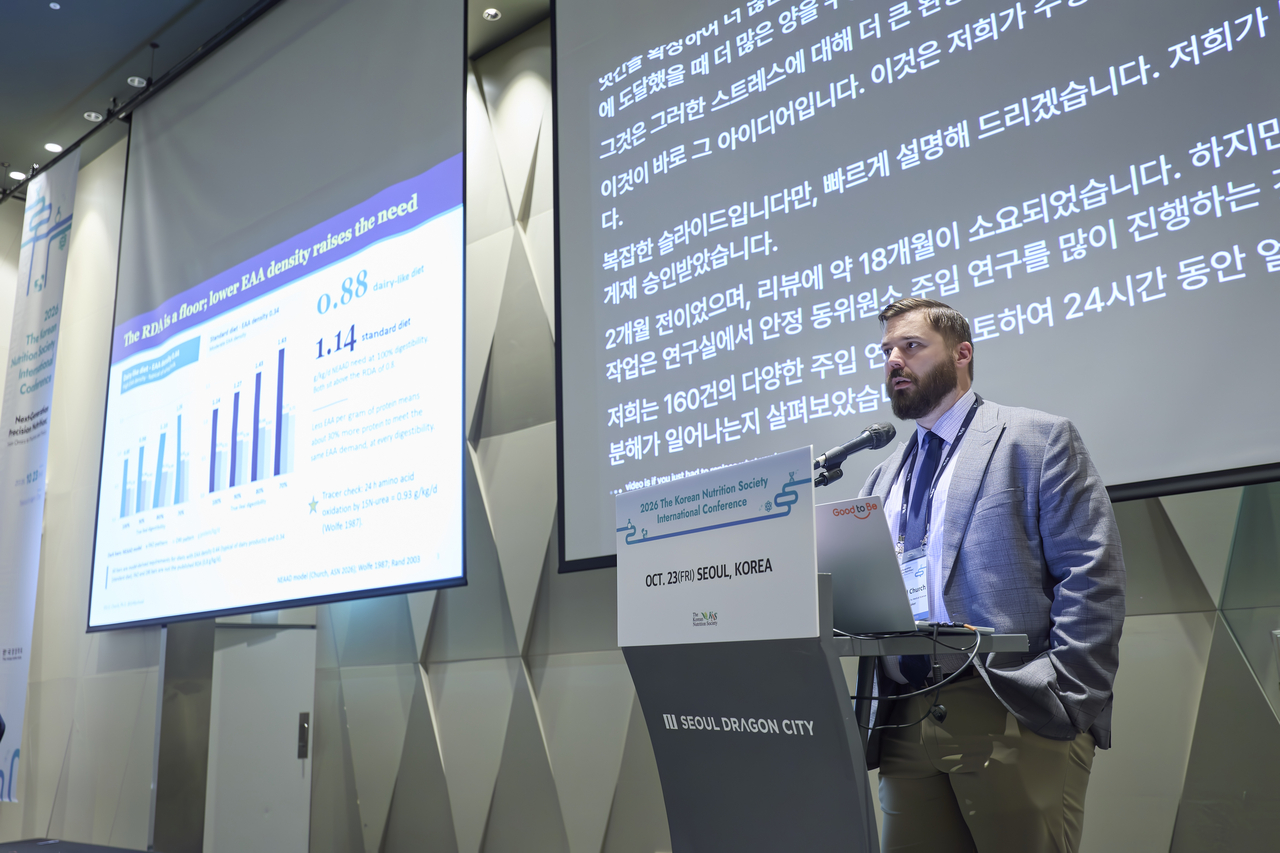
Dr. David D. Church, an integrative physiologist and protein and muscle specialist at the University of Arkansas for Medical Sciences, recently visited South Korea to share insights on effective protein intake. Church received the National Strength and Conditioning Association's Nutrition Research Award in 2023 and the American Society for Nutrition's International Amino Acid Research Award in 2024.
Q: Why is muscle health important for both younger people and older adults?
A: Muscle is one of the largest metabolic organs in the body. When you eat, about 80 percent of the sugar in your bloodstream moves into your muscles, which means muscle plays a key role in preventing diabetes. When you are sick, muscles also supply the amino acids needed for recovery — the more muscle you have, the better you recover. But muscle mass and strength decline with age, and physical inactivity, dieting and illness can all accelerate that loss.
Q: How much protein should a person eat each day?
A: Recent nutrition research suggests an optimal intake of 1.2 to 1.6 grams of protein per kilogram of body weight for active adults and middle-aged to older adults. For those who are dieting or doing high-intensity exercise, the recommendation goes up to 1.6 to 2 grams per kilogram. For a person weighing 60 kilograms, that works out to 96 to 120 grams a day. However, people with chronic kidney disease should adjust their intake accordingly.
Q: How does protein quality differ across foods?
A: Eating 1 gram of protein does not automatically translate into 1 gram of muscle protein. Foods differ in their essential amino acid content, composition and digestibility. Proteins rated as "high quality" are well digested and can be used efficiently for protein synthesis.
All nine essential amino acids need to be present, and among them, leucine plays a particularly important role — it sends the signal that triggers muscle protein synthesis in the body. If essential amino acids are the bricks needed to build a structure, leucine is the director who gives the order to break ground.
To achieve the same muscle-building effect from a lower-quality protein as from a high-quality one, you may need nearly twice the calories. Research from our laboratory found that the amino acids available from 140 to 180 calories' worth of dairy products — such as milk protein or nonfat Greek yogurt — required roughly 500 calories from other protein sources to match.
Q: What is DIAAS, the scoring system used to evaluate high-quality protein? And which proteins score highest?
A: DIAAS, or Digestible Indispensable Amino Acid Score, is an assessment method proposed by the UN Food and Agriculture Organization in 2013. It measures how well each of the nine essential amino acids is absorbed.
Dairy proteins score at the highest level in DIAAS assessments. One widely cited study found that dairy protein ingredients scored above 100, while isolated soy protein came in around 90 and pea protein around 70. Plant proteins can still contribute to a nutritious diet — pairing lower-scoring plant proteins with dairy proteins can raise the overall protein quality of a meal.
The key is combining different protein sources in your diet: eating rice or beans alongside milk or yogurt, for example.
Q: How should older adults approach protein intake?
A: As we age, muscles become less responsive to protein. Younger people can achieve a maximum muscle-building response with about 20 grams of protein per meal, while older adults need around 30 grams. That said, older adults who stay physically active can improve their muscles' responsiveness to protein. Exercising before eating protein can bring an older adult's muscle response close to that of a younger person.
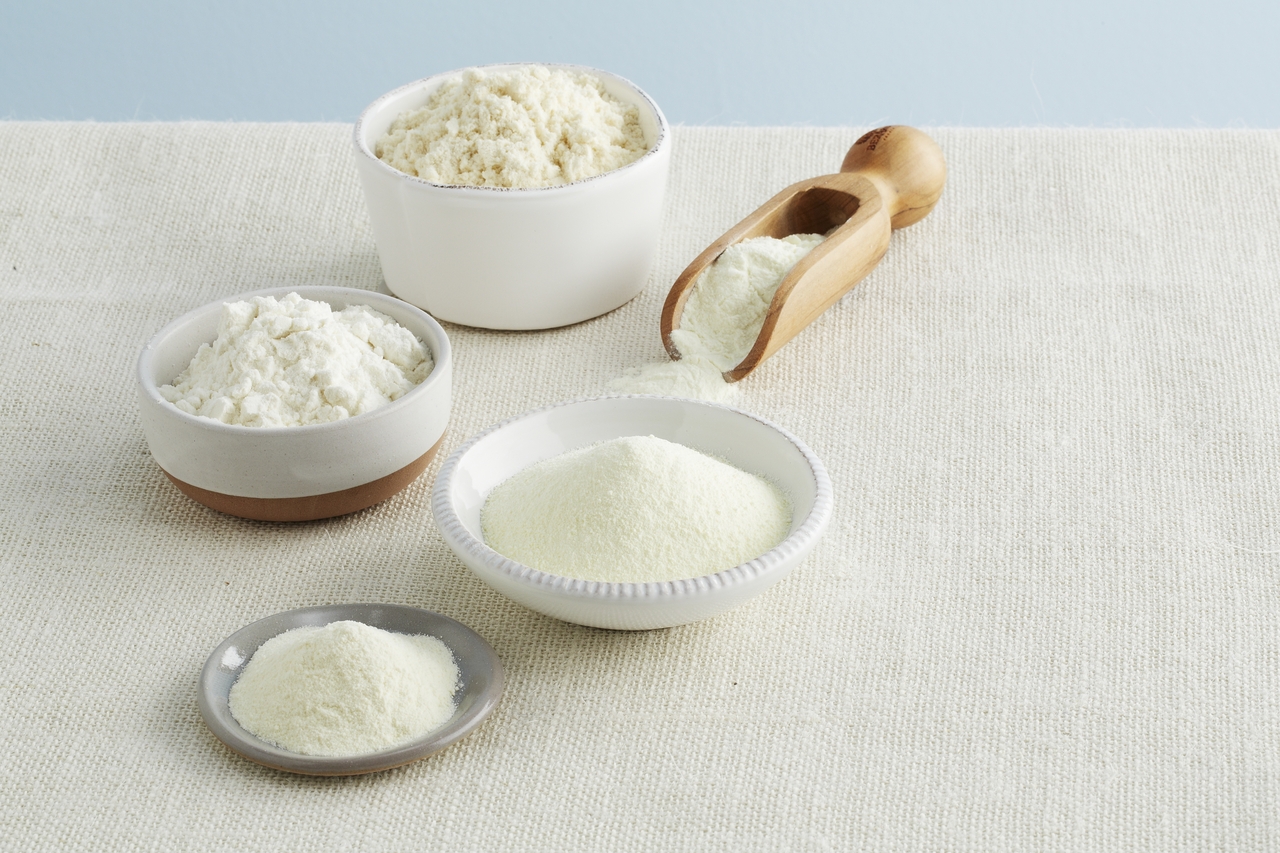
I recommend four approaches for older adults. First, aim for 25 to 35 grams of protein at every meal. Second, choose soft, high-quality protein foods — dairy products such as milk, yogurt and cheese, as well as eggs and fish, are good examples. Greek yogurt and other dairy products are highly digestible and also provide calcium. Third, supplement some of your protein intake in liquid form — milk, yogurt-based drinks or whey protein isolate (a concentrated protein extracted from milk) are all good options. Fourth, combine protein intake with physical activity, which amplifies the muscle-building response.
Q: What should people who are eating less than usual — such as those using GLP-1 medications — watch out for?
A: When calorie intake is restricted, protein quality becomes even more important. The goal is to choose foods that deliver sufficient essential amino acids with fewer calories — Greek yogurt, milk, cheese, eggs, fish and lean meat are all good choices. If your appetite is reduced, make sure to eat your protein foods first at each meal.
Research shows that when calorie intake is severely restricted and combined with resistance training, consuming up to about 2.4 grams of protein per kilogram of body weight helped preserve more lean mass while supporting body fat reduction.
Q: Can you recommend some practical protein recipes for everyday use?
A: Start by boosting the protein content of breakfast. Topping Greek yogurt with fruit and nuts, or blending a smoothie with milk, banana and other dairy ingredients, can get you 20 to 30 grams of protein.
Personally, I enjoy overnight oats. Combine oats in a bowl with milk or whey protein powder, Greek yogurt and chia seeds, then refrigerate overnight. In the morning, you have a delicious meal with more than 35 grams of high-quality protein.
You can also stir whey protein powder into an iced latte for an extra 10 to 20 grams of protein. Protein powder can be baked into dough as well, or you can blend cottage cheese into the batter.
Timing matters too. Rather than loading up on protein at dinner, spread your intake across meals — aim for 25 to 30 grams at each sitting. Pairing that with consistent resistance training will maximize the muscle-building effect.

gorgeous@heraldcorp.com




