
Base seats allocated by number of complexes in each zone
Remaining seats split equally by land area and household count
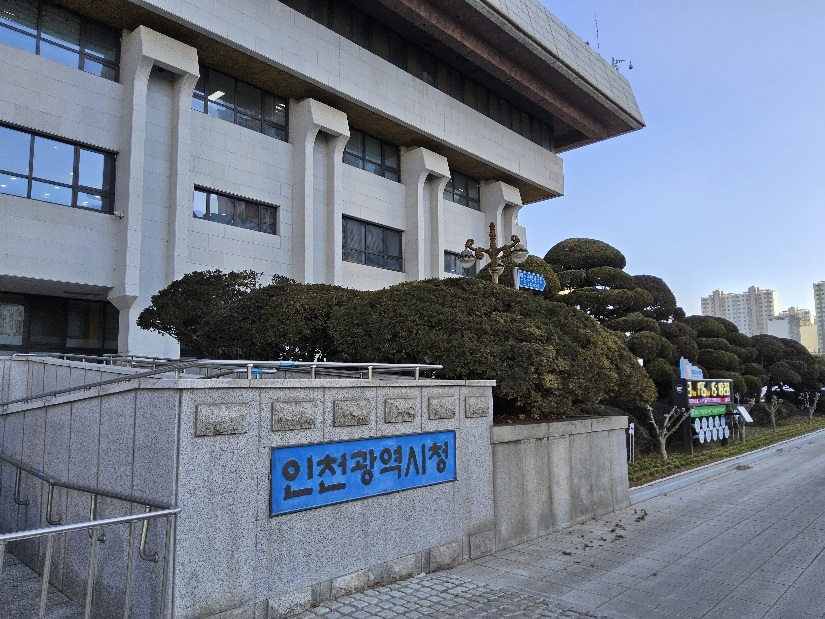
Incheon Metropolitan City has established detailed criteria for forming resident representative panels to ensure the swift and fair advancement of redevelopment projects in aging planned cities.
The framework is designed to incorporate the voices of small housing complex owners and commercial property owners into redevelopment plans from the outset, heading off disputes among residents before they arise.
The city finalized and publicly announced the "Criteria for Forming Resident Representative Panels in Special Redevelopment Preparation Zones for Aging Planned Cities" on Monday.
The move follows an August amendment to the Special Act on the Redevelopment and Support of Aging Planned Cities and its related guidelines, which authorized local government heads to set their own panel size standards based on regional conditions and project characteristics.
To gather on-the-ground input, the city held two resident forums in September and October and conducted a written public comment process.
Under the finalized criteria, each resident representative panel will consist of between five and 25 members, including a chairperson and an auditor. Approval of a panel requires the consent of a majority of landowners and property holders within the zone.
Base seats for each housing complex are allocated on a sliding scale depending on the number of complexes in the zone: zones with two complexes receive three seats per complex, zones with three to four complexes receive two seats per complex, and zones with five or more complexes receive one seat per complex.
The arrangement serves as a safeguard to ensure that even smaller complexes can have their views heard and are not sidelined during the redevelopment process.
After base seats are assigned, any remaining seats are distributed by combining each complex's share of the zone's total land area (weighted at 50 percent) and its share of total household count (weighted at 50 percent), with complexes that have higher decimal scores receiving additional seats first.
To protect the interests of commercial property owners, the criteria also recommend that at least two commercial property representatives be included in each panel, calculated on a zone-wide basis.
The resident representative panel formed under these rules will serve as the central body in the early stages of a redevelopment project.
Key responsibilities include the selection and replacement of project operators, preliminary project operators and overall project managers; the drafting of a preliminary special redevelopment plan; preparations for establishing a redevelopment association and designating a project operator; and proposals for the designation of special redevelopment zones.
"The resident representative panel is the core organization that determines the direction of a redevelopment project in its early stages, from selecting the project operator to drawing up plans," said Yu Gwang-jo, director of Incheon's Urban Balance Bureau. "By ensuring fair representation for each complex, we will minimize unnecessary internal conflicts and disputes and provide support so that projects can proceed without disruption."
gilbert@heraldcorp.com




