
Shortage of staff and infrastructure prompts early-settlement TF; agency declines AI hacking case, clashes with prosecution over leniency applications
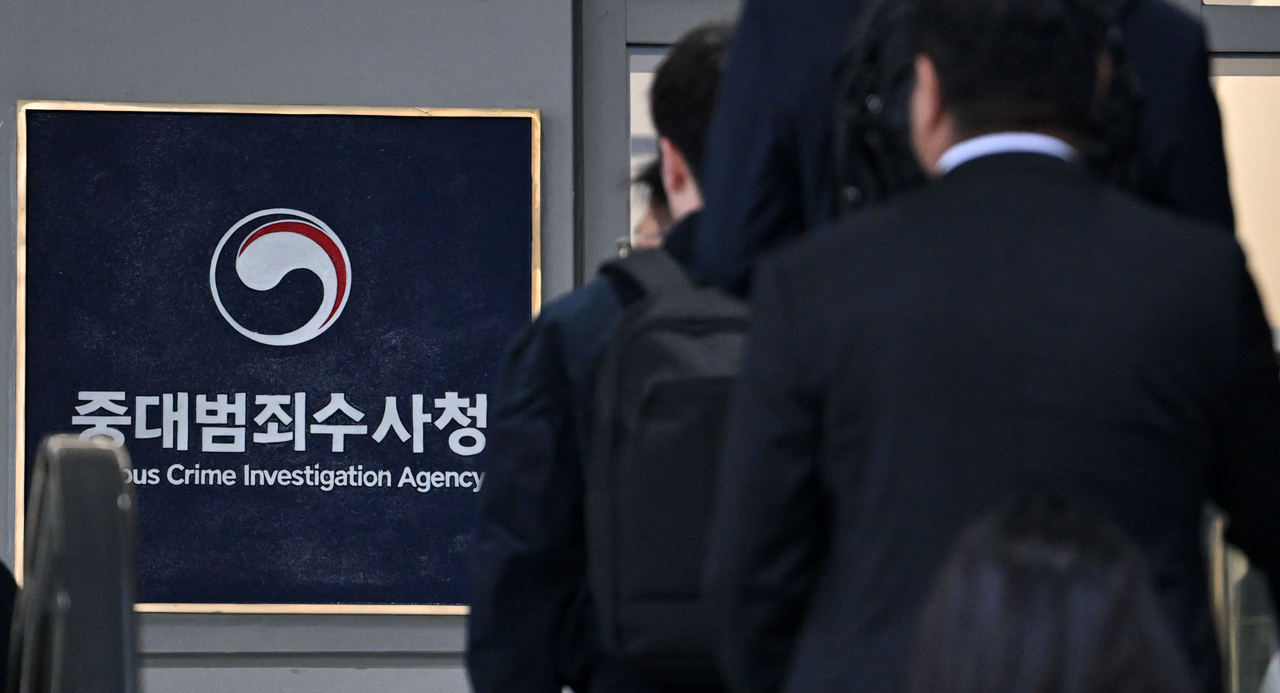
One month after the abolition of the prosecution service on Oct. 2 gave birth to the Serious Crimes Investigation Agency — tasked with investigating six categories of serious crime and the offense of perverting the law — the new body is showing signs of having launched before it was ready. Voices inside and outside the agency say the problems stem from locking in Oct. 2 as a hard launch date regardless of readiness. Beyond those growing pains, critics are also detecting a streak of institutional self-interest, most visibly in what they describe as "case shopping" — eagerly pursuing high-profile cartel cases while dragging its feet on harder-to-crack investigations such as a major hacking incident.
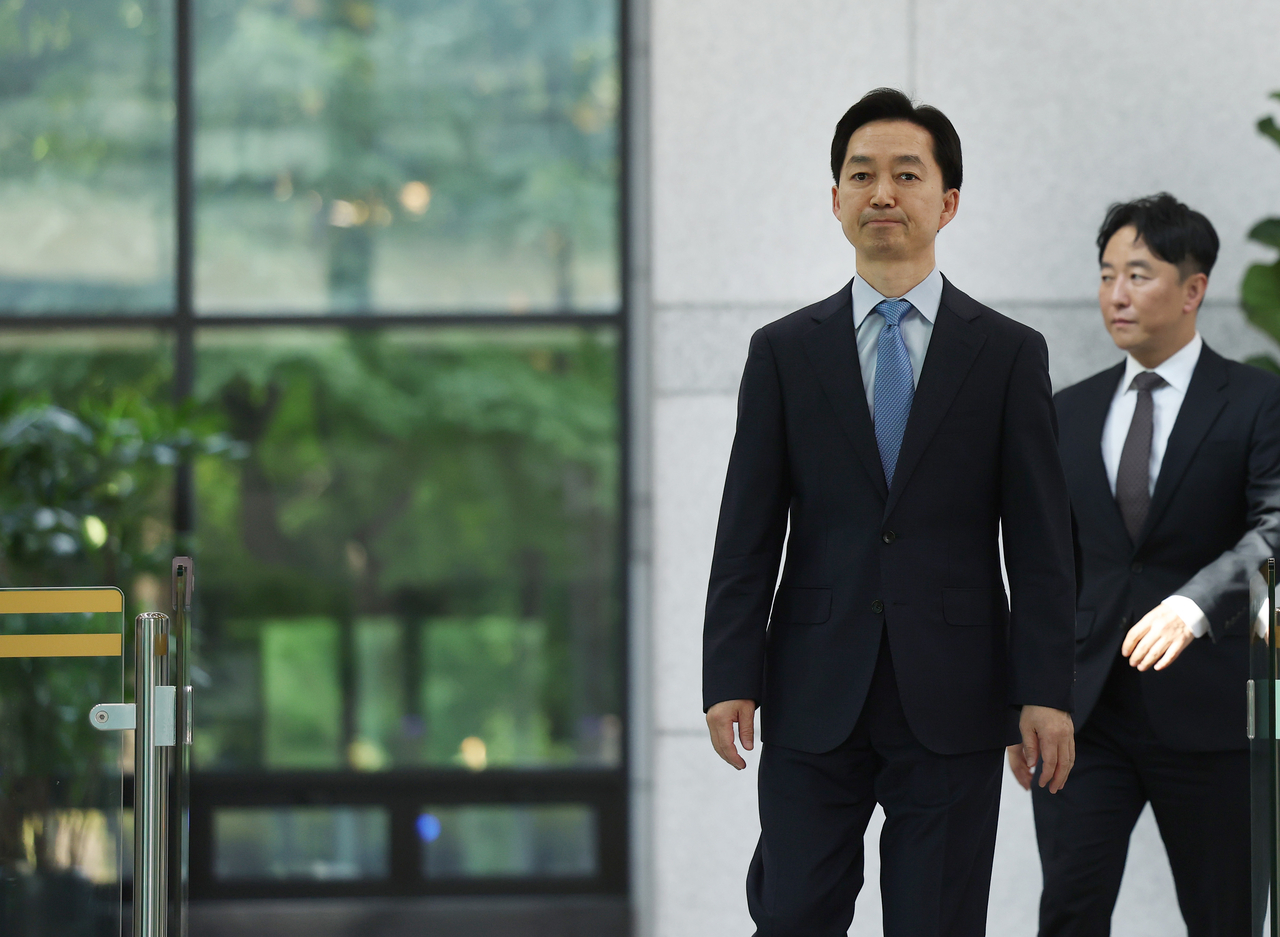
According to legal circles, the agency has been running a dedicated early-settlement task force since Oct. 16, when Director Kim Ji-yong ordered its creation on his first day in the office after his appointment was approved. Regional offices have set up their own task forces and are sharing progress with headquarters on a task-by-task basis.
The task force was formed because the agency's basic infrastructure was simply not in place at launch. When it opened on Oct. 2, only about 66 percent of authorized positions had been filled. Officials acknowledge that the staffing shortfall is not yet acutely felt because no major investigations are fully under way, but warn that if cases pile up quickly — as the agency intends, to prove its worth — frontline staff will feel the strain.
The shortage is sharpest in the middle ranks. Grade-4 and Grade-5 positions, which form the operational backbone, are filled at only 22.6 percent and 31.8 percent, respectively. At the Seoul branch, which will handle the most significant cases, 11 of 25 section-chief posts are vacant. The agency says it will fill the gaps through external specialist hires, but observers note that even if outside experts come on board, questions about their investigative credentials and their integration with existing staff remain unresolved.
The physical infrastructure is equally thin. The Criminal Justice Information System, known as KICS, currently supports only the bare minimum — receiving, registering and assigning transferred cases — with full case-processing functions not expected to come online until next month. Building a dedicated KICS system from scratch is projected to take three years, making it one of the most glaring examples of the agency's premature launch.
Amid all this, attention is focused on what will become the agency's first self-initiated case involving compulsory investigative measures. The Seoul branch transferred to police last month a complaint filed against Gyeonggi Province Governor Choo Mi-ae over remarks she made about fire department funding. At the same time, the anti-corruption investigation division has taken on and is reviewing a separate case — also being investigated by police — involving allegations that independent lawmaker Han Dong-hoon fabricated academic credentials for a child.
It is against this backdrop that the case-shopping controversy erupted. The Korean National Police Agency's National Investigation Headquarters notified the Serious Crimes Investigation Agency on Oct. 21 that it had additionally identified a violation of the Electronic Financial Transactions Act — a serious crime falling within the agency's jurisdiction — in connection with a financial-sector hacking incident believed to have been carried out using AI. The agency, however, said it had reviewed the progress of the investigation and notified police that it would not open a case.
Violations of the Electronic Financial Transactions Act are explicitly listed among the serious crimes the agency is mandated to investigate under Article 2 of its founding law. The agency cited the advanced state of the existing police investigation and ongoing international cooperation with overseas counterparts as reasons for stepping back, but the episode drew accusations of passing the buck and sparked a "ping-pong" controversy. Some observers suggested the agency simply lacked the capacity to take the case on.
Institutional self-interest has also surfaced more openly in a dispute with the prosecution service over who should receive leniency applications — known in Korean legal practice as the self-reporting reduction regime — in cartel cases. The unit that was formerly the fair-trade investigation division of the Seoul Central District Prosecutors Office, now the serious crimes prosecution division of the Seoul Central District Prosecution Service, had built a strong track record investigating price-fixing in sugar, flour, oil and petrochemical products right up until the prosecution service was abolished on Oct. 2. President Lee Jae Myung offered rare public praise for the work.
With prosecutors stripped of investigative powers, however, a dispute broke out over which body should receive leniency applications. The prosecution service revised its internal regulations on Oct. 16, amending relevant rules on the premise that it — as the body holding indictment and sentencing authority — should be the receiving party, while providing for a new cooperation clause. The agency pushed back on Monday, issuing a statement arguing that "it is appropriate for the investigating agency to handle" leniency applications.
Against that backdrop, Director Kim and acting Prosecutor General Lee met for the first time on Friday. The agency said in a statement that the two sides "agreed on the importance of mutual cooperation for the stable operation of the overall criminal justice system" and "exchanged wide-ranging views on ways to cooperate," adding that they had agreed to maintain a close working relationship grounded in mutual respect and trust — a formulation that offered little beyond broad principle.
bell@heraldcorp.com




