
'Rated world-class — but what matters most is whether citizens feel the difference'
Births and marriages on the rise; city shifts focus from childbirth to full-cycle parenting
Care services expanded from infants to upper-elementary students; public safety reinforced
'We will keep refining policy to reflect voices from the field'
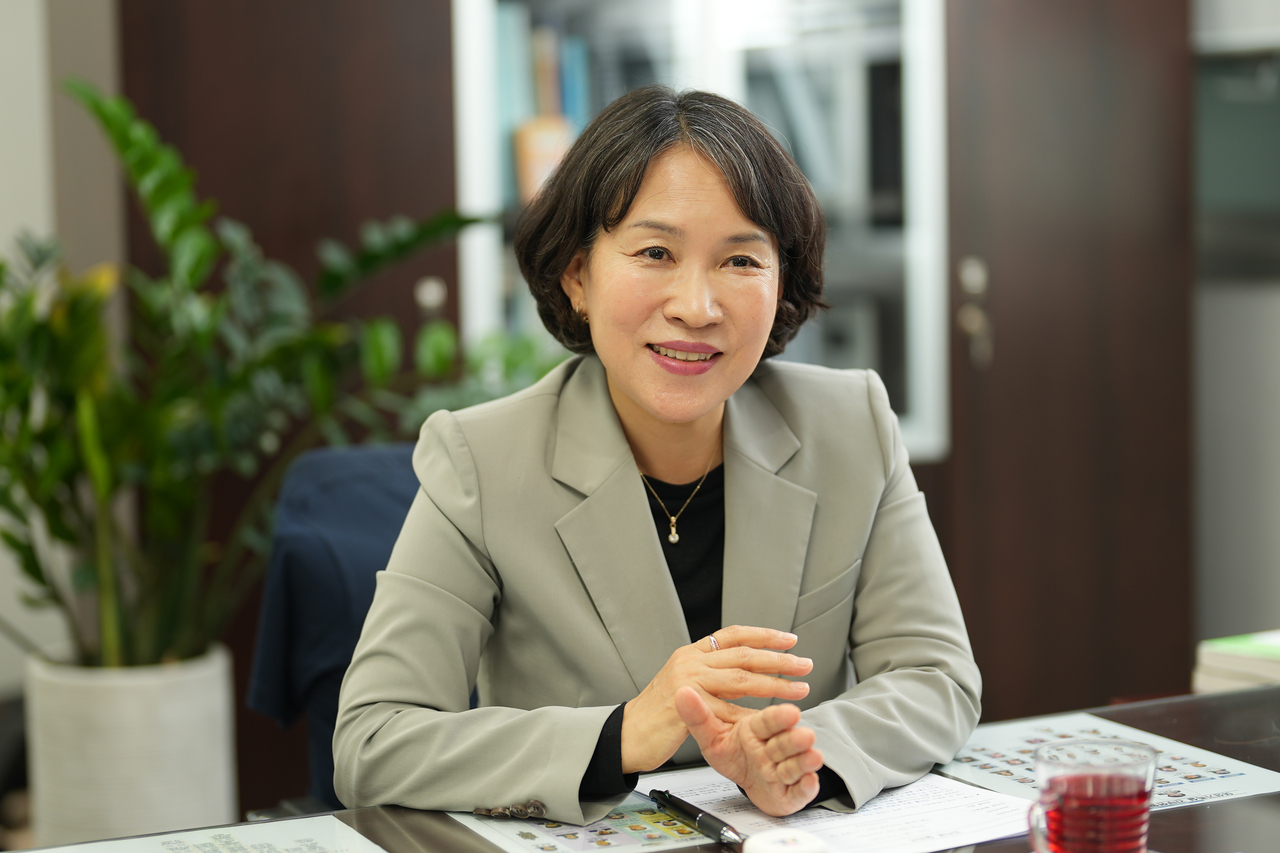
"Childbirth is only the beginning. The greater challenge parents face lies in the process of raising a child. We must now move beyond one-time support around birth and broaden the scope of policy so that the burden of child-rearing is genuinely eased and shared parenting becomes part of everyday life."
Ma Chae-suk, director of women and family affairs at the Seoul Metropolitan Government, said in an interview that the city's low-birth-rate policy is entering a new phase. The focus, Ma said, must shift from pregnancy and childbirth support to encompass care throughout a child's entire upbringing, as well as work-life balance.
Seoul's total fertility rate remains among the lowest in the country, but recent trends show signs of change. According to city data, the rate rose from 0.55 in 2023 to 0.58 in 2024 and 0.63 in 2025 — two consecutive years of increase. In the first seven months of this year, 31,367 births were recorded, up 17.9 percent from the same period a year earlier, while the number of marriages reached 31,769, a 12.4 percent increase.
Ma did not attribute the rebound solely to city policy, saying it reflects a combination of factors — housing, childcare, work-life balance and shifting social attitudes toward marriage and parenting. In a major city like Seoul, where housing costs and child-rearing burdens are particularly heavy, Ma said the question of how to raise a child after birth matters just as much as the decision to have one.
Beyond childbirth: expanding support across the full parenting journey
Ma said Seoul's low-birth-rate policy is shifting its center of gravity from support around childbirth to childcare more broadly. The aim is to reduce the care gaps that dual-income households and single-parent families face in daily life, and to connect families with the support they need based on a child's age and their particular circumstances.
The city is expanding a range of programs, including "Seoul Ai Deundeunhan Kki," a meal support initiative that addresses the lunch gap for elementary school students during school vacations, along with emergency and gap-filling care services and family care support. The goal is to build a structure in which childcare is shared by families and the wider community, rather than left entirely to individual parents.
Ma placed particular emphasis on shared parenting — the idea that fathers' involvement in child-rearing should be treated not as something exceptional but as a natural part of daily life. Through the "Seoul 200 Fathers Group," the city supports fathers in sharing their parenting experiences and concerns with one another.
"A culture must take root in which fathers doing childcare and housework is not something to be embarrassed about, but something to be proud of," Ma said. "That kind of change is happening quickly, especially among younger generations, and I believe shared parenting becoming the norm is one of the most important keys to addressing the low birth rate."
Care spaces are also being tailored to children's stages of development. Where existing kids' cafes have largely catered to children aged 3 to 9, the city plans to specialize facilities and programs to serve children from infancy through the upper years of elementary school.
In particular, the city is working to create dedicated spaces for infants so that parents in the immediate postpartum period are not isolated at home, but can naturally connect with other parents raising children of similar ages. The plan is to offer age-appropriate programs — such as tactile play suited to each month of development — for infants, while providing parents with a neighborhood space to exchange parenting information.
Spaces for older elementary school students will be designed with greater physical activity in mind. The city is continuing efforts to convert underused venues into spaces where children can move freely and release energy — similar to the climbing-focused space created at Seoul Family Plaza.
Extended-hours and round-the-clock childcare centers, weekend and part-time care, and emergency gap-filling services will run in parallel. For elementary school students, the focus is on filling care gaps before school, after school and in the evening through centers such as Kium Centers.
Safety policy broadens from women to all citizens
Safety is the other pillar of the city's women and family policy. Programs that began by targeting vulnerable groups — women living alone and stalking victims — are being extended to any citizen who needs them, regardless of gender or age.
The city operates the "Donghang Ansim Bell," a mobile-linked device that allows users in an emergency to call for help from district CCTV control centers and other services. For elementary school students who do not yet have mobile phones, the city is distributing the "Elementary Ansim Bell," which can alert nearby people to a dangerous situation.
Ma said that while the safety bell program started with women living alone, real-world cases have shown it is also needed by male university students, teenagers and others, prompting the city to broaden eligibility. Safety vulnerability, Ma said, is not a problem that divides neatly along gender lines.
Safety equipment support for small-business owners is being expanded along the same lines. Rather than limiting eligibility to whether the business owner is a woman, the city plans to widen support based on actual working conditions and the degree of risk involved.
In tackling digital sex crimes, the city is focused on stopping the spread of harm through AI-assisted detection and removal of illegally filmed content. The "Seoul Career Up Project," which supports women who have taken career breaks in returning to work, is another component of the city's effort to help people sustain both their professional and family lives.
Seoul's care and safety policies have drawn positive external assessments. Ma recounted that an expert who recently participated in a G3 committee described the city's women and family policy as being not just among the global top three, but at the top globally.
Still, Ma said what matters more is whether citizens actually feel the difference. The city must carefully examine feedback and complaints from the field, fill any gaps in existing policy and address blind spots that have gone unnoticed with new measures.
"Policy must reach the places where it is needed, so that every Seoul citizen — regardless of whether they are married or have children — can shape their own life on their own terms," Ma said. "We will continue to listen to voices from the field and keep refining our policies to deliver change that citizens can feel."
7toy7@heraldcorp.com




