
Court blocks bid to withhold California ballots
Alaska suit seeks to halt certification of results
Critics warn of groundwork for post-election disputes
Justice Dept. says it is cracking down on illegal voting
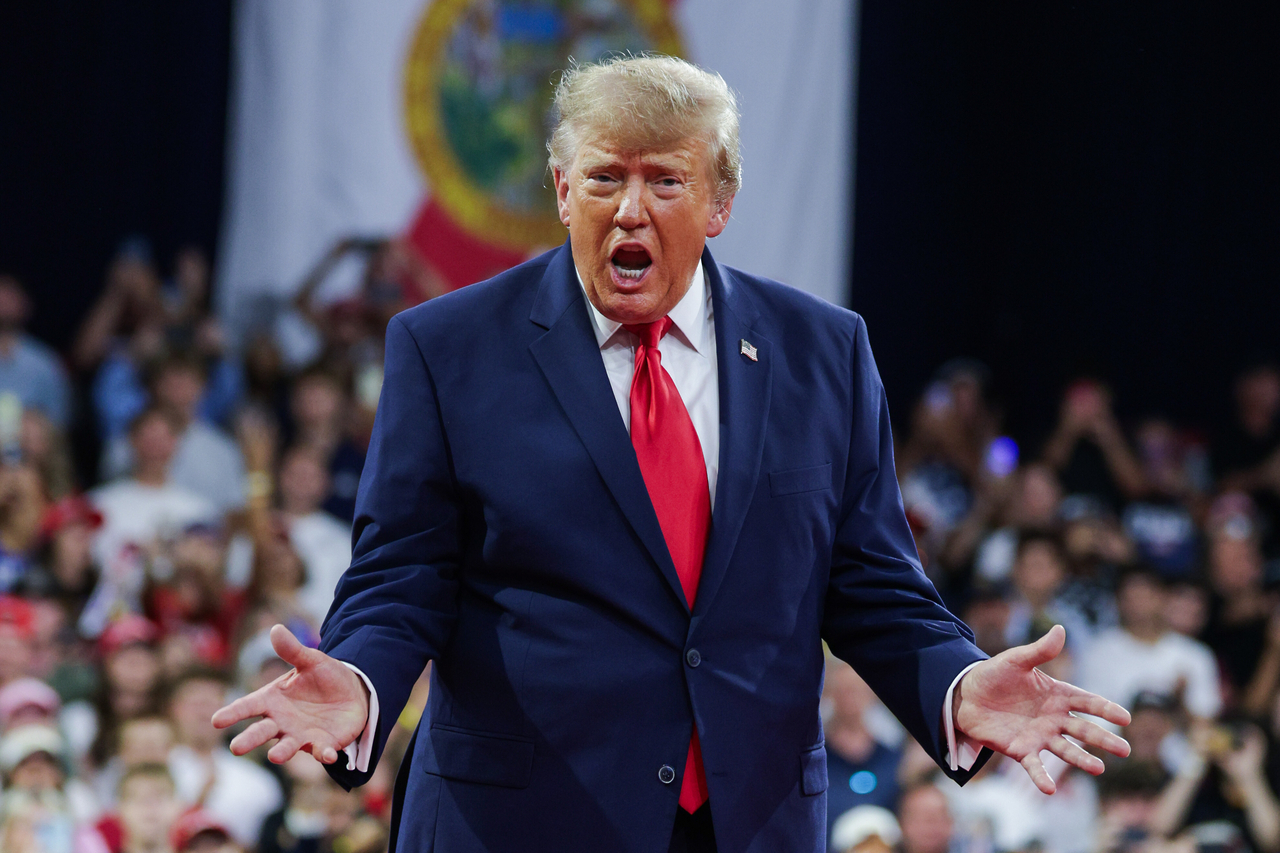
As US midterm elections approach, the Donald Trump administration has launched a wave of lawsuits and investigations targeting ballot counting, vote certification and election results. In California, a Democratic stronghold, the administration sought to block the counting of ballots cast by voters it deemed potentially non-citizens. In Alaska, it filed suit to prevent state officials from certifying Senate election results if the Democratic candidate wins. The Washington Post reported that the moves could extend disputes over election outcomes well beyond Election Day.
California emerged as the first flashpoint. The Justice Department filed a lawsuit seeking to set aside more than 20,000 ballots from voters it identified as potentially lacking US citizenship, arguing that eligibility should be verified before any counting takes place. The department's position is that non-citizens are barred from voting in federal elections and that eligibility must be confirmed beforehand.
Courts pushed back. A federal district court in California rejected the Justice Department's request, finding that segregating certain ballots risked excluding votes cast by legitimate citizens. The Ninth US Circuit Court of Appeals upheld that ruling Friday. A federal district court in San Francisco also barred election officials from removing specific voters from registration rolls or refusing to count their ballots.
The accuracy of the Justice Department's voter list has also come under scrutiny. An analysis by a California Democratic Party-affiliated group found that 8,880 of the 20,930 names on the list could not be matched to any entry in the state's voter rolls, and that 22 confirmed US citizens were included, according to the Associated Press. The Justice Department has disputed those findings.
In Alaska, the dispute centers on a candidate named Dan J. Sullivan, whose name closely resembles that of Republican incumbent Sen. Dan Sullivan. The Justice Department sued to prevent the state from certifying results if Democratic candidate Mary Peltola wins, arguing that the similar names could confuse voters. After The New York Times reported that associates of Peltola's campaign had encouraged Dan J. Sullivan to enter the race, the department issued subpoenas and expanded its investigation. Peltola denied any knowledge of the matter.
Last year, the Justice Department also demanded that states submit voter rolls containing sensitive personal information, including partial Social Security numbers. It filed lawsuits against states that refused to comply, but CBS reported that the department has lost all 27 cases decided so far. On Thursday, the department sent letters to state election administrators directing them to preserve voter rolls and related records.
The Trump administration has maintained that the measures are intended to protect the integrity of elections. Acting Deputy Attorney General Trent McCotter said cracking down on and investigating illegal voting is not a threat to democracy but a means of ensuring that legitimate votes are properly counted. Courts, however, said in the California case that the federal government's demands risk infringing on the voting rights of eligible citizens.
Those rulings have deepened concerns that disputes over counting and certification could persist long after midterm results are in. A central question has emerged: in a country where election administration authority rests with the states, how far can the federal government go in seeking to withhold certain ballots or block the certification of results?
attom@heraldcorp.com




