
Where to experience Australia's wild ecosystems
Tourism Australia highlights 6 wildlife habitats
From kangaroos and platypuses to penguins and whales

Australia is home to far more than kangaroos and koalas — the continent harbors rare wildlife found nowhere else on Earth. Roughly 77 times the size of South Korea, Australia spans tropical rainforests, islands, coastlines and open seas, each environment supporting its own distinct animal communities. Tourism Australia has highlighted six destinations where travelers can encounter the country's wildlife firsthand, from kangaroos and platypuses to little penguins and humpback whales.
Kangaroo Island's endemic kangaroos
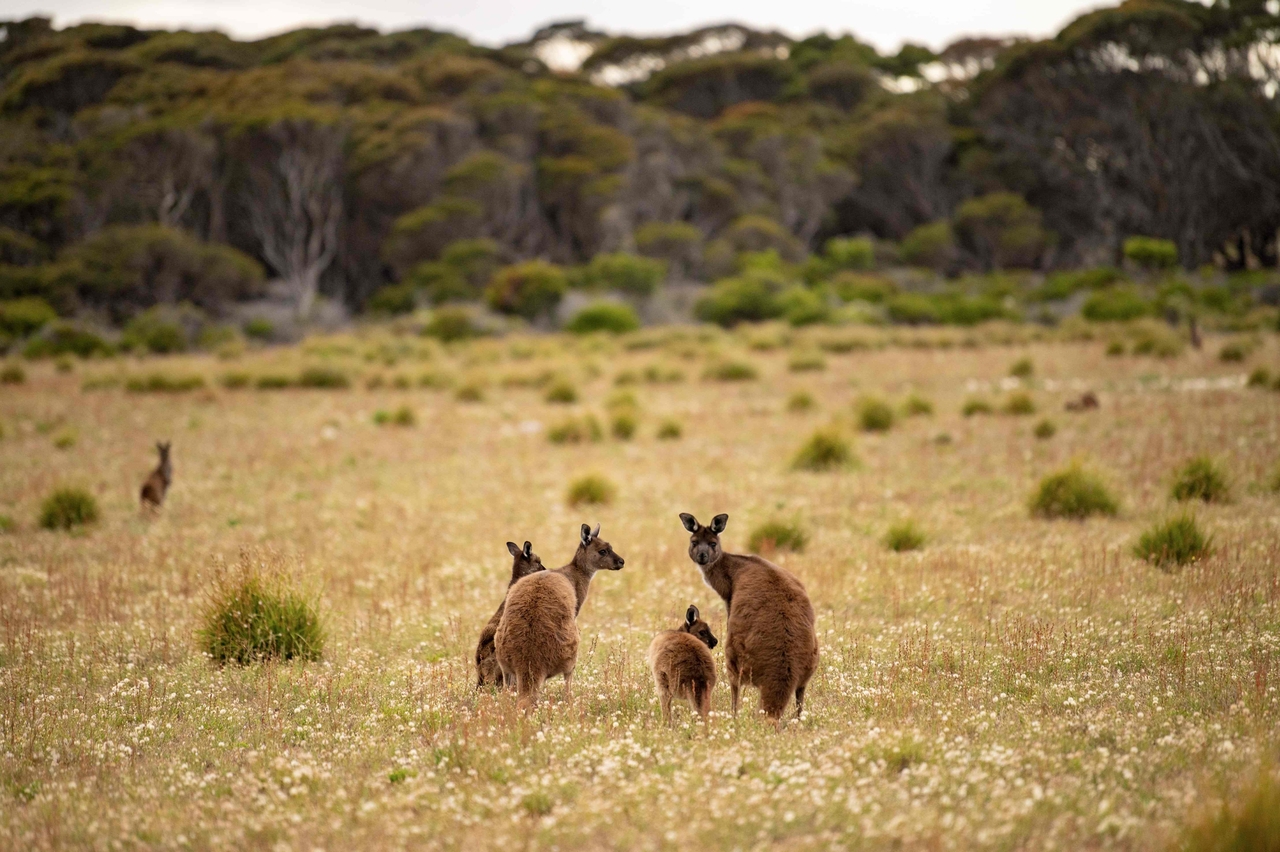
Kangaroos are found across Australia, but Kangaroo Island in South Australia is the only place to see a subspecies unique to the island. The Kangaroo Island kangaroo, a subspecies of the western grey kangaroo, is stockier than its mainland relatives and sports darker brown fur. Wallabies and koalas also share the island's mix of forest, grassland and coastline.
Guided tours are available for visitors who want to observe the island's distinct ecosystem up close. Exceptional Kangaroo Island's "Island Life" tour takes guests through the bush with a guide to study the behavior and habitat of wild kangaroos and wallabies, using animal tracks and ambient sounds as clues. Participants have lunch at a forest camp along the way. The operator offers itineraries ranging from a day trip through Flinders Chase National Park to a Monday–Tuesday overnight program exploring the island's nature and wildlife.
Platypuses in the rainforests near Cairns
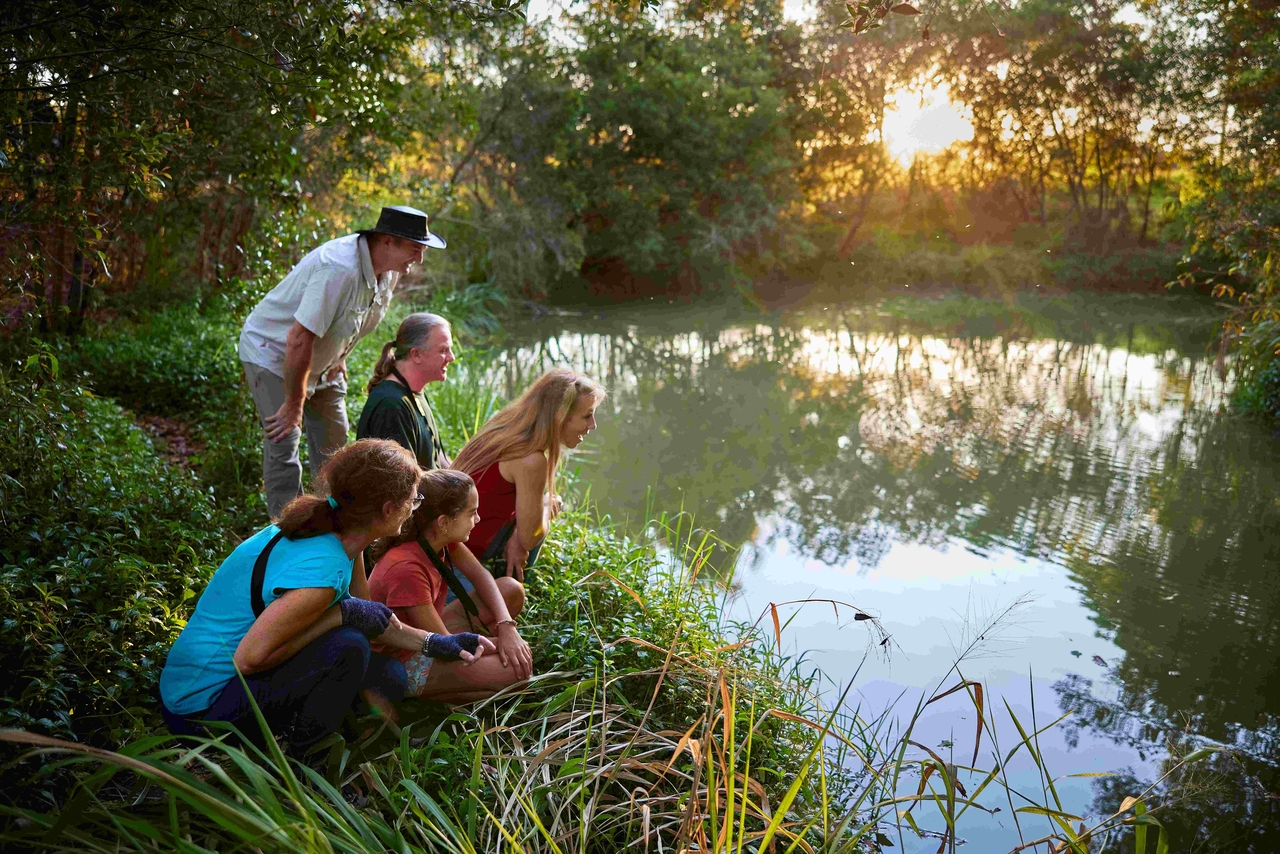
The Atherton Tablelands near Cairns in Queensland is one of the few places where platypuses can be reliably spotted in the wild. The region's ancient tropical rainforest weaves together dense bush and waterways that provide ideal habitat for the elusive animal. Platypuses are most active at dawn and dusk, surfacing briefly along the water's edge.
Specialist tours are timed to match the animals' activity patterns, covering both day and night wildlife. Wait-a-While Tours' rainforest wildlife tour searches for platypuses during the day and nocturnal animals after dark. Guests walk forest trails around Lake Barrine with a guide, waiting for platypuses to appear before heading to a local restaurant for dinner and then searching for nocturnal creatures near the Curtain Fig Tree. Depending on weather conditions, the Southern Cross and the Milky Way may also be visible overhead.
Little penguins at Bicheno's restored habitat
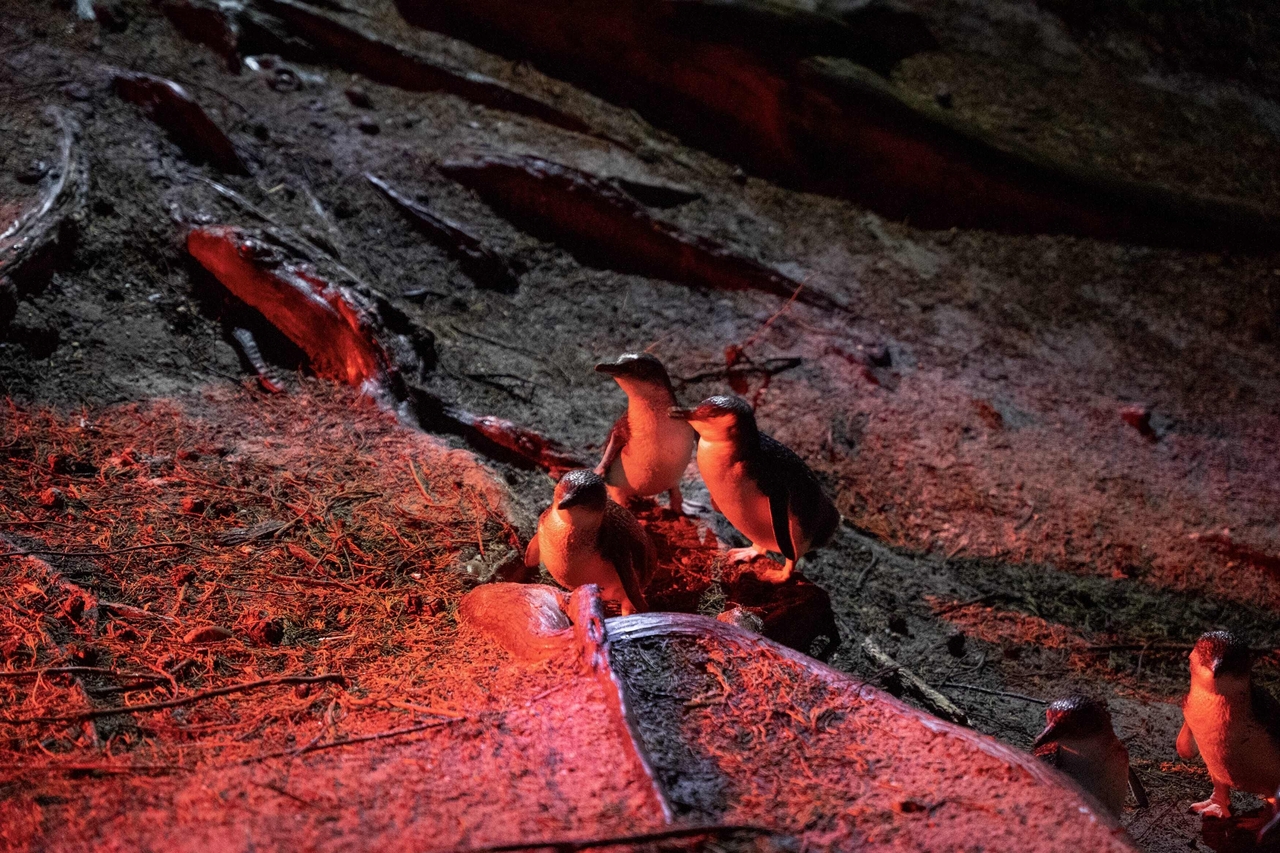
On the east coast of Tasmania, Bicheno is a prime spot to watch little penguins — adults stand about 30 centimeters tall — as they return from the sea. These blue-feathered birds feed in the ocean during the day and come ashore to their burrows at dusk. They can be seen year-round at Bicheno, with activity peaking from spring through summer during the breeding season.
Bicheno Penguin Tours runs a guided wildlife program that follows the birds as they waddle ashore at sunset. Guests walk a roughly 500-meter observation route with a guide, learning about the penguins' habits and habitat along the way. The tour area was farmland converted back into penguin habitat about 30 years ago; low-level lighting has been installed to allow viewing in near-darkness while minimizing disturbance to the birds. The approximately one-hour tour permits photography without flash.
Humpback whales migrating through Dunsborough waters
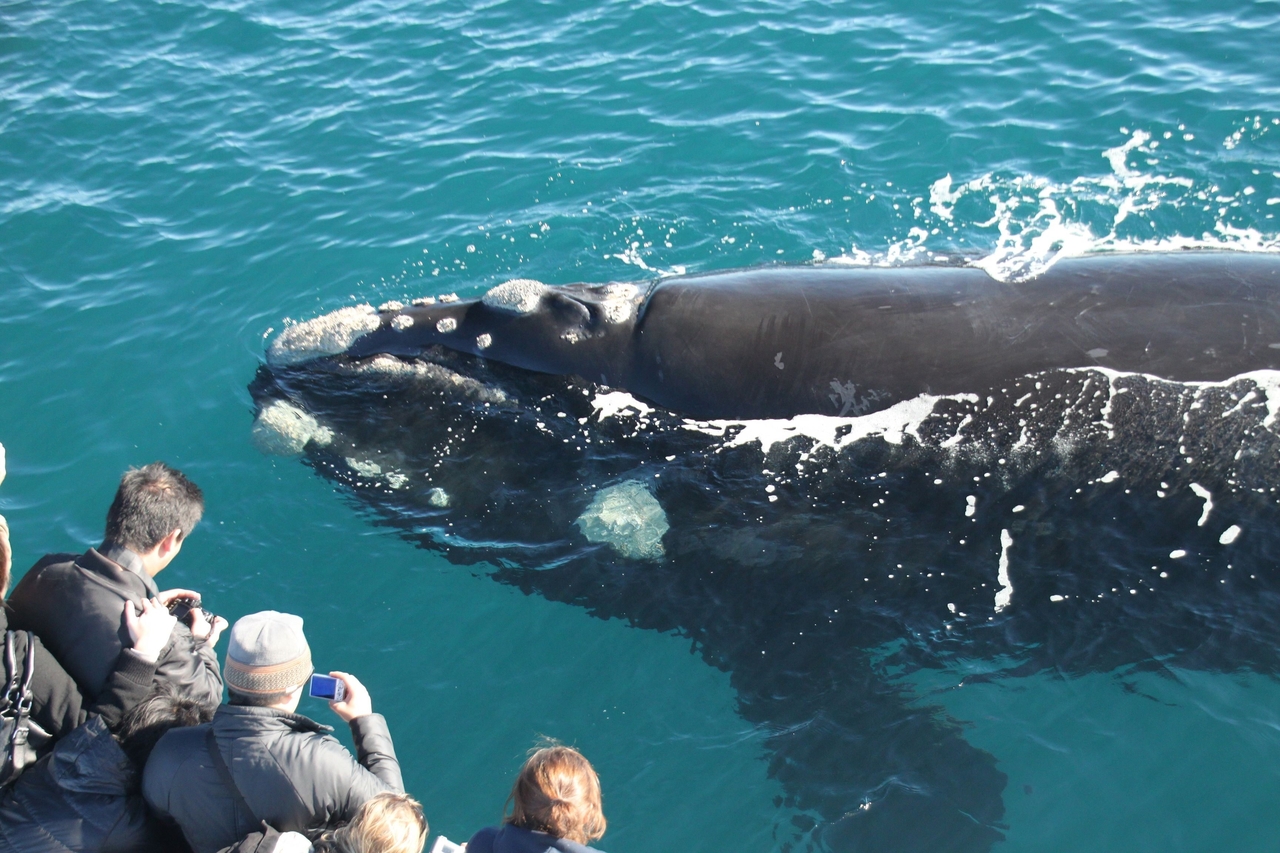
Geographe Bay near Dunsborough in Western Australia is a key corridor for humpback whales migrating south each year from August through November. The bay's shallow, calm waters make it a favored resting spot for mothers and calves on the move. Visitors can watch the whales breach — launching their bodies above the surface — or slap the water with their tails.
Marine tours operate during the migration season to take advantage of the whale activity. Naturaliste Charters' whale-watching tour sails through Geographe Bay with a marine biologist on board who explains the whales' migration routes and ecology over roughly two hours. Depending on the season, southern right whales and blue whales may also be spotted.
Cockatoos and emus in East Gippsland
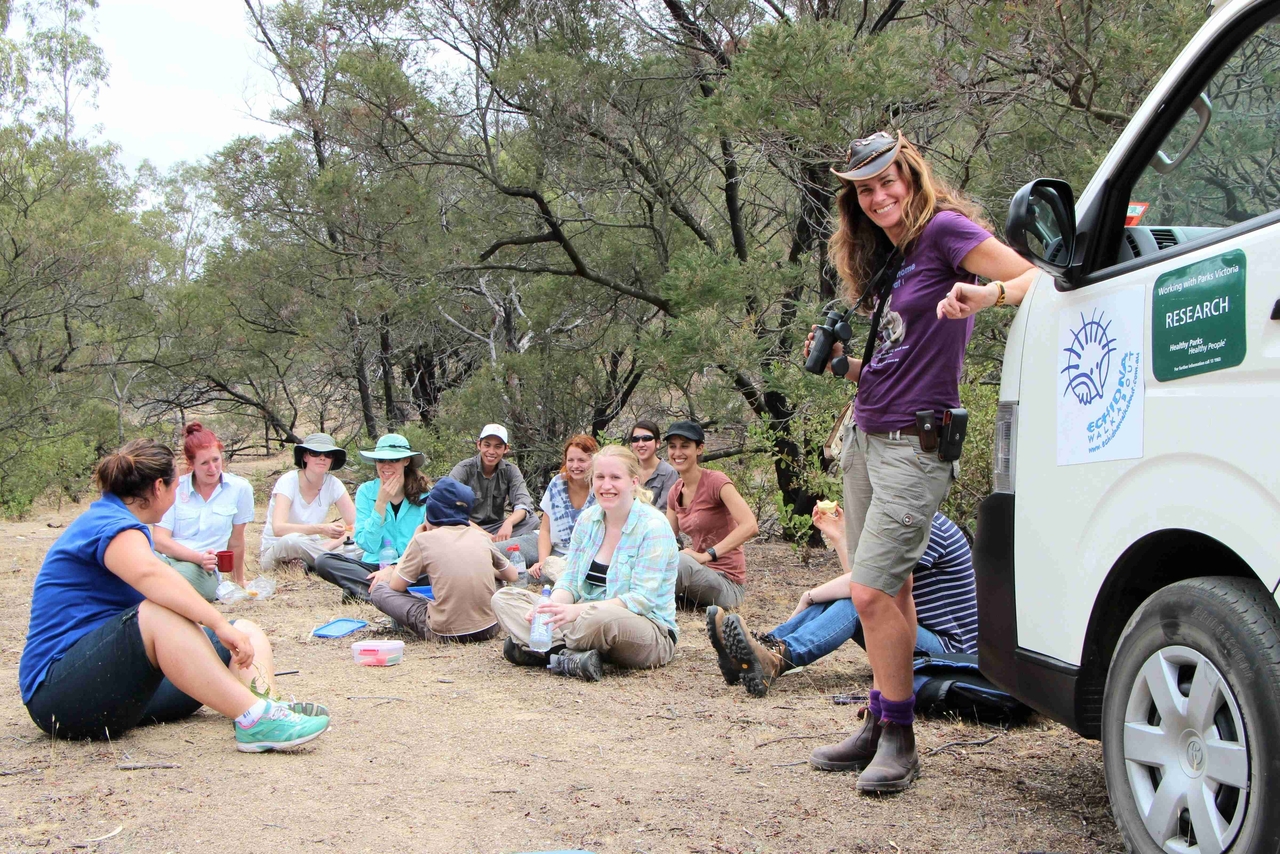
East Gippsland in eastern Victoria — a landscape of forests, rivers, lakes and coastline — is ideal for birdwatching. The region is home to striking cockatoos, including the yellow-tailed black cockatoo, with its dark plumage and yellow tail, and the gang-gang cockatoo, distinguished by its red crest. Emus, one of Australia's largest birds and a national emblem alongside the kangaroo, can also be seen striding across open ground.
Beyond birdwatching, the area offers a chance to take part in conservation work directly. Echidna Walkabout Nature Tours' "Wildlife Journey" is a four-day program combining wildlife observation with environmental protection activities. Guests join a guide to survey bird habitats and take part in coastal clean-ups, removing invasive plants and discarded fishing nets. The program runs from September through May each year in small groups of up to eight people, or as a private tour.
Koalas in Port Lincoln's eucalyptus forests
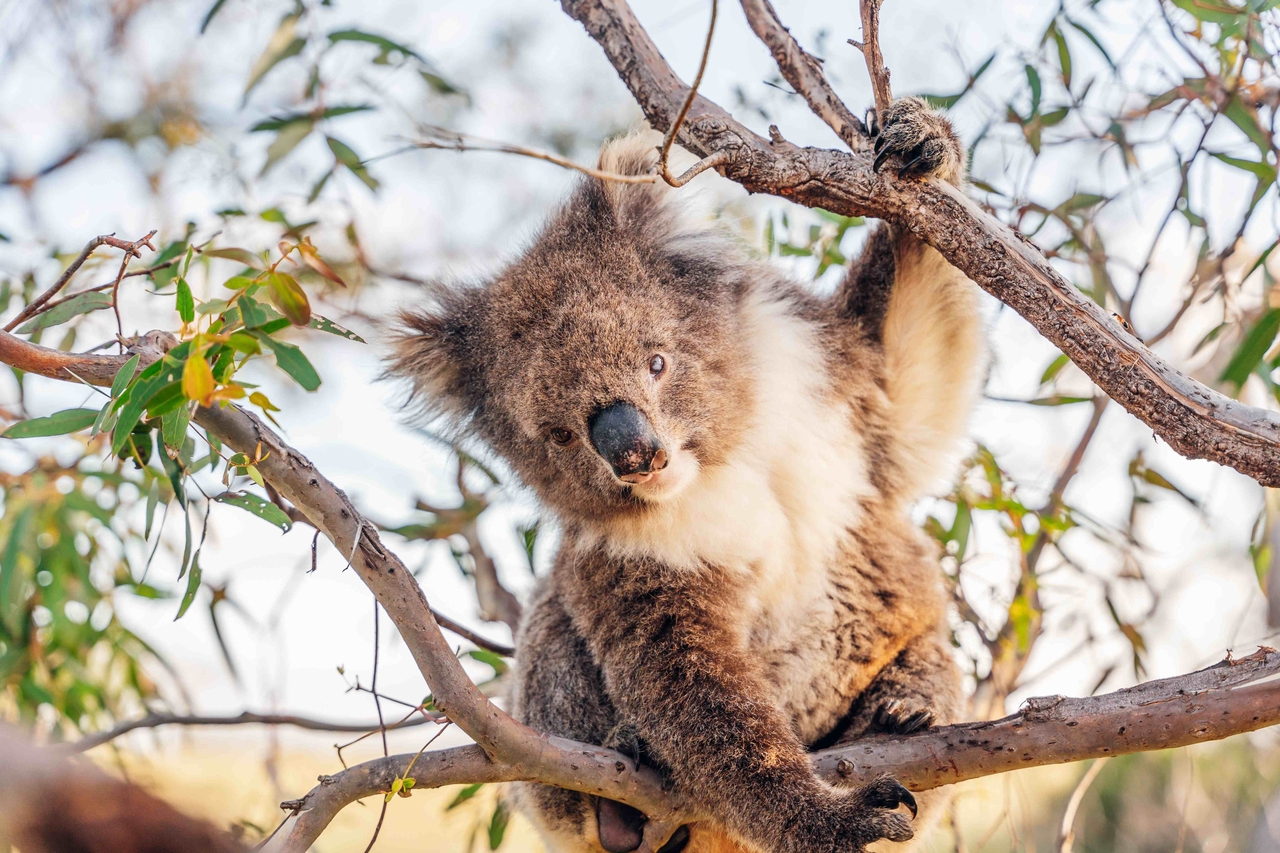
Port Lincoln, on the southern tip of the Eyre Peninsula in South Australia, is known for its seafood as much as for its wild koalas, set against a backdrop of coastal cliffs and sand dunes. Koalas spend most of their lives in eucalyptus trees, sleeping or resting for around 18 to 22 hours a day. Spotting one draped lazily across a branch is one of the quiet pleasures of visiting the area.
Local tours pair the region's fresh seafood and coastal activities with wild koala encounters. Australian Coastal Safaris' "Exceptional Port Lincoln, Seafood and Wildlife" is a full-day tour linking the area's natural environment, produce and animals. The itinerary takes guests through the seafood supply chain, into Lincoln National Park and across four-wheel-drive sand dunes before finishing with a visit to a eucalyptus forest to observe wild koalas at rest.
terry@heraldcorp.com




