

AI-generated female comedians are stealing jokes from real comics — word for word, without changing a single letter. Their preferred targets are young women in the industry. The trend has sparked concern that AI could alter not just what audiences laugh at, but how they respond to comedy.
According to The New York Times on Thursday (local time), accounts featuring AI female comedians performing in front of brick walls have been appearing one after another on social media. Dressed in cropped tops and form-fitting bodysuits, the virtual performers deliver suggestive jokes and have amassed hundreds of thousands of followers — yet the material they use is lifted directly from real comedians.
Jokes that comedian Olivia Carter had carefully crafted were replicated by an AI comedian without a single word changed, though the delivery fell short of the original. The same happened to a bit by Olga Namer about dating a considerate man. An AI comedian rendered with a realistic appearance mimicked Namer's lines and timing exactly, but conveyed the story with a flat, emotionless delivery — and the ending was slightly darker than the original.
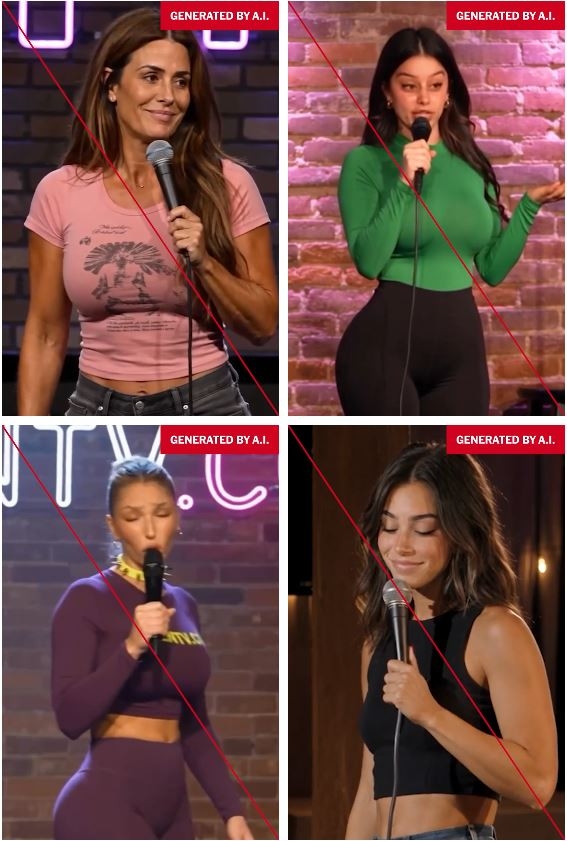
The victims share a common profile. The AI comedian accounts have targeted, almost without exception, young and relatively unknown female comedians whose material centers on dating and sex. No comparable content imitating well-known male comics such as Jim Gaffigan or Dave Chappelle has emerged. Natalie Cuomo, a New York comedian known for crowd-work videos, told Deadline that between seven and 10 of her jokes had been stolen.
Some observers have noted the parallel to the film "Ex Machina," in which a billionaire tech entrepreneur designs an alluring female android engineered to captivate the male gaze. Mark Zuckerberg's social media empire itself began as a service for male students to rate the appearance of female peers. Analysts say the AI female comedians gaining traction on Instagram are exploiting a similar set of desires.
Audience reaction has also drawn attention. There had been hope that the "uncanny valley" effect — the growing discomfort people feel as robots become too human-like — would protect real comedians, but comments on the fake accounts suggest users either cannot tell the difference between a real comedian and an AI, or simply do not care.
Earlier this month, several comedians whose jokes had been stolen posted warning videos, but platforms were slow to act. Instagram head Adam Mosseri left comments on the affected comedians' accounts, saying he wanted to help drive more users to the original creators.
Mosseri added, however, that banning AI-generated content outright was not realistic in practice. While stealing jokes has long been considered a serious offense capable of destroying a comedian's reputation, there is no way to shame an AI comedian.
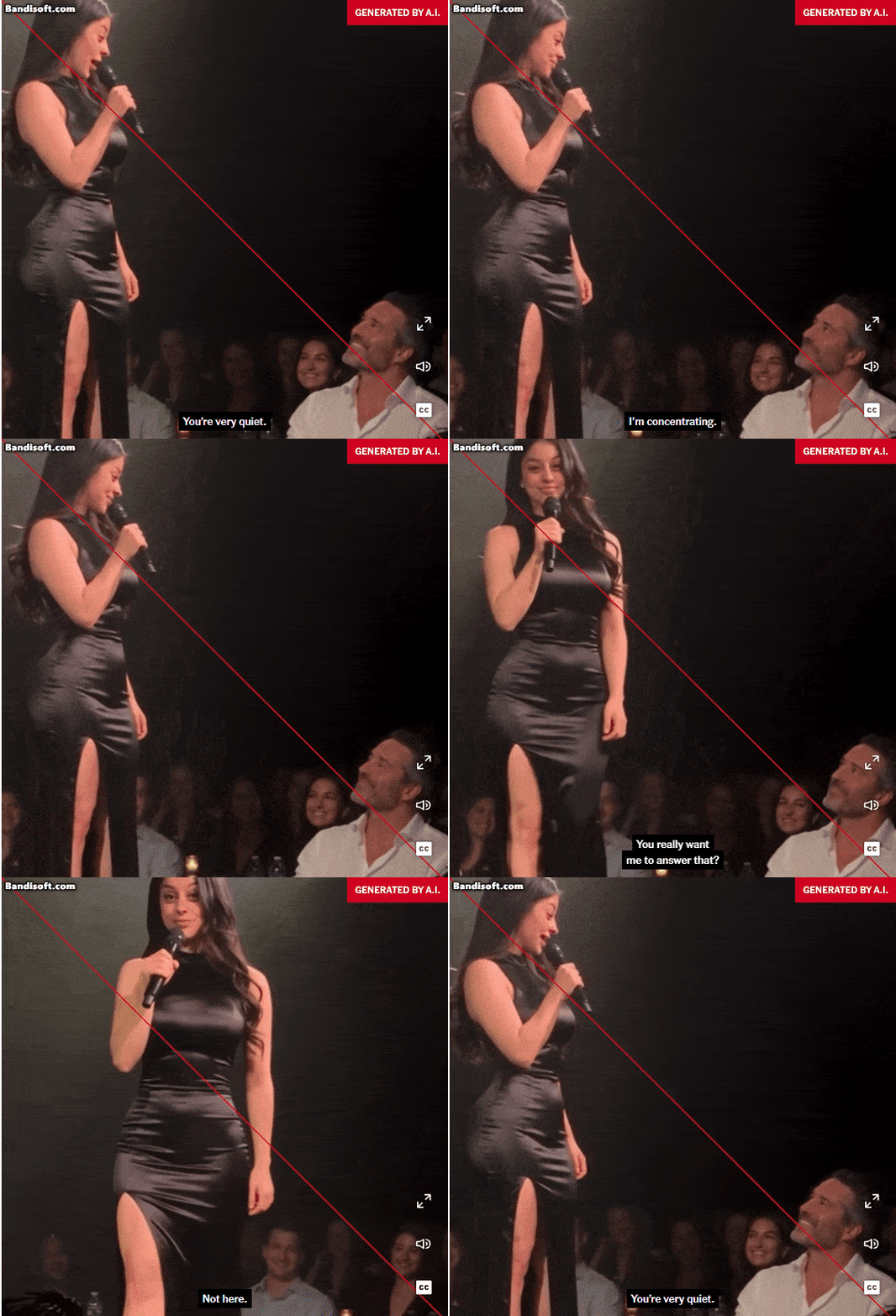
Some see AI as following Hollywood's long-standing formula of selling a reality enhanced by sexual appeal. The difference this time, however, is that tech companies have already reshaped the market to their advantage. As traditional broadcast networks have declined, young comedians have come to depend on social media for their livelihoods. It is an open secret in the industry that the most effective way to grow a following is to provoke outrage or emphasize sex appeal.
After seeing an AI video replicating one of her jokes outperform the original, Namer posted a video of her own. "I know the jokes I write are great," Namer said. "Turns out the problem was my chest."
The operators behind the fake comedian accounts remain unknown. Analysts say, however, that a bleak business logic underlies the strategy of stealing jokes from young female comedians. Social media's reward systems pushed real female comedians to post sexually charged material and images, and as a result a large stockpile of content was created that AI could easily appropriate. The broader implication for other industries, analysts note, is that tech companies can exploit human labor and then cut humans out of the production process once the quality of imitations is high enough.
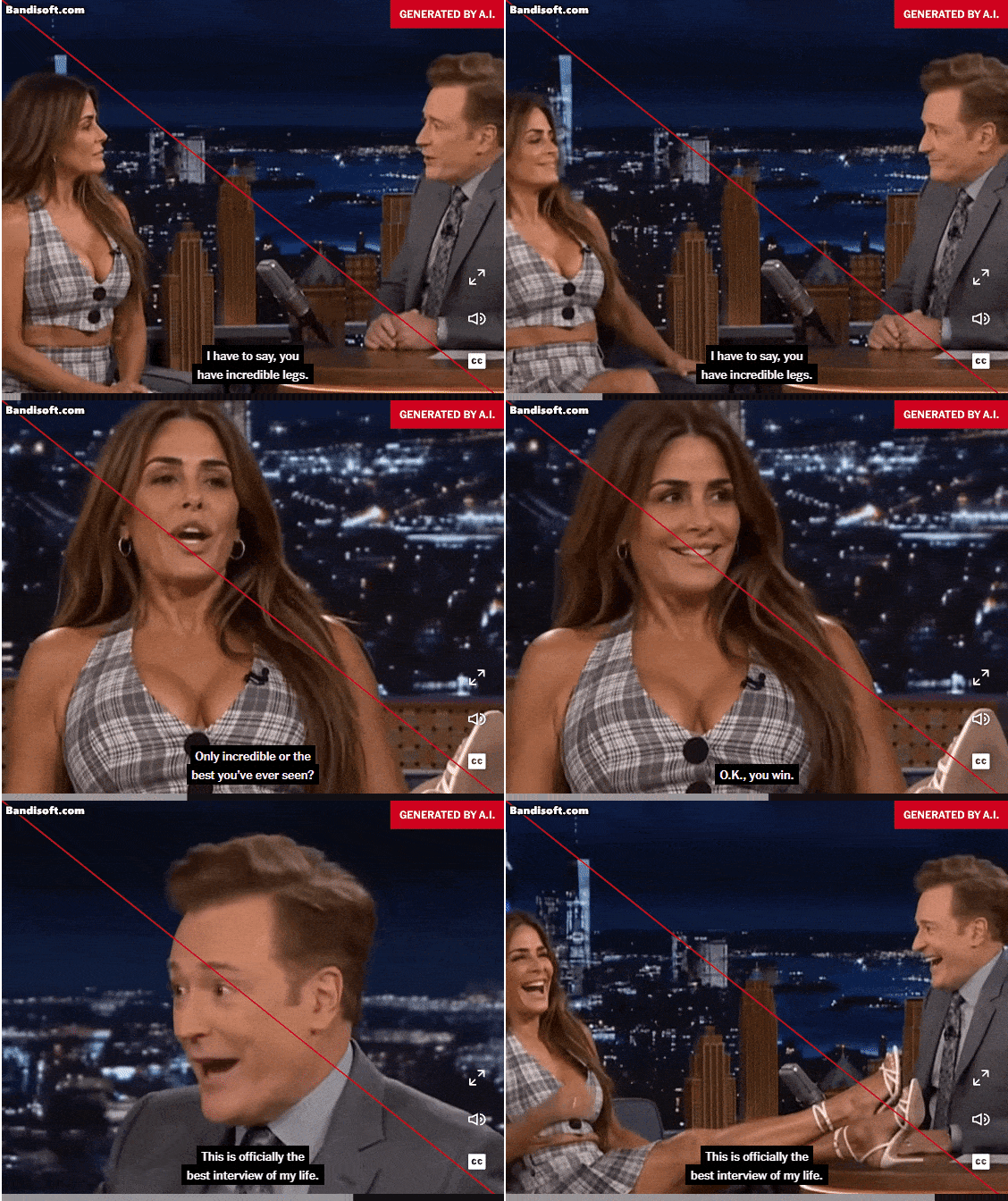
The damage shows signs of spreading to bigger names. Virtual comedians have recently moved beyond comedy club stages and begun appearing beside the desks of fabricated late-night talk show hosts.
The most serious concern is that AI could train audiences in what to expect and how to react. Audiences have traditionally looked for original ideas, tight construction and the perfectly timed punchline — but there are fears that viewers may lose not only the ability to distinguish quality but may become increasingly passive and easily manipulated.
In many fake comedian videos, not only the performer on stage but the audience in the seats is computer-generated as well. Pre-loaded laugh tracks prompt viewers to laugh along — and they work. Critics say AI is turning the inherently social nature of comedy against itself.
mokiya@heraldcorp.com




