
Technology developed over more than two years used without authorization
Stolen data used to fix quality issues with new supplier
First sanctions case involving intangible technical information
Auto parts maker Hansei Mobility has been sanctioned by the Korea Fair Trade Commission after it used a supplier's technology — developed over more than two years — without authorization and registered a patent under its own name.
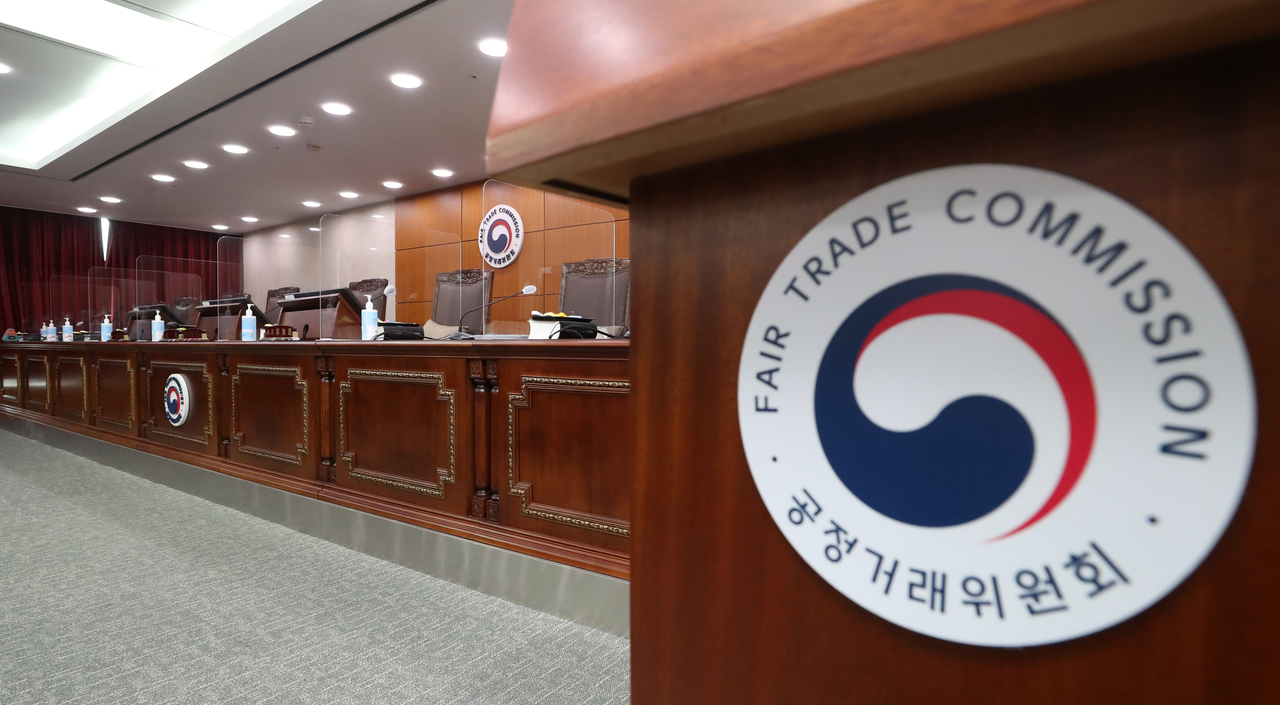
The Fair Trade Commission said Sunday it decided to issue a corrective order and impose a fine of 420 million won ($315,000) on Hansei Mobility for improperly using a subcontractor's technical information to file and register a patent.
Hansei Mobility manufactures drive shafts, which transmit engine power to a vehicle's wheels. The technology at issue involves the optimal core hardness value needed to strengthen a component called a tubular shaft, which is used inside drive shafts.
Core hardness measures how hard the center of a heat-treated metal component is, and is a critical factor in enabling auto parts to withstand high rotational speeds and torque.
Supplier K, an existing partner, had been commissioned by Hansei Mobility to develop the component and spent more than two years on the work. In the process, K submitted more than 1,600 heat-treated component samples and 28 inspection reports, and derived the optimal core hardness range for maximizing component strength based on accumulated development know-how. K managed that figure separately and kept it confidential.
Hansei Mobility, however, internally decided to diversify its supplier base — partly to reduce procurement costs — and ultimately switch suppliers. Without informing K, it signed a separate component development and manufacturing contract with another company, D.
The problem surfaced when samples submitted by D repeatedly failed to meet the required strength standards. To resolve the issue, Hansei Mobility compared and analyzed samples from both K and D, and identified core hardness as the key factor behind the difference in strength between the two suppliers' products.
When Hansei Mobility applied the difference identified from K's technical information to D's samples, the strength problem was resolved after just a single round of sample testing.
Hansei Mobility went further, reviewing heat-treatment inspection reports submitted by K and conducting destructive testing on samples to confirm the optimal core hardness range. Without consulting K, it filed a patent in February 2020 whose main content was a range of values in effect identical to K's figures, and registered the patent under its own name in July 2021.
Hansei Mobility said it had derived the figures through independent experimentation and analysis. The Fair Trade Commission rejected that claim, citing the fact that Hansei Mobility had never directly managed core hardness values during the development process and had cited K's sample test results verbatim in the invention disclosure filed for the patent application.
The commission determined that Hansei Mobility had used prototypes and inspection reports — provided for quality verification purposes — beyond their agreed scope to secure its own patent rights, in violation of the Subcontracting Act. It also took into account the risk that K, having had the technical information underpinning its competitiveness taken, could face disruption to future product development and business operations.
The case marks the first time sanctions have been imposed under the Subcontracting Act by recognizing intangible information — such as analytical findings and know-how extractable by analyzing and testing prototypes — as technical data, alongside tangible materials such as documents and drawings.
The commission said the case is significant in that it sanctioned a mid-sized company for reverse-engineering a small supplier's technical information without authorization and registering it as its own patent.
y2k@heraldcorp.com




