
Chinese cuisine master publishes first essay collection, 'On the Basics'
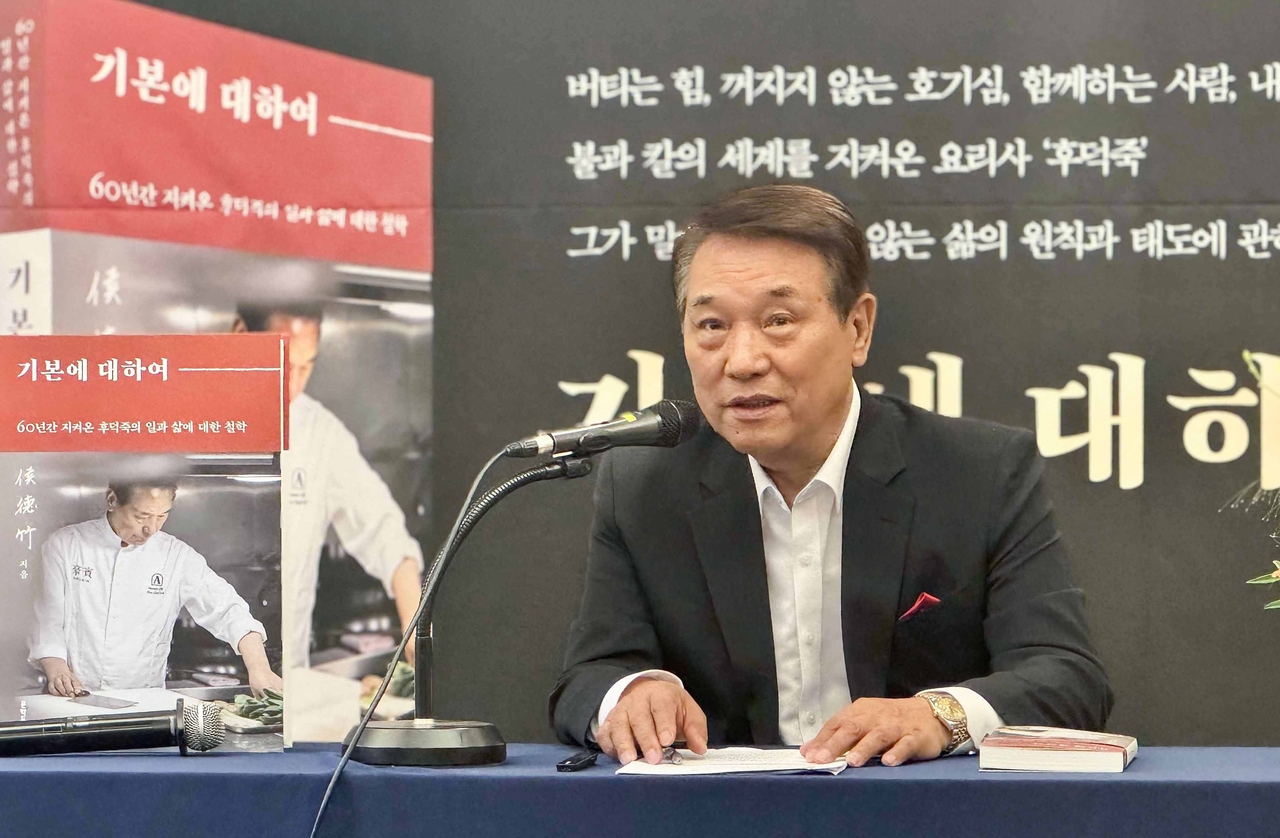
"Speed improves efficiency, but it cannot replace the basics. In fact, the faster things change, the more important it becomes to have an unshakeable standard and a solid foundation. … What matters more than racing ahead is moving forward consistently."
Hu Deok-juk, 77, a master of Korean Chinese cuisine who has spent nearly six decades in the kitchen, has published a first essay collection titled "On the Basics" (Munhakdongne), laying out the philosophy behind a life devoted to cooking. Rather than dazzling techniques or secrets to success, Hu emphasizes the power of fundamentals.
Hu entered the culinary profession in 1968 and has never left the kitchen since. Starting as the most junior cook, Hu rose to executive chef, and from a third-grade employee became the first chef-turned-senior executive at a major conglomerate — a self-made career by any measure. That path was one of growing into a specialist in a single field while steadily expanding a role within an organization.
The book revisits the reasons Hu was able to keep growing without stagnating over a long career in one field.
Throughout that career, Hu has held to four values: tenacity, direction, curiosity and people. The grit to endure hardship, a standard that keeps one on course without wavering, an openness to learning new things, and trust in the people one works alongside — these, Hu says, are what the basics really mean.
Particularly as both a chef and an organizational leader, Hu argues that sustaining the kind of cooking one believes in requires understanding the organization and delivering results. "Work done with a sense of responsibility becomes nourishment for each person's growth. For employees, it is only the sense of responsibility. The responsibility itself is mine to bear, as the leader" — a statement that speaks to what kind of leadership an organization needs in order to grow.
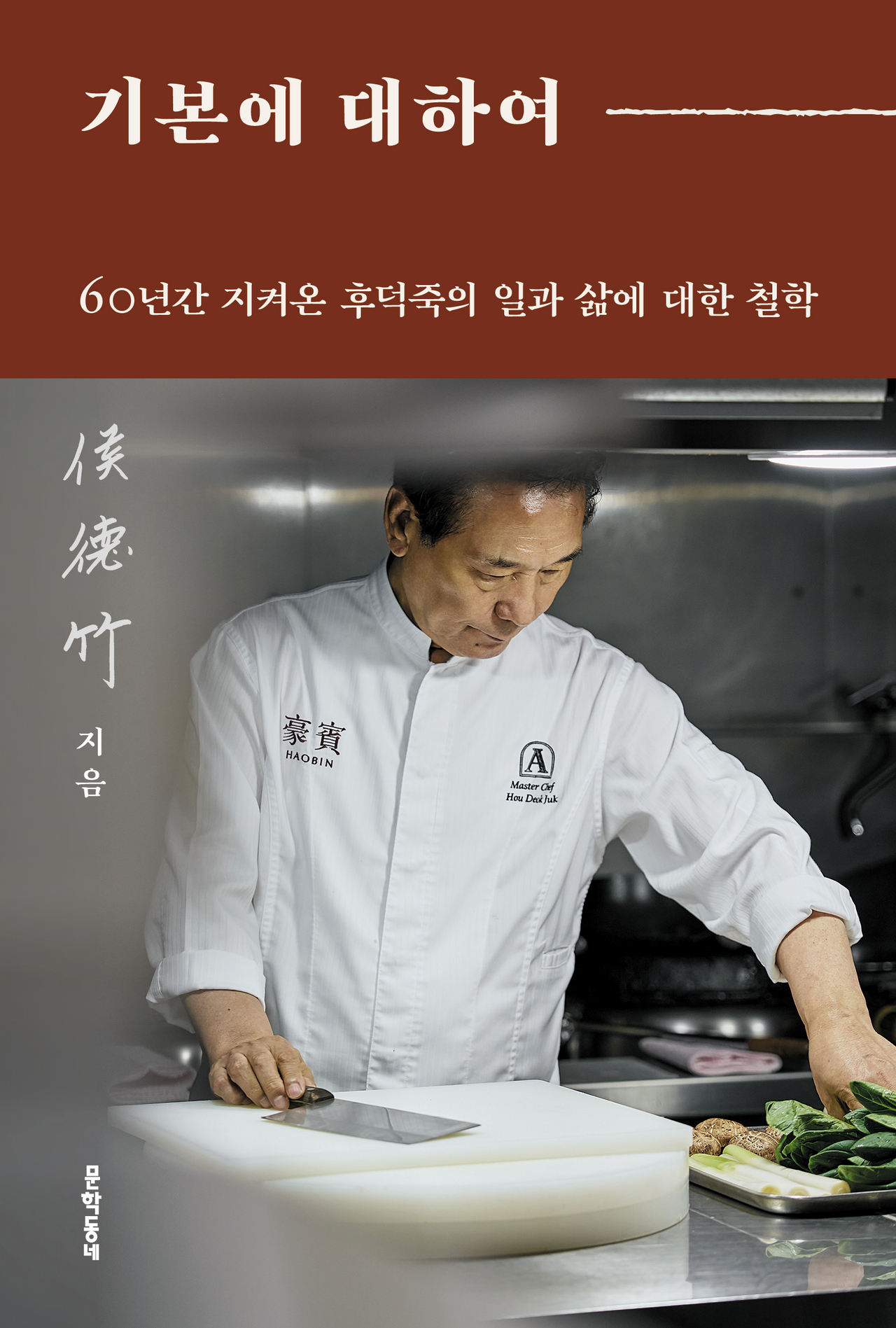
The reason Hu still refuses to leave the kitchen also comes down to people. Passing on accumulated skills and experience to younger cooks, and helping the next generation grow, is another driving purpose. "A sunbae is not someone with more experience or fame," Hu says. "The authority of a sunbae is something the younger generation creates. I am still in the process of becoming one."
Also striking is Hu's refusal to stop learning in a rapidly changing era. Rather than clinging to familiar methods, Hu believes one must take on unfamiliar approaches in order to keep pace with younger colleagues. That curiosity — a refusal to rest on a long career — is another force that has kept Hu on the kitchen floor to this day.
When Hu appeared on the Netflix reality program Culinary Class Wars 2, released in January, it was not only an impressive résumé on display. The ease that comes from decades of experience, and the way Hu treated younger chefs, left a strong impression on viewers.
"Ultimately, all that is needed is to keep going while enduring the passage of time."
The message from a veteran who has quietly walked a single path for decades is simple: daily diligence matters more than any special formula, and growth alongside others matters more than solitary achievement. The book offers the warm counsel of a sunbae to anyone wrestling with questions about work and life.
pink@heraldcorp.com


