
California's proposed 'billionaire tax' draws pushback from the ultra-rich — but some say the existing tax code needs fixing
Arnold calls for capital gains to be taxed like ordinary income; Cuban targets windfall profits; Bezos wants the bottom 50% exempt from federal income tax; Ackman takes aim at 'Buy, Borrow, Die'

California's push to impose a 5 percent tax on billionaire wealth has drawn a backlash from some of America's richest people. Yet even as they oppose a wealth tax, a number of billionaires are calling for changes to the existing tax code — either to raise the burden on the ultra-wealthy or to ease it on those at the bottom.
According to the Wall Street Journal on Thursday (local time), US billionaires across the political spectrum have lined up against California's Proposition 40, which would impose a one-time levy of 5 percent of net worth on billionaires who were California residents as of Jan. 1, 2026. Revenue raised would go primarily toward public health care support.
Billionaires argue that a wealth tax could drive wealthy individuals and entrepreneurs to other states, eroding California's long-term income tax base and economic competitiveness. Some say the priority should be cutting wasteful government spending and improving living conditions for those in need rather than creating new taxes. Still, a significant number say they support a more progressive tax overhaul — one where higher earners pay more.
Arnold: Tax capital gains at the same rate as ordinary income
John Arnold, 52, an energy investor, philanthropist and chairman of Arnold Ventures, said targeted adjustments to existing tax law could ensure that the ultra-wealthy pay their fair share — and help rein in the federal deficit and inflation.
The centerpiece of Arnold's proposal is aligning the long-term capital gains tax rate with the ordinary income tax rate. Under current US law, gains from assets such as shares held for an extended period are often taxed at a lower rate than wages. "Whether you earn it through labor, capital gains, interest or gifts, it should all be taxed at the same rate," Arnold said in an email. Arnold did propose, however, that the original cost basis of investment assets be adjusted for inflation so that only real gains are taxed accurately.
Arnold also argued that capital gains should be recognized and taxed not only when assets are sold but also when they are gifted or transferred at death — a move aimed at closing tax-avoidance strategies that some tax law scholars say have widened wealth inequality. Arnold added that tax breaks for sports team owners should be eliminated. Under current US law, owners can depreciate a large portion of a team's value as a business expense after an acquisition, reducing taxable income. "If you have $1 trillion, you should pay a portion of that in taxes, and that money should go back into public services," Arnold said.
Cuban: Give employees shares too — and tax windfall profits above $1 billion
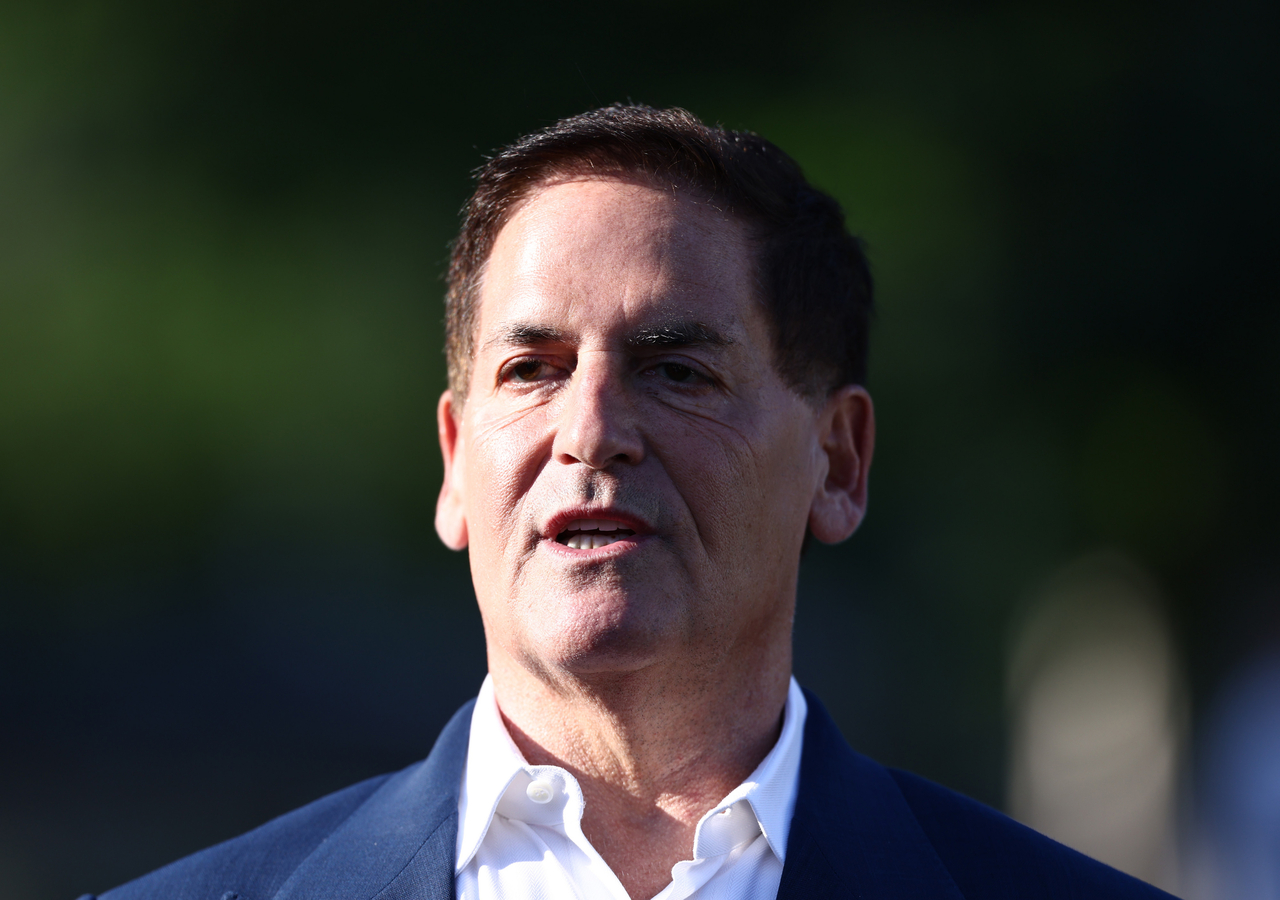
Billionaire entrepreneur Mark Cuban, 68, has been skeptical of a wealth tax, arguing it could dampen investment in startups and small and medium-sized enterprises.
Instead, Cuban proposed that companies be required to grant employees shares in proportion to the share of executive compensation paid in stock. Giving workers access to the stock market and a chance to build assets is, in Cuban's view, the surest path to wealth creation. Cuban, who said part of his compensation has been paid in stock since founding his first company in 1983, wrote in an email: "Without assets that can appreciate in value, people fall behind."
On tax policy, Cuban said the current 1 percent buyback tax rate should be raised, arguing that a higher rate would not significantly change corporate behavior. Cuban also called for an additional tax on one-time windfall profits exceeding $1 billion from a single transaction — citing his own sale of the NBA's Dallas Mavericks as a prime example. Such sales are already subject to capital gains tax, but Cuban argued that deals above a certain scale should carry a heavier tax burden. Cuban suggested the additional tax could be withheld before the sale proceeds are paid out, saying "that makes it less painful and doesn't change people's behavior."
Bezos: Eliminate federal income tax for the bottom 50% of earners
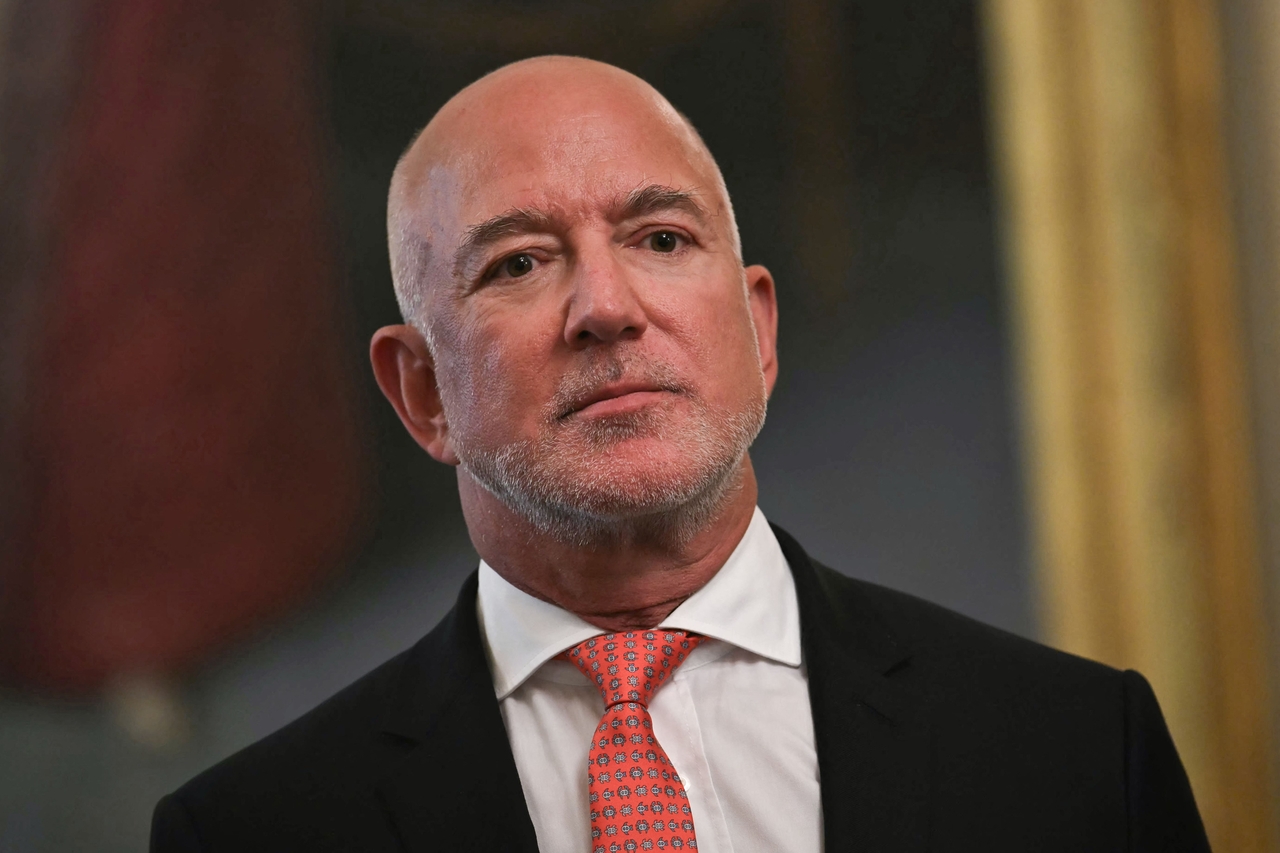
Amazon founder Jeff Bezos, 62, argued in a CNBC interview in May that the federal government should stop taxing the bottom 50 percent of earners. According to a Tax Foundation analysis of 2023 Internal Revenue Service data, that threshold corresponds to workers with an adjusted gross income of up to $53,801. Adjusted gross income — total income minus legally recognized deductions — is the basis for calculating US income tax liability. A large share of those in the bottom half already pay no federal income tax.
Bezos acknowledged that whether the ultra-wealthy, including Bezos, should pay more in taxes is a matter of debate. Even so, Bezos said that blaming billionaires and simply raising taxes on them would not do enough to help people in need.
Ackman: Close the loophole that lets the rich borrow against stock to avoid taxes
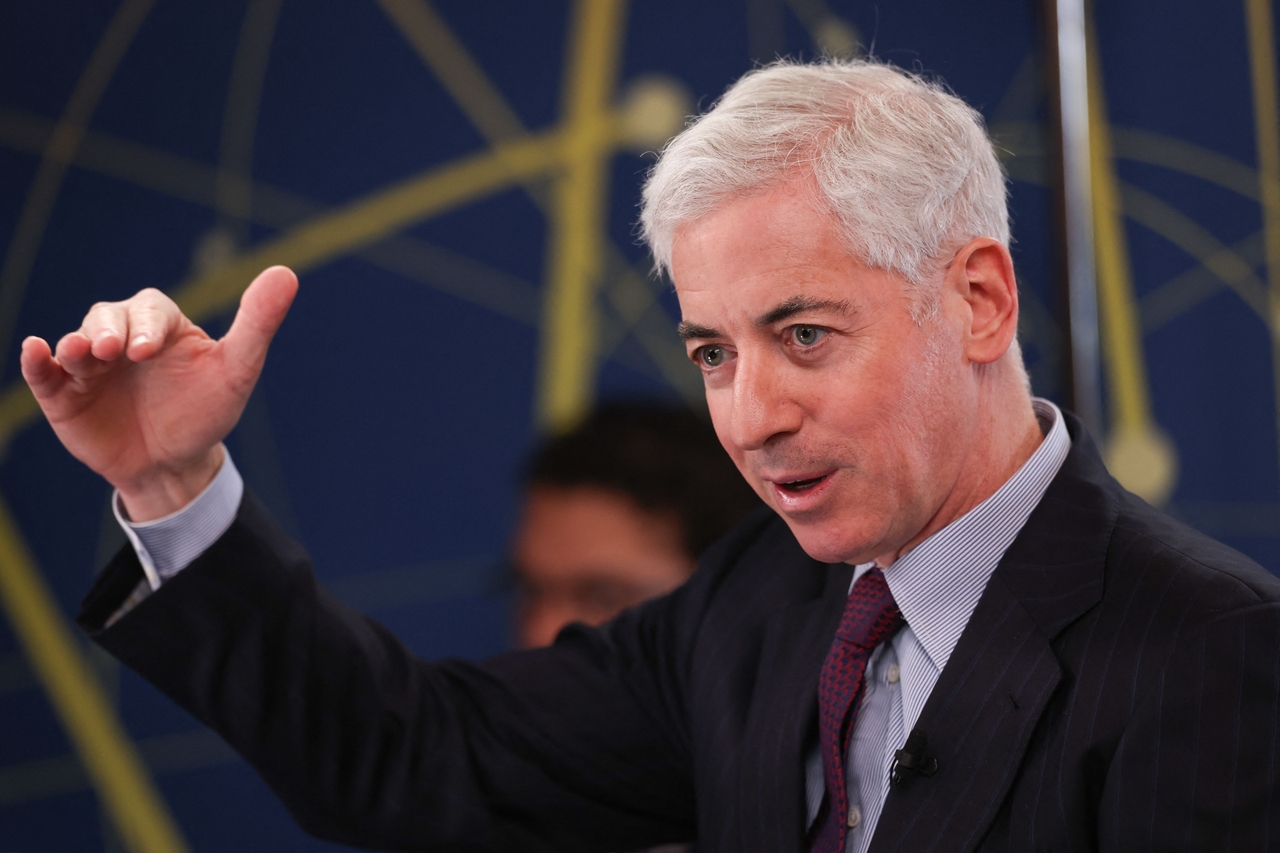
New York billionaire investor Bill Ackman is also critical of a wealth tax. But in a social media post last December, Ackman argued that the existing tax code needs to be fairer, taking aim at "Buy, Borrow, Die" — a tax-avoidance strategy widely used by the ultra-wealthy.
The strategy works as follows: buy assets, borrow against them as collateral, and hold them until death without ever selling. As long as assets such as shares are never sold, no capital gains tax is owed regardless of how much they appreciate. The wealthy use asset-backed loans to cover living expenses and fund investments instead of selling holdings — and since loan proceeds are generally not classified as income, they are not subject to income tax either. Heirs can then use stepped-up basis rules and similar provisions to avoid capital gains tax on appreciation that occurred during the deceased's lifetime.
Ackman argued that long-term asset-backed loans of this kind should be subject to some form of taxation. Specifically, for personal loans that are not short-term, Ackman proposed taxing the portion of the loan that exceeds the original cost basis of the collateral — a measure aimed at curbing the practice of using asset-backed borrowing to indefinitely defer capital gains tax.
mokiya@heraldcorp.com




