
DeepSeek, Moonshot AI suspected of distilling GPT-6 Astra
Chinese firms said to have shifted targets after Anthropic tightened security
Anthropic blocks up to 99% of extraction attempts
OpenAI says it is taking the matter 'very seriously'
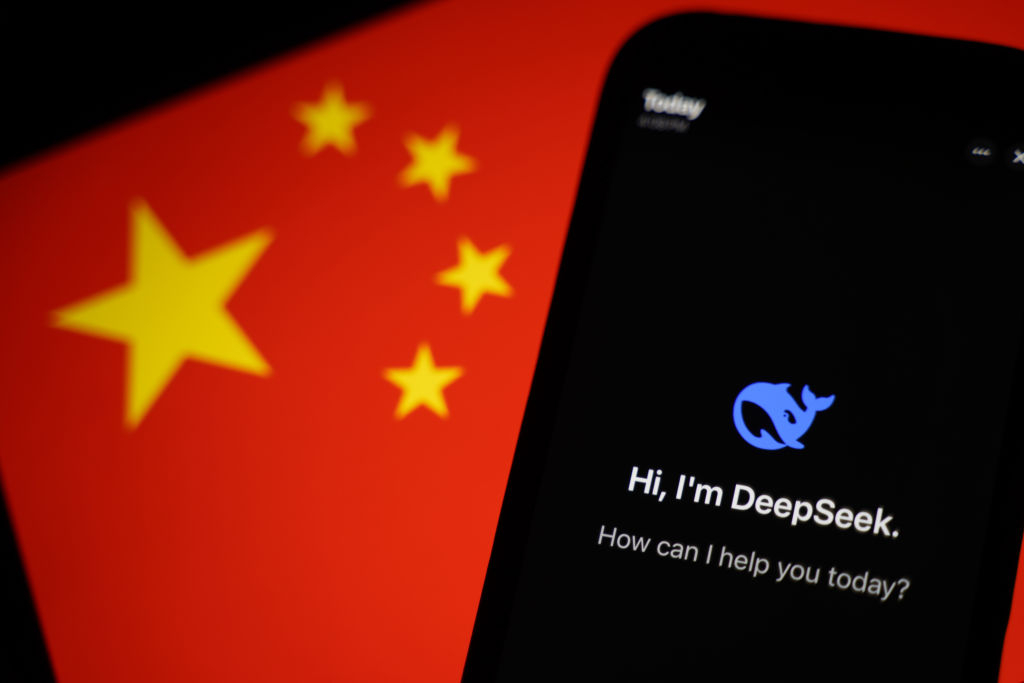
Chinese AI companies DeepSeek and Moonshot AI are suspected of using OpenAI's latest model, GPT-6 Astra, without authorization to develop their own AI models. Analysts say the Chinese firms, which had long targeted Anthropic's Claude, shifted their focus to OpenAI after Anthropic strengthened its security measures.
The Information, a US technology publication, reported Wednesday (local time), citing multiple sources, that GPT-6 Astra — released last September — has recently become a primary target of so-called distillation attacks by Chinese AI companies.
Distillation is a technique in which responses from a high-performance AI model are used as training data to develop a smaller, more efficient model. The approach is widely used in the industry because it reduces the time and cost of AI development.
However, extracting a competitor's model performance and reasoning methods without permission has drawn controversy.
A so-called distillation attack works by using proxy services and tens of thousands of fake accounts to bombard a target AI model with systematic, repeated queries. The goal is to reverse-engineer the model's reasoning patterns and performance for use in developing a rival AI system.
According to The Information, Moonshot AI distilled OpenAI's Astra model during the development of "Kimi K3.1 Pro," which the company released last week.
DeepSeek is also said to have used Astra distillation to improve the performance of its "V4.1-Flash 1017" model, released Oct. 17.
Anthropic's tightened security is seen as the key reason Chinese AI companies turned their attention to OpenAI.
Sources told The Information that Chinese AI firms had until recently focused primarily on distilling Anthropic's Claude, but shifted to OpenAI's models — which were relatively easier to access — after Anthropic moved aggressively to block extraction attempts.
Anthropic introduced new security measures earlier this month that restrict outside access to Claude's reasoning process.
According to Anthropic, the volume of reasoning tokens extracted externally fell to between one-tenth and one-hundredth of previous levels after the security upgrade — a reduction of up to 99 percent.
Anthropic said it improved its systems to make it harder for attackers to repeatedly probe Claude's reasoning process, and identified and permanently banned tens of thousands of malicious accounts linked to distillation attacks.
Both OpenAI and Anthropic have repeatedly accused DeepSeek, Moonshot AI and other Chinese developers of distilling their AI models without permission.
Both companies use distillation themselves — to build smaller, faster and cheaper models while preserving the performance of their larger AI systems.
They prohibit outside parties from distilling their models without authorization, however, and neither makes its AI models available in the Chinese market.
OpenAI said it is treating the latest allegations seriously. "The company takes this issue very seriously and continues to work to address it," a spokesperson said.
sjy@heraldcorp.com




